Choosing the Right Animal Clinic for All Your Animals
Choosing the Right Animal Clinic for All Your Animals
Finding an animal clinic that can meet the diverse needs of your dogs, cats, livestock, and horses is a priority for many families, producers, and equestrians in Gilbert, Iowa and surrounding communities. Whether you are managing a busy household, a small farm, or a mixed group of animals, you want a veterinary team that offers expert, compassionate care for every member of your animal family. At Companion Animal Clinic, located at 143 Dunn Street, Gilbert, IA 50105, we understand how important it is to choose an animal clinic that provides comprehensive services under one roof. This blog will guide you through what to look for in a full-service clinic, how to recognize when your animals need veterinary attention, and how to keep your entire animal family healthy this fall and beyond.
We will explore the signs your animals might show when they need care, the background on why mixed-animal expertise matters, what treatments and services to expect from a true mixed-animal practice, and practical steps you can take at home or on the farm to support animal wellness. If you are searching for an animal clinic in Gilbert that can care for both your pets and livestock, read on to discover what sets a trusted mixed-animal practice apart.
How to Recognize When Your Animals Need Veterinary Attention
Whether you have a house full of pets, a herd of cattle, a small flock of sheep, or a beloved horse in the pasture, knowing when to seek help from an animal clinic is crucial. Pay close attention to changes in behavior, appetite, or appearance across all your animals. For dogs and cats, symptoms such as persistent vomiting, diarrhea, coughing, sneezing, limping, or unexplained weight loss are signs that a visit to the veterinary team is needed. Additionally, things like bad breath, difficulty eating, or visible tartar can point to dental problems that require professional attention.
For livestock and horses, early warning signs often include decreased feed intake, isolation from the rest of the herd or flock, coughing, nasal discharge, lameness, abnormal manure, or changes in body condition. Seasonal issues, such as respiratory concerns during dusty harvests or digestive disturbances with fall pasture changes, are also common in the Gilbert area. Horses may show signs like reluctance to move, changes in gait, or discomfort during grooming, which can indicate lameness or hoof issues.
When multiple animals are cared for on the same property, vigilance is especially important. Watch for patterns, such as several animals developing similar symptoms, which could suggest contagious disease and require prompt attention from a veterinary team with mixed-animal experience.
Why Mixed-Animal Expertise Matters in Your Animal Clinic
Choosing an animal clinic with mixed-animal capabilities is essential for families, producers, and horse owners who value comprehensive care. Mixed-animal practices are uniquely equipped to address the full range of health concerns for pets, livestock, and horses. At Companion Animal Clinic, our veterinary team has years of experience treating dogs, cats, cattle, sheep, goats, horses, and even the occasional deer or exotic pocket pet. This broad expertise means you can rely on the same trusted clinic for routine preventive care, complex diagnostics, and both medical and surgical treatments across species.
Mixed-animal clinics also understand the interconnected nature of animal health on your property. For example, parasites or infectious diseases can sometimes move between species, especially in rural settings. A veterinary team with experience in both companion and farm animals is better prepared to recognize these patterns, recommend effective biosecurity measures, and guide you on best practices to keep all your animals safe.
Additionally, clinics like Companion Animal Clinic are equipped with advanced diagnostic tools. Options such as diagnostic laboratory services, digital radiology, and veterinary ultrasound support accurate diagnoses for everything from pet illnesses to herd health challenges and equine injuries. This level of technology, combined with multi-species knowledge, results in efficient and effective care.
What to Expect from a Full-Service Animal Clinic
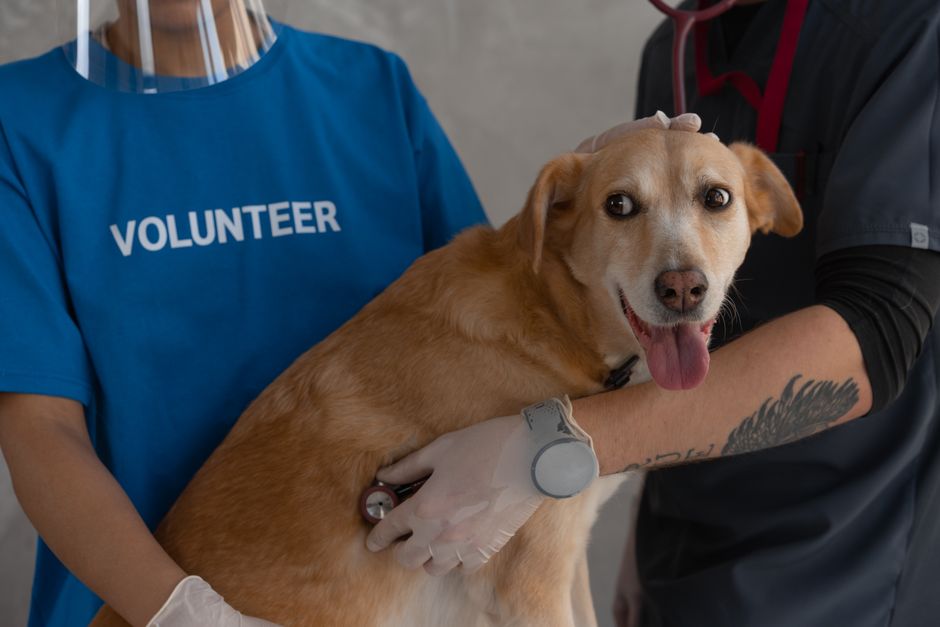
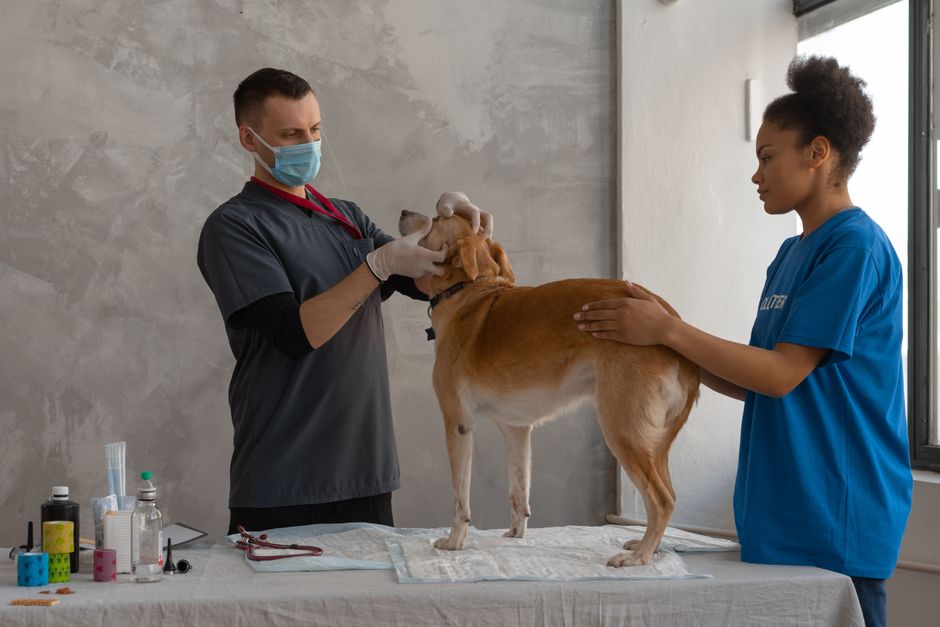
When you choose a full-service animal clinic, you gain access to a wide range of veterinary services tailored to your animals' diverse needs. For companion animals, services often include comprehensive pet exams, vaccinations, dental care, surgery, internal medicine, dermatology, and senior care. These services help keep your dogs and cats healthy from puppy or kittenhood through their senior years.
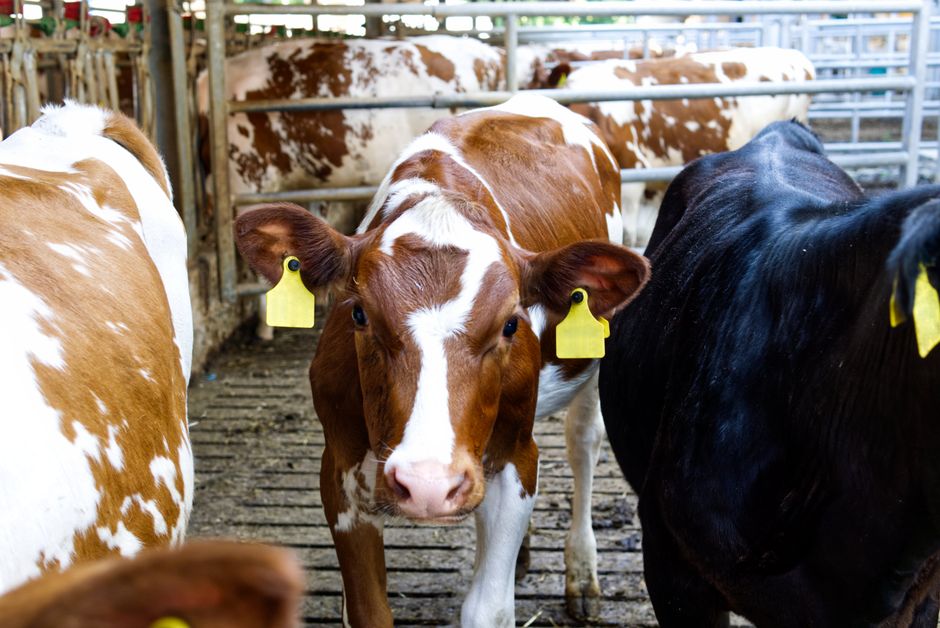
For livestock and horses, a full-service clinic offers herd health checks, soundness examinations, reproductive services, lameness evaluations, and guidance on nutrition and parasite control. The veterinary team can assist with calving or lambing season, provide preventive vaccinations, and respond to acute illnesses or injuries that affect your operation's productivity and animal welfare.
Access to internal medicine expertise is also vital, as it allows for the management of chronic conditions, complex cases, and tricky diagnoses across different species. In-house diagnostics and imaging, such as digital radiology, give the veterinary team the tools needed to quickly identify problems, whether it’s a dog with a persistent cough or a cow showing signs of bloat.
Surgical capabilities are another hallmark of a full-service clinic. From spay and neuter procedures to mass removals, wound repairs, and even orthopedic surgeries, having these services available locally means less stress and travel for both animals and their owners or producers.
Home and Farm Strategies for Animal Wellness
Keeping your animal family healthy starts at home and on the farm. For pet owners, routine steps such as feeding a balanced diet, maintaining dental hygiene, providing regular exercise, and staying up to date with wellness examinations are all important. Monitor your pet’s weight, behavior, and appetite, and make note of any changes that should be discussed with your veterinary team.
For producers and horse owners, proactive management can include monitoring body condition scores, ensuring access to fresh water, rotating pastures to manage parasite loads, and providing appropriate shelter as temperatures drop in the fall. Regular hoof care for horses, timely vaccinations for livestock, and careful observation during high-risk periods such as calving or weaning are all essential.
Biosecurity protocols are especially important in mixed-animal environments. Steps such as quarantining new arrivals, using separate equipment for different species, and maintaining good sanitation help reduce the risk of disease transmission. Communication with your veterinary team about seasonal risks, emerging diseases, or herd health concerns will further strengthen your operation’s wellness plan.
When to Schedule an Appointment at Your Animal Clinic
Knowing when home or farm management is not enough and professional care is required can make a critical difference. Seek prompt veterinary guidance if your pet is experiencing persistent vomiting or diarrhea, difficulty breathing, sudden changes in appetite or drinking, unproductive coughing, or any signs of pain. For livestock and horses, conditions such as lameness, calving difficulties, sudden drops in milk production, or outbreaks of illness affecting multiple animals are all reasons to call your animal clinic right away.
Routine wellness care is equally important. Annual or biannual exams, dental checkups, and timely vaccinations help catch issues early and keep all your animals healthy. If you have questions about which services are appropriate for your species, the veterinary team at Companion Animal Clinic can help you develop a care plan that fits your unique needs.
The Importance of Local, Compassionate Mixed-Animal Care
Choosing a local animal clinic with a reputation for compassionate, knowledgeable care ensures your animals receive the attention they deserve. The veterinary team at Companion Animal Clinic has been serving Gilbert and surrounding communities for over two decades, earning the trust of pet owners, producers, and horse owners alike. Our commitment to ongoing education, advanced diagnostics, and genuine partnership with clients means you benefit from both expertise and empathy, whether your animals live in the house, the barn, or the pasture.
If you are seeking a veterinarian near me who understands the unique challenges and joys of caring for a mixed group of animals, look for a practice that offers both advanced services and a welcoming, community-focused approach. Your animal clinic should be a resource you can rely on for everything from routine health checks to urgent care needs.
Ready to Experience the Difference? Contact Companion Animal Clinic Today
Keeping your dogs, cats, livestock, and horses healthy is a team effort, and choosing the right animal clinic is a crucial step. At Companion Animal Clinic, our veterinary team is dedicated to serving every member of your animal family with comprehensive, compassionate care. To learn more about our full range of services, including advanced diagnostic laboratory services, internal medicine expertise, and comprehensive pet exams, visit us at 143 Dunn Street, Gilbert, IA 50105 or call (515) 233-6689 to schedule an appointment.
Whether you have a beloved companion animal, a herd of cattle, or a performance horse, our veterinary team is here to help you provide the best possible care. If you have been searching for an animal clinic in Gilbert or want to connect with a veterinarian near me who truly understands mixed-animal care, we invite you to reach out today. Your animals are our priority, and we look forward to supporting their health for years to come.
This blog is intended for informational purposes only and does not replace professional veterinary advice. If your animal is experiencing an emergency or you have concerns about their health, please contact your veterinary team promptly.