Managing Hoof Health for Cattle in Wet Iowa Weather
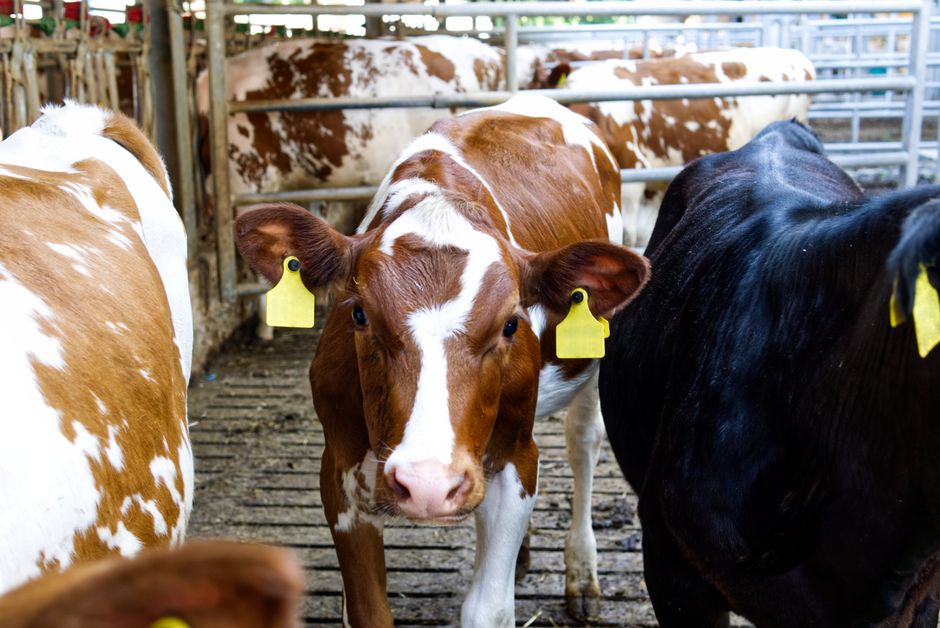
Managing Hoof Health for Cattle in Wet Iowa Weather
As September brings increased rainfall to Gilbert, Iowa, local producers know that wet weather can spell trouble for their herds—especially when it comes to hoof health. Managing hoof problems in cattle during damp fall conditions is a crucial part of maintaining herd productivity and animal welfare. At Companion Animal Clinic, located at 143 Dunn Street, Gilbert, IA 50105, our veterinary team is committed to helping area producers keep their cattle on solid footing all year long. In this post, we will discuss the most common hoof issues that arise during wet Iowa weather, how to spot early signs of lameness, preventive strategies tailored to our region, and guidance on when to seek veterinary support. Whether you run a large commercial operation or manage a small family herd, understanding hoof health is essential for your cattle’s comfort and your operation’s bottom line.
Recognizing Hoof Problems in Wet Weather
When pastures and lots become muddy after heavy rainfall, hoof issues can develop quickly in cattle. Lameness affects mobility, feed intake, and ultimately, herd productivity. Producers should be vigilant for key warning signs that indicate hoof problems may be developing. Look for cattle that are reluctant to move, lag behind the group, or spend more time lying down than usual. An uneven gait, frequent shifting of weight from limb to limb, or visible swelling around the hooves are additional clues. Pay attention to cattle that hesitate at the chute or are more difficult to move during routine handling, as discomfort often shows up in subtle changes to their behavior. In severe cases, you may notice a foul odor, discharge, or obvious wounds around the feet—these are signs that immediate intervention is needed. Early detection allows for prompt treatment, minimizing both animal suffering and economic loss.
Why Wet Conditions Lead to Hoof Issues
Understanding the factors that contribute to hoof problems in wet weather helps producers take proactive steps. Prolonged moisture softens the hoof horn, making it more susceptible to damage from rocks, debris, or uneven ground. Mud and standing water promote the growth of bacteria and fungi, which can invade small cracks or abrasions in the hoof. Common conditions such as foot rot, digital dermatitis, and sole ulcers are all more prevalent during extended wet spells. Foot rot, for instance, typically begins when Fusobacterium necrophorum enters through damaged skin between the toes. Digital dermatitis, also known as “hairy heel warts,” thrives in muddy environments and can quickly spread through the herd. Excessive moisture also undermines hoof integrity, sometimes leading to sole abscesses or separation of the hoof wall. These problems are not just painful for cattle; they can significantly reduce weight gain, milk production, and reproductive performance—directly impacting your operation’s profitability.
Treatment Approaches for Hoof Health Problems
If you notice lameness or other hoof issues in your herd, timely and effective treatment is essential. For mild cases of sole bruising or superficial cracks, moving affected cattle to dry ground and monitoring for improvement may be sufficient. However, conditions such as foot rot or digital dermatitis require more targeted intervention. Foot rot often responds well to systemic antibiotics prescribed by your veterinarian, along with gentle cleaning and debridement of the affected area. Digital dermatitis may be managed with topical treatments or footbaths containing medicated solutions, though individual animal care is sometimes needed for advanced lesions. In some cases, hoof trimming or corrective care is necessary to remove damaged tissue and promote healing. Severe infections, deep abscesses, or injuries that fail to resolve with basic care should be evaluated promptly by a veterinary professional. Our team at Companion Animal Clinic has the expertise and diagnostic capabilities to properly assess and treat a wide range of hoof and lameness issues, ensuring the best possible outcome for your cattle.
Preventing Hoof Problems in Wet Fall Conditions
Prevention is always preferable to treatment, especially when it comes to hoof health. As fall rains turn Iowa pastures into muddy stretches, there are several practical steps producers can take. Start by providing high, well-drained areas where cattle can rest and feed; this reduces prolonged exposure to wet ground. Rotating pastures and managing stocking density helps limit trampling and reduces mud accumulation. Regularly inspecting and maintaining walkways, feeding sites, and handling areas can minimize sharp objects or rough surfaces that might injure hooves. Timely removal of manure and organic debris from high-traffic zones further decreases the risk of infectious hoof diseases. Footbaths with appropriate disinfectants can be effective, particularly in operations with a history of digital dermatitis; consult your veterinarian for recommendations on solutions and protocols. Incorporate routine hoof evaluations into your herd health program—catching minor issues before they become major problems. Good nutrition also supports hoof resilience, so ensure your cattle receive balanced rations with adequate minerals and vitamins.
When to Call Your Veterinarian
Prompt veterinary attention can make all the difference when managing hoof health in your herd. If you notice persistent lameness, swelling, wounds that do not heal, or signs of severe pain, it is time to contact a veterinary professional. Do not wait for the problem to escalate; early intervention can prevent secondary complications and limit the spread of contagious conditions. Producers should also reach out if they observe multiple animals with similar signs, as this may indicate a herd-level outbreak requiring a coordinated response. Our veterinary team at Companion Animal Clinic in Gilbert, Iowa is equipped to provide thorough hoof exams, diagnostic testing, and treatment plans tailored to your operation’s needs. We also offer advice on long-term prevention strategies that suit your specific facilities and management style. Remember, maintaining regular communication with your veterinarian keeps your herd healthier and more productive throughout every season.
Keeping Your Herd Thriving Through Iowa’s Wet Fall
As autumn rains settle in across Gilbert and the surrounding communities, safeguarding the hoof health of your cattle becomes a top priority. By staying alert for early signs of lameness, understanding the risks posed by wet weather, and implementing sound management practices, you can help your herd remain active, comfortable, and productive. Should problems arise, our veterinary professionals at Companion Animal Clinic are here to support local producers with expert diagnosis, treatment, and preventive care. To schedule a herd health evaluation or discuss your specific concerns, call us at (515) 233-6689, or visit us at 143 Dunn Street, Gilbert, IA 50105. If you are searching for a "farm vet near me" in Gilbert, our experienced veterinary team is ready to assist you and your livestock. Your operation’s success depends on healthy, sound cattle—let us help you keep them moving forward, rain or shine.
This information is intended for educational purposes only and should not replace professional veterinary advice. For specific questions about your herd, please consult your veterinarian.