Preventing Summer Heat Stress in Iowa Livestock
Preventing Summer Heat Stress in Iowa Livestock
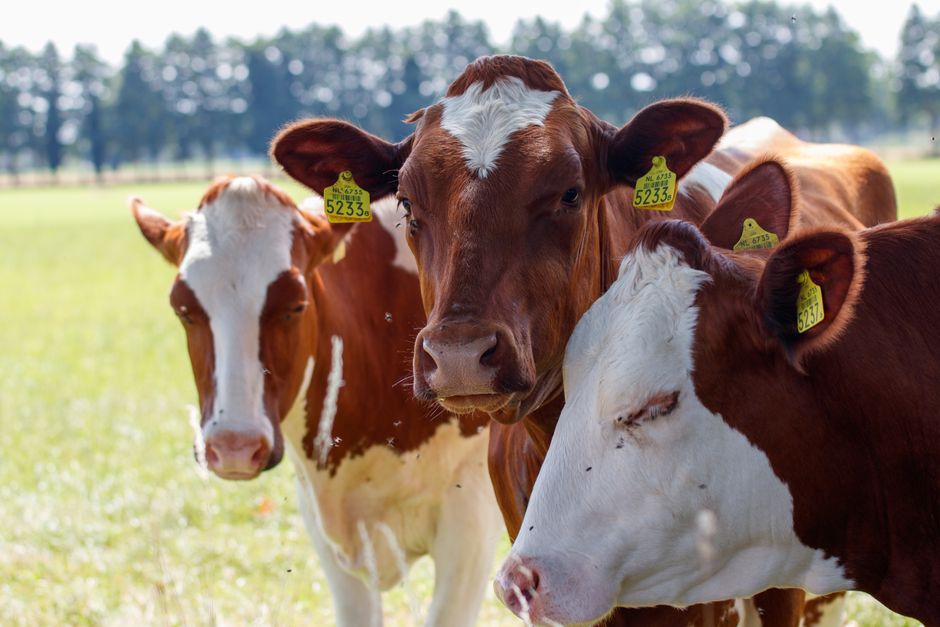
When July’s humidity settles over central Iowa, producers know that summer heat can quickly become more than just a discomfort for livestock. Cattle, sheep, and goats are at particular risk for heat stress during these sweltering months, which can threaten both animal wellbeing and your operation’s productivity. At Companion Animal Clinic, located at 143 Dunn Street, Gilbert, IA 50105, our veterinary team is committed to helping local producers safeguard their herds and flocks throughout the hottest weeks of the year. In this guide, we’ll cover the warning signs of heat stress in livestock, explain why it occurs, discuss effective treatment strategies, and share practical, Iowa-tested prevention tips to keep your animals healthy all summer long. Whether you oversee a small flock of sheep or a large herd of cattle, understanding heat stress is vital for maintaining animal health and operational success.
Recognizing Heat Stress in Cattle, Sheep, and Goats
Early detection of heat stress can make all the difference for your livestock during an Iowa heat wave. Animals often show subtle changes before more serious symptoms develop, so it’s important to observe your herd closely on hot days. Key warning signs in cattle, sheep, and goats include increased respiratory rate, open-mouth or labored breathing, excessive drooling, and a tendency to gather in the shade or crowd around water sources. You may also notice animals standing rather than lying down, reduced feed intake, and agitation or restlessness. In more severe cases, affected animals can display weakness, muscle tremors, staggering, and even collapse. For lactating cows or does, a sudden drop in milk production may be the first sign that heat stress is taking a toll. If you notice any of these concerns in your herd, prompt intervention is essential to prevent irreversible harm.
Understanding the Causes of Heat Stress in Iowa Livestock
Heat stress develops when livestock are unable to dissipate body heat effectively, leading to a dangerous rise in core body temperature. Iowa’s combination of high temperatures and humidity during the summer hampers the natural cooling mechanisms of cattle, sheep, and goats. Unlike humans, these animals do not sweat efficiently; instead, they rely on respiration and seeking shade to manage heat load. Risk factors that contribute to heat stress include high daytime temperatures, poor air movement, overcrowded conditions, lack of shade, and limited access to cool, clean water. Dark-coated breeds, animals with heavy body condition, and those with thick fleeces or long hair are particularly vulnerable. Additionally, routine handling practices such as moving, sorting, or transporting animals should be minimized during the hottest parts of the day, as any added stress or exertion increases the likelihood of heat-related illness.
Veterinary Treatment and Management of Heat Stress
When heat stress is suspected, rapid intervention is critical. The first step is to move affected animals to a shaded, well-ventilated area with ample access to cool water. Gently spraying cattle or sheep with cool water (not ice-cold) can help lower body temperature, but care should be taken to avoid chilling, especially in young or debilitated animals. In severe cases, immediate veterinary attention is necessary. Our veterinary team at Companion Animal Clinic is trained to provide supportive care, which may involve intravenous fluids to combat dehydration, electrolyte supplementation, and monitoring for complications like pneumonia or metabolic disorders. For cases involving multiple animals or large groups, our veterinarians can assist with herd-level assessment and recommend management adjustments to reduce the risk of ongoing losses. If you are concerned about the health of your herd during a heat event, scheduling a wellness examination can help identify animals at risk and allow for early intervention.
Preventing Heat Stress: Practical Strategies for Iowa Producers
Prevention is always preferable to treatment when it comes to heat stress. There are several practical steps producers can take to protect cattle, sheep, and goats during central Iowa’s hottest months. Ensuring continuous access to cool, clean water is paramount; high-producing animals can double their water intake on hot days, so checking tanks and troughs regularly is essential. Providing adequate shade, whether from trees, constructed shelters, or shade cloths, allows animals to escape direct sun. Improving airflow in barns or sheds with fans or natural ventilation can make a significant difference, especially for confined animals. Adjusting handling and transportation schedules to early morning or evening, when temperatures are lower, helps reduce additional stress. For sheep, timely shearing before the hottest months removes insulating wool and aids in heat dissipation. Monitoring stocking density to avoid overcrowding, and moving mineral or feed sources to shaded areas, encourages animals to eat and drink without added heat load. By implementing these strategies, producers can significantly decrease the risk of heat-related illness and improve overall herd productivity.
When to Consult a Veterinarian About Heat Stress
Knowing when to call for veterinary help is crucial in preventing losses during a heat wave. If you observe persistent signs such as rapid breathing, weakness, reluctance to rise, or unresponsiveness to cooling measures, immediate veterinary assessment is recommended. Outbreaks affecting multiple animals, sudden drops in milk production, or unexplained deaths in the herd should also prompt a call to your veterinary professionals. The team at Companion Animal Clinic can provide on-site evaluations, recommend tailored management changes, and offer guidance on rehydration and supportive therapies. Early intervention not only saves animal lives but also protects the long-term productivity of your operation. For more information about our comprehensive internal medicine services for livestock, visit our website or reach out directly for guidance.
Supporting Producer Success in Gilbert and Surrounding Iowa Communities
As a mixed animal practice rooted in the Gilbert area for over 20 years, Companion Animal Clinic understands the unique challenges faced by producers in central Iowa. Our veterinary team is here to support you with preventive health programs, timely advice, and comprehensive care for your cattle, sheep, and goats. If you have questions about heat stress prevention, need to schedule a wellness check, or want to review your summer management plan, we encourage you to contact our clinic at (515) 233-6689 or stop by 143 Dunn Street, Gilbert, IA 50105. When searching for a veterinarian near me who understands both companion animals and livestock, trust our experienced professionals to keep your operation running smoothly through every season. We look forward to helping you safeguard the health and productivity of your herd, flock, and animals for many summers to come.
This article is intended for informational purposes only and does not substitute for professional veterinary advice. Always consult your veterinarian for specific concerns about your animals’ health.