Spotting Heart Disease in Pets: Signs Iowa Owners Should Know

Spotting Heart Disease in Pets: Signs Iowa Owners Should Know
Heart disease is not just a human concern; it can also affect our beloved dogs and cats right here in Gilbert and the surrounding communities. February is recognized as American Heart Month, making it the perfect time to focus on your pet’s heart health and learn how to recognize the early signs of heart trouble. At Companion Animal Clinic, located at 143 Dunn Street, Gilbert, IA 50105, our veterinary team is dedicated to helping local pet owners stay informed and proactive. This blog will guide you through common symptoms of heart disease in pets, discuss which animals are most at risk in Iowa, outline available diagnostic and treatment options, and share ways you can help protect your furry family member’s heart. If you are concerned about your pet’s heart or overall health, you can always schedule an appointment with our knowledgeable veterinarians to get answers and peace of mind.
Recognizing the Early Signs of Heart Disease in Dogs and Cats
Knowing what to look for can be the key to catching heart disease before it progresses. The symptoms of heart disease in pets may develop slowly and can sometimes be subtle, especially in the early stages. Common warning signs include persistent coughing, especially at night or after exercise, as well as difficulty breathing or labored breathing that may appear as rapid or shallow breaths. Many pet owners notice that their dog or cat becomes more tired than usual, has reduced stamina during playtime or walks, or simply seems less interested in normal activities.
Other signs to watch for are fainting or collapsing, sudden weakness, or a swollen abdomen, which can be caused by fluid build-up. In cats, heart disease is often harder to spot; symptoms might include hiding more often, decreased appetite, or open-mouth breathing. If you notice any of these changes in your pet, it is important to pay close attention and reach out to your veterinarian for a thorough evaluation. Our wellness examination services are designed to detect these early changes and help you stay ahead of serious health issues.
How Heart Disease Can Present Differently in Dogs and Cats
While coughing and reduced exercise tolerance are more common in dogs with heart disease, cats often show less obvious signs. A cat may simply become quieter, spend more time hiding, or lose weight. Some cats with heart disease may experience sudden paralysis of the hind legs due to blood clots. Because cats tend to mask illness, even subtle changes like a decreased appetite or any sign of respiratory distress should prompt a veterinary visit.
Understanding the Causes of Heart Disease in Iowa Pets
Heart disease in pets can arise from a variety of causes, some of which are related to genetics while others are influenced by lifestyle, age, or environmental factors. In dogs, the most frequent causes include degenerative valve disease, which is especially common in older and smaller breeds, and heart muscle diseases known as cardiomyopathies. Larger breeds may be more prone to dilated cardiomyopathy, a condition where the heart muscle weakens and loses its ability to pump effectively.
In cats, heart disease often manifests as hypertrophic cardiomyopathy, a thickening of the heart muscle that can occur in both young and older cats, sometimes without any warning. Certain breeds, such as Maine Coons and Ragdolls, are genetically predisposed.
The risk of heart disease increases with age for both dogs and cats, but younger pets are not immune. Additionally, heartworm disease, which is spread by mosquitoes and prevalent during Iowa’s warmer months, can lead to serious cardiac complications if left untreated. Regular heartworm testing is one of the most effective ways to protect your pet from this preventable cause of heart-related illness.
Local Factors: Why Heart Disease Matters in Iowa
Iowa’s changing seasons play a role in your pet’s heart health. Cold winters can put extra strain on older pets with underlying heart conditions, while the mosquito season in spring and summer increases the risk of heartworm disease. Keeping your pet up to date on preventive medications is crucial, especially in a climate like ours where outdoor activity is common and wildlife exposure can be higher.
Diagnosis and Treatment Options for Heart Disease in Pets
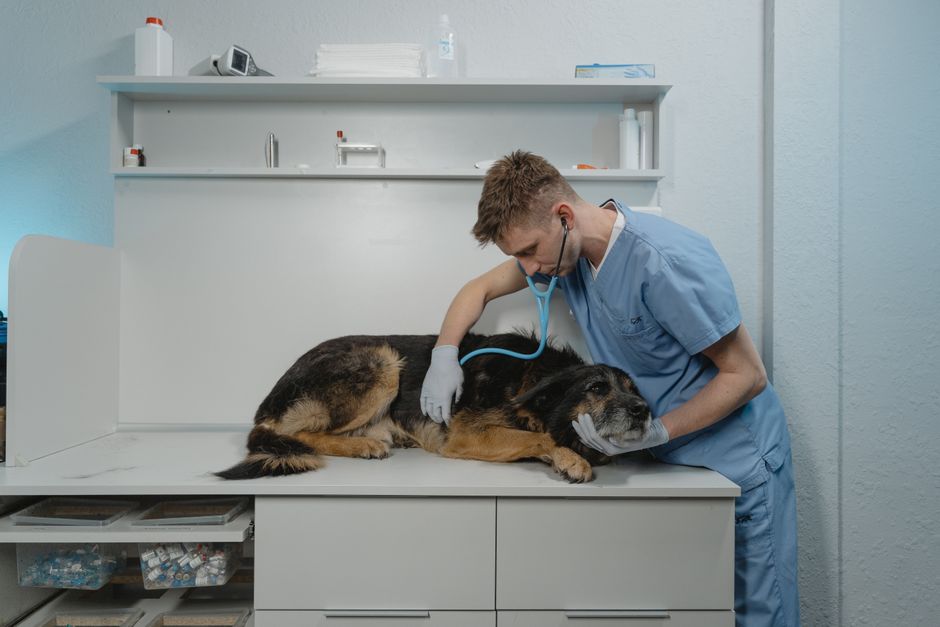
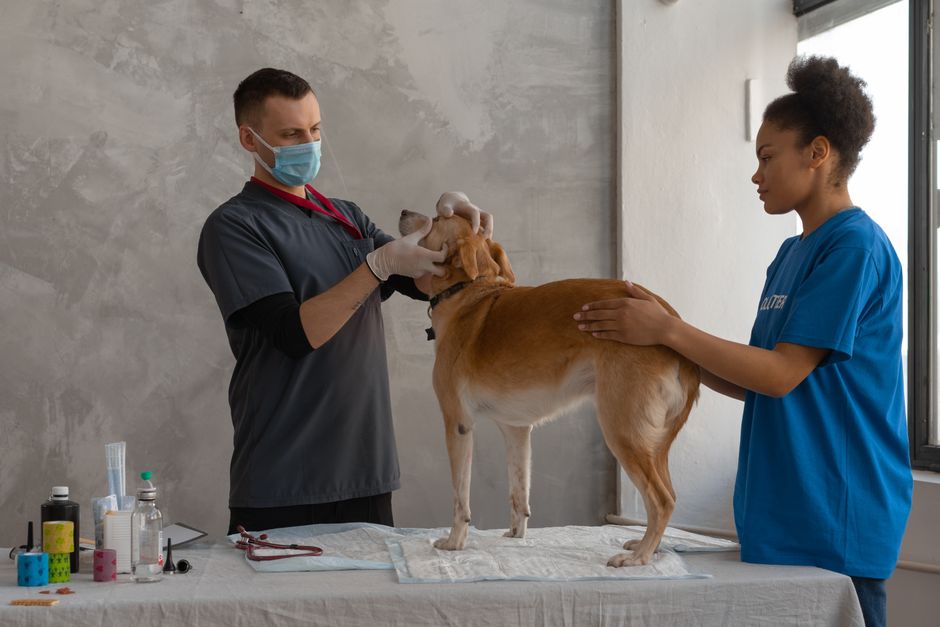
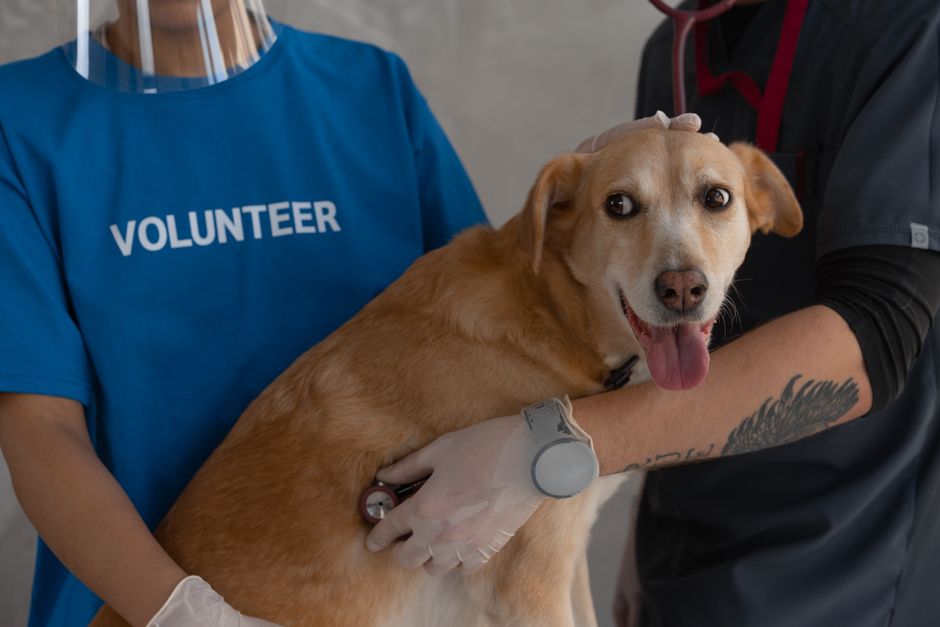
If you notice any signs of heart disease, your first step should be to schedule a comprehensive examination with our veterinary team. At Companion Animal Clinic, we use a combination of diagnostic tools to uncover the underlying cause of your pet’s symptoms. Diagnosis often begins with a physical examination that includes listening to the heart and lungs, followed by advanced tests as needed.
Diagnostic techniques may involve blood pressure monitoring to detect hypertension, which often accompanies heart disease, and electrocardiograms (ECG) to assess the electrical activity and rhythm of your pet’s heart. You can learn more about our blood pressure monitoring and electrocardiogram services, which provide valuable information for early detection.
Chest X-rays and ultrasound (echocardiogram) are used to visualize the heart’s structure and function, helping our veterinarians determine the type and severity of heart disease. Blood tests may be performed to rule out underlying conditions or to monitor organ function during treatment.
Management and Treatment Approaches
Treatment for heart disease in pets is tailored to the individual and the specific diagnosis. For some pets, medications may be prescribed to help the heart pump more effectively, control blood pressure, or reduce fluid build-up. Diet modifications are often recommended to limit sodium intake and support overall cardiovascular health. Exercise restrictions may be necessary for pets with advanced disease, but regular gentle activity is usually beneficial for those with mild conditions.
Heartworm disease requires a different approach, involving medications to eliminate the parasite and supportive care to manage symptoms. For pets with congenital defects or arrhythmias, surgical options or ongoing monitoring may be discussed. Our goal is always to create a management plan that supports your pet’s quality of life and helps you enjoy more happy, active years together.
Prevention and Home Care: Helping Your Pet Stay Heart-Healthy
Preventing heart disease starts with regular veterinary care and awareness of your pet’s risk factors. Annual or semi-annual checkups enable our veterinarians to catch subtle changes before they become serious. Preventive steps include giving your pet heartworm prevention medication year-round, maintaining a healthy weight through balanced nutrition and regular exercise, and avoiding exposure to secondhand smoke or environmental toxins that can affect heart health.
At home, keep an eye out for any changes in your pet’s energy level, breathing, or appetite. Monitoring your pet’s weight, providing age-appropriate activity, and keeping up with dental care also support cardiovascular health. For senior pets, our senior pet care program offers additional guidance tailored to the unique needs of aging animals, helping you address potential heart problems early.
Supporting Your Pet’s Heart at Every Life Stage
Young pets benefit from early screening and establishing healthy routines, while adult and senior pets require ongoing vigilance for new or worsening symptoms. Our veterinary team customizes care recommendations based on your pet’s breed, age, and overall health status, ensuring that every animal receives the attention they deserve.
When to Schedule a Veterinary Visit for Heart Concerns
Knowing when to seek professional help can make a critical difference in your pet’s prognosis. You should schedule a veterinary visit if your pet displays symptoms such as persistent coughing, difficulty breathing, unexplained weakness, fainting, or a noticeable decrease in activity. Sudden changes in appetite, weight loss, or abdominal swelling are additional warning signs that require medical evaluation.
If your pet has already been diagnosed with heart disease, regular follow-up visits are essential for monitoring progress and adjusting treatment as needed. New or worsening symptoms should always prompt a call to your veterinarian, as many heart conditions can progress quickly without timely intervention.
At Companion Animal Clinic, we are committed to providing thorough, compassionate care for your pet at every stage of life. If you are searching for a trusted "veterinarian near me" in Gilbert or nearby communities, our experienced veterinary team is here to help.
Take the Next Step for Your Pet’s Heart Health
Your pet’s heart is at the center of a happy, active life. By learning to recognize the signs of heart disease and taking proactive steps, you give your furry friend the best chance at a long, healthy future. If you have any concerns about your pet’s heart health, do not wait—schedule an appointment with our veterinarians at Companion Animal Clinic today. Our team can provide a wellness examination, perform advanced diagnostics, and offer personalized recommendations to protect your pet’s heart.
We welcome pets from Gilbert and the surrounding communities, and we are dedicated to building lasting relationships with both pets and their families. For questions or to book your visit, call us at (515) 233-6689 or stop by our convenient location at 143 Dunn Street, Gilbert, IA 50105. Together, let’s keep your pet’s heart strong and healthy, all year long.
The information in this blog is intended for educational purposes only and should not replace professional veterinary advice. If you think your pet may be experiencing symptoms of heart disease, contact your veterinarian for a thorough evaluation.
References:
- American Veterinary Medical Association: Heart Disease in Pets
- American Heartworm Society: Heartworm Basics
- Cornell University College of Veterinary Medicine: Feline Heart Disease