Cat Eye Crusties: Causes, Care, and When to See the Vet
Cat Eye Crusties: Causes, Care, and When to See the Vet
If you have ever noticed a bit of dried discharge or “cat eye crusties” at the corner of your cat’s eyes, you are not alone. Many cat owners in the Gilbert, IA area bring this concern to our team at Companion Animal Clinic. While a small amount of clear or slightly dark crust can be normal, excessive or colored discharge may signal an underlying problem that deserves attention. In this blog, we will guide you through the most common causes of cat eye crusties, signs that suggest something more serious, home care tips for keeping your cat comfortable, and advice on when it is best to schedule an appointment with our veterinary team. Whether you are caring for a playful kitten, a dignified senior cat, or another animal companion, our goal is to help you recognize when eye discharge is normal and when it is time for professional evaluation at our 143 Dunn Street, Gilbert, IA location.
Recognizing Cat Eye Crusties: What Is Normal and What Is Not?
Most cat owners notice a bit of crust or tear staining at some point, especially after their cat wakes up from a nap. Normal cat eye crusties are usually clear to brownish in color and found at the inner corners of the eyes. These crusts are often made up of dried tears, dust, and natural debris that the eye flushes out. However, when the discharge becomes thick, yellow, green, bloody, or is accompanied by redness, squinting, or swelling, it is a sign that something more serious may be going on.
Common signs that indicate cat eye crusties may be a problem include an increase in the quantity of discharge, changes in color or odor, your cat pawing at their eyes, or visible discomfort such as frequent blinking, squinting, or holding an eye closed. Additionally, if you notice swelling around the eye, cloudiness, or your cat’s third eyelid showing, these are all signals that warrant a closer look by a veterinarian. While this blog focuses on cats, if you have another companion animal, such as a dog or even a farm species, similar symptoms can suggest eye irritation that needs prompt attention.
What Causes Cat Eye Crusties?
Understanding the root causes of cat eye crusties can help you determine when they are a simple nuisance and when they might be a sign of a bigger health issue. The most common causes include environmental irritants, mild allergies, or the natural shape of your cat’s face; for example, flat-faced breeds like Persians may have more tear overflow due to their anatomy.
However, crusty eyes can also signal more serious health conditions. Conjunctivitis, often referred to as “pink eye,” is a common problem in cats and can be caused by viral or bacterial infections, such as feline herpesvirus or chlamydia. These infections often produce a thick, colored discharge and may be accompanied by other symptoms like sneezing or nasal discharge. Blocked tear ducts or eyelash abnormalities can also contribute to excessive discharge. In some cases, foreign bodies such as dust or plant material can become trapped and lead to irritation.
Environmental factors, such as dust or household cleaners, may cause mild irritation and increased tearing. Seasonal allergies can also play a role, especially in the spring and fall when pollen counts rise in central Iowa. Finally, trauma or scratches to the eye’s surface can result in inflammation and crust formation. If you suspect an injury, your cat should be evaluated promptly to prevent complications.
Diagnosing and Treating Cat Eye Crusties at the Veterinary Clinic
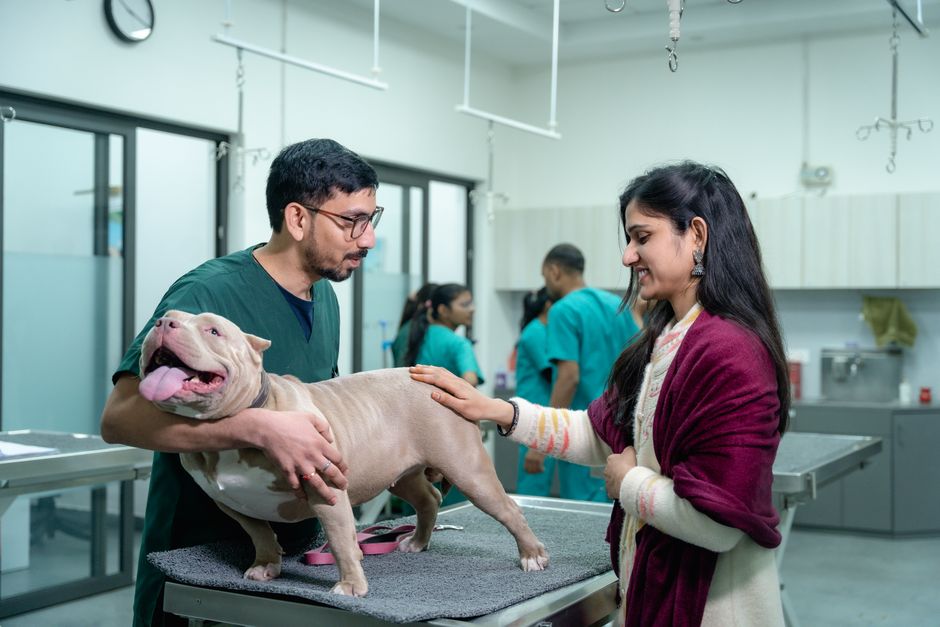
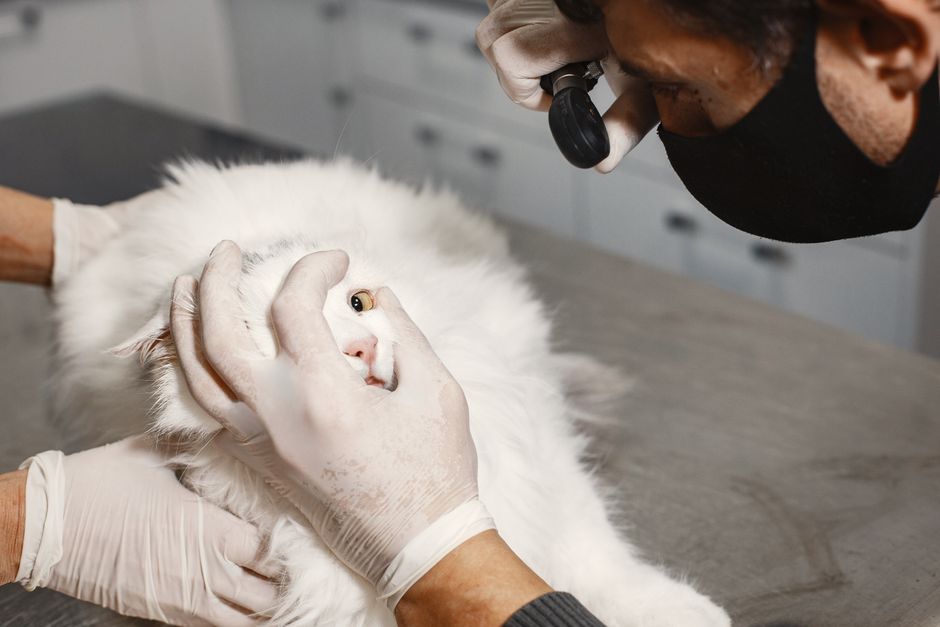
When you bring your cat in for an eye evaluation at Companion Animal Clinic in Gilbert, our veterinary team will start by obtaining a full history and performing a thorough examination. We often begin with simple observation but may recommend additional diagnostic tests to pinpoint the cause of your cat’s eye issue. For example, a Schirmer tear test can help us determine if your cat is producing enough tears. If we suspect a scratch or ulcer on the cornea, we may use an eye stain test to highlight any damage to the surface of the eye. In cases where internal eye pressure is a concern, especially if glaucoma is suspected, a Tonopen intraocular pressure test provides valuable information.
Treatment approaches depend on the underlying cause. For mild irritation or allergies, simple at-home cleansing and environmental adjustments may be sufficient. However, for infections, your cat may require medicated eye drops or ointment. Blocked tear ducts, eyelid abnormalities, or more complicated injuries may need surgical correction or advanced therapies. Our team always tailors treatment to your cat’s specific diagnosis, age, and overall health.
It is important to avoid using over-the-counter medications or human eye products on your cat unless specifically instructed by your veterinarian. Many human products are not safe for feline use and could make the problem worse. If you have other animals—such as dogs, goats, or horses—keep in mind that each species requires unique care, and what works for one may not be safe for another.
Home Care for Cat Eye Crusties: Keeping Your Cat Comfortable
For most cats with minor eye discharge, gentle home care can help reduce irritation and keep your cat comfortable. Start by washing your hands before and after cleaning your cat’s eyes. Use a soft, damp cloth or a sterile cotton pad moistened with warm water to gently wipe away crusties from the corner of the eye. Always wipe outward, away from the eye itself, and use a fresh pad for each eye to avoid spreading infection.
If your veterinarian has prescribed medication, follow dosing instructions carefully and complete the full course, even if your cat appears to be improving. Keeping your cat’s environment dust-free, using unscented litter, and avoiding harsh cleaning chemicals can also help reduce eye irritation. For long-haired cats, trimming the fur around the eyes may prevent hair from irritating the surface and worsening discharge.
While it may be tempting to try home remedies, it is always safest to consult your veterinarian before using any products not specifically recommended for cats. If you notice persistent or worsening symptoms, schedule an appointment for a professional evaluation.
When to Schedule a Veterinary Appointment for Cat Eye Crusties
Knowing when to seek veterinary care is crucial for protecting your cat’s vision and overall health. You should schedule an appointment at Companion Animal Clinic if your cat’s eye discharge is thick, yellow, green, or bloody; if there is swelling, redness, or if your cat is squinting or holding an eye closed. Other warning signs include cloudiness, visible injury, loss of appetite, lethargy, or if the third eyelid is visible. Rapid changes in your cat’s behavior or the appearance of both eyes being affected at once are also reasons to seek prompt care.
Routine eye issues can usually wait for a scheduled appointment during our regular business hours, but if you ever feel your cat is in significant pain or is rapidly losing vision, do not delay in reaching out. Our veterinary professionals are experienced in evaluating all species, so if you have concerns about dogs or even farm animals in your care, we are here to help guide you on the next steps based on the specific animal and situation.
Cat Eye Crusties in Other Species: What Mixed Animal Owners Should Know
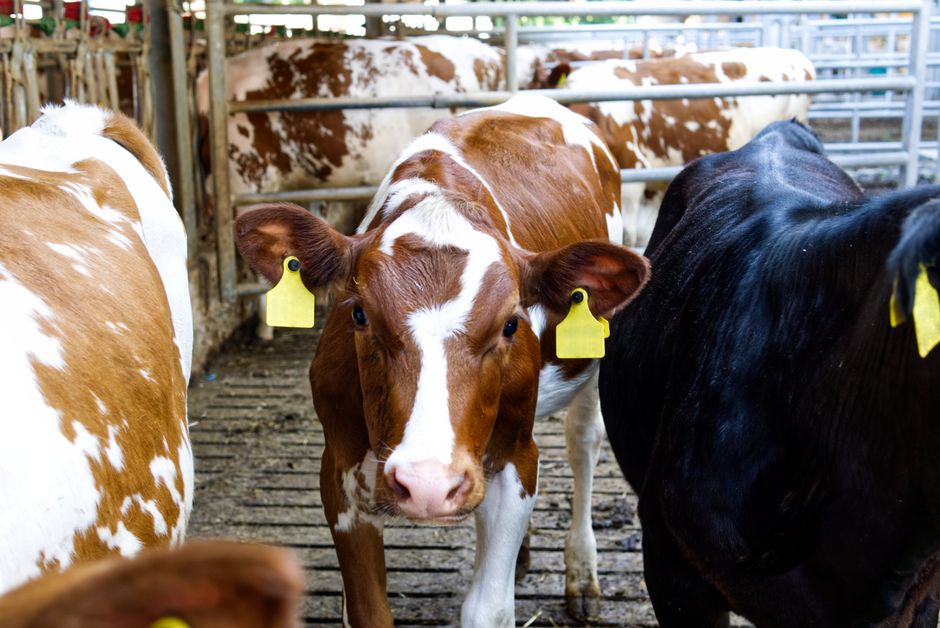
While this blog is focused primarily on cats, eye discharge and crusting can occur in other animals as well. For example, dogs may develop similar symptoms due to allergies, infections, or breed-specific anatomy. Livestock species, such as goats, sheep, or cattle, can experience eye discharge from pinkeye (infectious bovine keratoconjunctivitis), environmental irritants, or injuries sustained in the pasture or barn. Horses are also prone to eye injuries and infections, particularly during fly season or when exposed to dusty conditions.
For all species, the principles remain the same: monitor for changes in the appearance or amount of discharge, watch for signs of discomfort, and seek veterinary advice if you notice persistent or worsening symptoms. Our mixed animal veterinary team at Companion Animal Clinic is equipped to evaluate eye concerns across a wide range of animals, ensuring that your companion, working animal, or livestock receives the best possible care.
Keeping Your Cat’s Eyes Healthy Year-Round
Maintaining good eye health in your cat involves a combination of regular observation, preventive care, and prompt attention to problems as they arise. Schedule routine wellness exams at Companion Animal Clinic to catch subtle changes early; our team can help identify issues before they become more serious. Keep your cat’s living space clean, control dust, and be mindful of seasonal allergens that are common in Iowa. For other species in your household or operation, consider routine health checks to monitor for signs of eye disease, especially during periods of increased risk such as fly season or when working livestock in dusty environments.
If you have questions about your cat’s eye health or need support managing a persistent case of cat eye crusties, we are just a phone call away. Our team is always happy to discuss your concerns and help you determine the best course of action for your animal’s wellbeing.
When to Search for a Vet Near Me: Your Local Resource for Cat Eye Crusties in Gilbert, IA
Cat eye crusties are a common concern, but it is important to know when simple cleaning is enough and when a professional evaluation is needed. If you are searching for a veterinarian near me to help with your cat’s eye health or have questions about any of your animals, Companion Animal Clinic is here to serve the Gilbert, IA community and surrounding areas. Our team of veterinarians is dedicated to providing compassionate, comprehensive care for cats, dogs, and the occasional livestock or equine patient.
To schedule an appointment for your cat’s eye evaluation or discuss any concerns about cat eye crusties, call us at (515) 233-6689 or visit us at 143 Dunn Street, Gilbert, IA 50105. We are committed to helping you keep all of your animals healthy, comfortable, and thriving. If you need guidance on eye issues for other species, simply ask—our mixed animal focus means we are prepared to support the unique needs of every animal in your care.
Remember, eye health is vital for your cat’s quality of life. Do not hesitate to reach out if you notice unusual cat eye crusties or any signs of discomfort. Your animal’s wellbeing is our highest priority, and we are honored to be your trusted partner in animal health here in Gilbert, IA.