Cat Eye Drops: What Pet Owners Need to Know
Cat Eye Drops: What Pet Owners Need to Know
If you have ever noticed your cat squinting, rubbing at their eyes, or showing signs of discomfort, you are not alone. Eye problems are fairly common in cats, and as a pet owner, understanding when and how to use cat eye drops can make a real difference in your feline friend’s comfort and health. At Companion Animal Clinic, located at 143 Dunn Street, Gilbert, IA 50105, our veterinary team regularly helps pet owners across Gilbert and surrounding communities address a variety of feline eye issues. In this blog, we will discuss the most common reasons cats need eye drops, how veterinarians diagnose feline eye conditions, tips for safely giving cat eye drops at home, and when you should schedule an appointment for your cat’s eye health. Whether your cat is squinting after a rough play session or you have noticed a persistent discharge, knowing the basics about cat eye drops can help you protect your companion’s vision and wellbeing year-round.
Recognizing Eye Problems in Cats
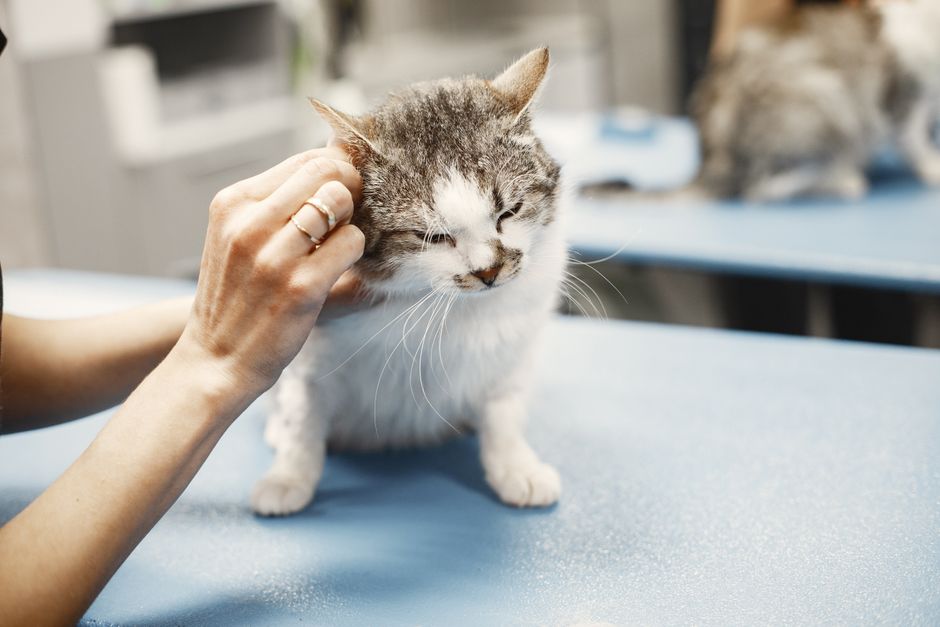
Cats are masters at hiding discomfort, so identifying an eye problem early can be challenging. However, there are several warning signs that should alert you to a possible issue. Common symptoms include redness or inflammation of the eye, watery or thick discharge, squinting or holding the eye closed, excessive blinking, and pawing at the face. Sometimes you might notice your cat bumping into furniture or acting more withdrawn, which can signal impaired vision. Cloudiness, changes in the color of the eye, and visible third eyelid are also signs that something may be wrong. If your cat experiences a sudden injury around the head or eyes, it is especially important to observe for any changes in their eye appearance or behavior. Keeping a close eye on these symptoms allows you to seek veterinary help promptly, which can prevent minor issues from becoming more serious.
Why Do Cats Need Eye Drops?
There are several reasons your cat might need eye drops. Eye infections, often caused by bacteria or viruses such as feline herpesvirus, are a frequent culprit. Allergies to dust, pollen, or cleaning chemicals in the home can lead to irritation and watery eyes. Physical injuries, like scratches from another cat or a foreign object, may result in corneal ulcers or abrasions, requiring medication. Certain cats, especially those with flat faces like Persians, are prone to chronic eye problems due to their anatomy. Additionally, some underlying conditions such as dry eye (keratoconjunctivitis sicca) or glaucoma can require ongoing treatment. Our veterinarians may recommend specific diagnostic tests, such as a Schirmer Tear Test to measure tear production if dry eye is suspected, or an eye stain test to check for corneal scratches and ulcers. Understanding the underlying cause is key to choosing the right type of cat eye drops and ensuring effective treatment.
Common Eye Conditions in Cats
Among the most frequently diagnosed eye conditions in cats are conjunctivitis, which involves inflammation of the tissues around the eye; corneal ulcers, which can develop after trauma; and glaucoma, a condition marked by increased pressure inside the eye. Conjunctivitis often presents with redness, swelling, and discharge. Corneal ulcers can cause severe pain and a cloudy appearance to the eye, while glaucoma may show up as a bulging or unusually hard eye. Each of these conditions may require a different type of cat eye drop, such as antibiotic, antiviral, anti-inflammatory, or pressure-reducing medications. Your veterinarian will determine which treatment is best after a thorough examination.
How Cat Eye Problems Are Diagnosed
Diagnosing eye issues in cats involves a combination of a detailed physical exam and specialized tests. Your veterinarian will start by evaluating your cat’s overall health and carefully examining both eyes for abnormalities. Techniques such as eye stain testing help identify corneal injuries, while measuring intraocular pressure with a tonopen can detect glaucoma. The Schirmer Tear Test is used to check for dry eye, a condition that may require lifelong management with artificial tear drops or medications. In some cases, more advanced diagnostics like lab tests or imaging may be needed if an underlying systemic or infectious disease is suspected. By pinpointing the cause, your veterinarian can recommend the safest and most effective cat eye drops for your pet’s specific needs.
Treating Feline Eye Conditions with Cat Eye Drops
Once your cat’s diagnosis is confirmed, our veterinary team will create a treatment plan tailored to their condition. For bacterial infections, antibiotic eye drops or ointments may be prescribed. If a viral infection is suspected, antiviral drops or supportive therapy might be needed. Anti-inflammatory drops help reduce swelling and discomfort in cases of allergy or chronic inflammation. For eye injuries, your veterinarian may first use an eye stain test to identify any corneal damage and then prescribe medicated drops to promote healing and prevent infection. Cats with chronic dry eye benefit from lubricating drops or gels, which keep the eye surface moist and comfortable. In cases of glaucoma, pressure-reducing medications such as those administered after tonopen testing can help slow disease progression and preserve vision. It is crucial to follow your veterinarian’s instructions exactly, including the prescribed dose and frequency, as improper use can delay healing or even cause harm.
How to Give Cat Eye Drops at Home
Administering cat eye drops can be a challenge, even for experienced pet owners. Success starts with preparation; have the medication ready and, if possible, ask someone to gently hold your cat while you work. Begin by washing your hands thoroughly, then gently cradle your cat’s head, tilting it slightly upward. With your non-dominant hand, use your thumb to gently open the upper eyelid. Hold the eye drop bottle close but not touching the eye, and squeeze the prescribed number of drops onto the eye’s surface. Release your cat and allow them to blink, which will spread the medication. Giving a treat or offering calm praise afterward can ease future attempts. If you are struggling to medicate your cat, reach out to our veterinary team for tips or a demonstration during your next appointment. Your cat’s comfort and safety are our top priorities.
Preventing Eye Issues in Cats
Prevention is always better than cure when it comes to feline eye health. Keeping your cat’s living environment clean and free from irritants, such as dust, strong cleaning chemicals, and cigarette smoke, can reduce the risk of allergies and infections. Regularly check your cat’s face and eyes for signs of redness, discharge, or swelling. Promptly addressing upper respiratory infections, which are common in cats, also helps prevent secondary eye problems. For long-haired cats, gently wiping away tear stains and trimming hair around the eyes with blunt-tipped scissors can minimize irritation. Annual veterinary exams provide an opportunity to catch early signs of eye disease and discuss preventive care, including vaccinations that protect against herpesvirus and calicivirus. If your cat spends time outdoors, supervise their explorations to minimize the risk of trauma or exposure to infectious agents. By staying attentive and proactive, pet owners can help their cats maintain bright, healthy eyes throughout their lives.
When to Schedule a Veterinary Appointment for Cat Eye Problems
It is important to know when home care is not enough and professional veterinary help is needed. If you notice your cat has persistent redness, swelling, discharge, or squinting that lasts more than a day or two, schedule an appointment right away. Sudden changes in vision, cloudiness, or visible injury to the eye always warrant immediate attention. Cats who are pawing at their eyes or showing signs of significant discomfort should be evaluated promptly to avoid complications. Delaying treatment can result in permanent vision loss or chronic pain. Our veterinarians in Gilbert are equipped to diagnose and treat a wide range of feline eye conditions, using advanced tools like tonopen intraocular pressure testing and specialized stains to quickly pinpoint the cause of your cat’s symptoms. If you are ever unsure, it is always safest to call and ask for guidance. We are here to support both you and your cat every step of the way.
Cat Eye Drops in Gilbert, IA: Your Local Resource
At Companion Animal Clinic, we understand how concerning it can be to see your cat struggling with an eye problem. As your trusted veterinary professionals in Gilbert and the surrounding area, our team provides comprehensive care for both routine and urgent feline eye issues. From diagnosing the cause of your cat’s symptoms using advanced tests to demonstrating the safest ways to administer cat eye drops at home, we are committed to helping your feline companion see and feel their best. If you are searching for a veterinarian near me who can address your cat’s eye health or if you need guidance on using cat eye drops, reach out to our clinic for support. To schedule an appointment, call (515) 233-6689, or visit us at 143 Dunn Street, Gilbert, IA 50105. For more information about specific eye health services such as the Schirmer Tear Test, eye stain testing, or tonopen intraocular pressure testing, explore the resources on our website or ask our team during your visit.
Your cat’s comfort and vision are important to us. Whether your cat needs a routine check or specialized cat eye drops, the veterinary team at Companion Animal Clinic is here to provide the care and guidance you can trust.