Dental Health Tips for Pets: Preventing Problems Before They Start
Dental Health Tips for Pets: Preventing Problems Before They Start
Caring for your pet’s teeth is about much more than just a sparkling smile; it is a crucial part of ensuring their overall health and comfort. Just like humans, dogs and cats can develop dental disease, which can lead to pain, difficulty eating, and even systemic health issues if left untreated. At Companion Animal Clinic, conveniently located at 143 Dunn Street, Gilbert, IA 50105, our veterinary team is passionate about helping pet owners in Gilbert and surrounding communities protect their furry friends through proactive care. Regular dental check-ups and cleanings are vital for maintaining pet dental health and preventing problems before they start.
In this blog, we will explore how to recognize early signs of dental issues in pets, why dental health problems develop, the professional treatments available at our clinic, and simple home care practices that make a big difference. If you are searching for a dental vet near me or want to know more about preventive dental care for pets in Gilbert, you will find practical guidance tailored to your pet’s needs. We will also share when it is time to schedule an appointment with our veterinarians for a thorough dental evaluation or cleaning.
To support your pet’s dental health journey, our team offers a comprehensive range of services, including pet dental cleanings, tooth extractions, and advanced oral surgery options. Our goal is to help you keep your pet's mouth healthy, comfortable, and pain-free at every stage of life.
Recognizing Dental Problems in Pets: When Should You Be Concerned?
Understanding what dental disease looks like in pets is the first step toward prevention. Many pet owners are surprised to learn that dental problems are extremely common; in fact, most dogs and cats show some signs of dental disease by age three. However, because pets are experts at hiding discomfort, these issues often go unnoticed until they become advanced.
Key symptoms of dental disease in pets include persistent bad breath, red or bleeding gums, visible tartar buildup along the gumline, and discolored or loose teeth. Additionally, you might notice your pet pawing at their mouth, dropping food while eating, or showing reluctance to chew on toys and treats they once enjoyed. In more severe cases, swelling around the face, excessive drooling, or even behavioral changes such as irritability can emerge.
If you live in Gilbert and have noticed any of these signs, it is important to schedule an appointment for a dental examination. Early recognition and intervention are essential for preventing pain and stopping dental disease from progressing. For more information on the dental cleaning services available, you can read about dental cleaning services for pets to maintain oral health.
Why Dental Disease Develops in Pets: Common Causes and Risk Factors
Dental disease in pets, much like in people, develops over time due to a combination of factors. The most significant contributor is the accumulation of plaque, which is a sticky film made up of bacteria, food particles, and saliva. If not regularly removed by brushing or professional cleaning, plaque hardens into tartar, which irritates the gums and can lead to inflammation known as gingivitis.
Certain breeds, particularly small dogs and some cats, are more susceptible to dental disease due to the shape of their mouths and tooth alignment. Diet plays a role as well; pets fed primarily soft or wet food are at increased risk because these foods tend to stick to the teeth and promote bacterial growth. Age is another important factor, as dental problems typically become more common as pets grow older.
Underlying health conditions, such as diabetes or immune system disorders, can also make pets more prone to dental issues. Additionally, genetics can influence how quickly plaque and tartar accumulate. Living in an area like Gilbert, where pets may spend time outdoors and encounter various environmental factors, can contribute to the buildup of debris and bacteria in the mouth.
Understanding these risk factors allows our veterinary team to tailor preventive dental care for pets in Gilbert to your pet’s unique needs, providing personalized recommendations during routine wellness visits.
Professional Dental Treatments: What to Expect at Companion Animal Clinic
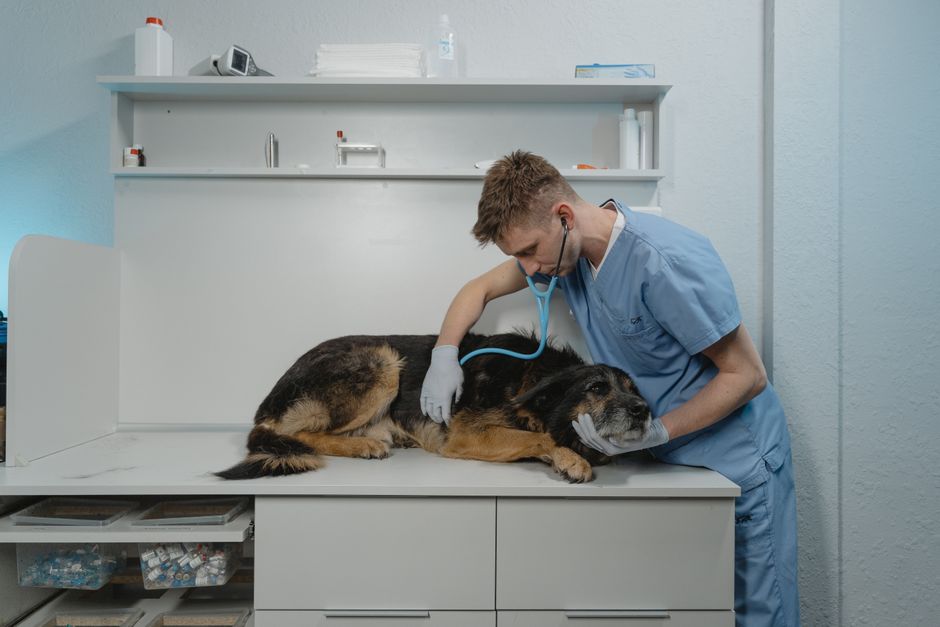
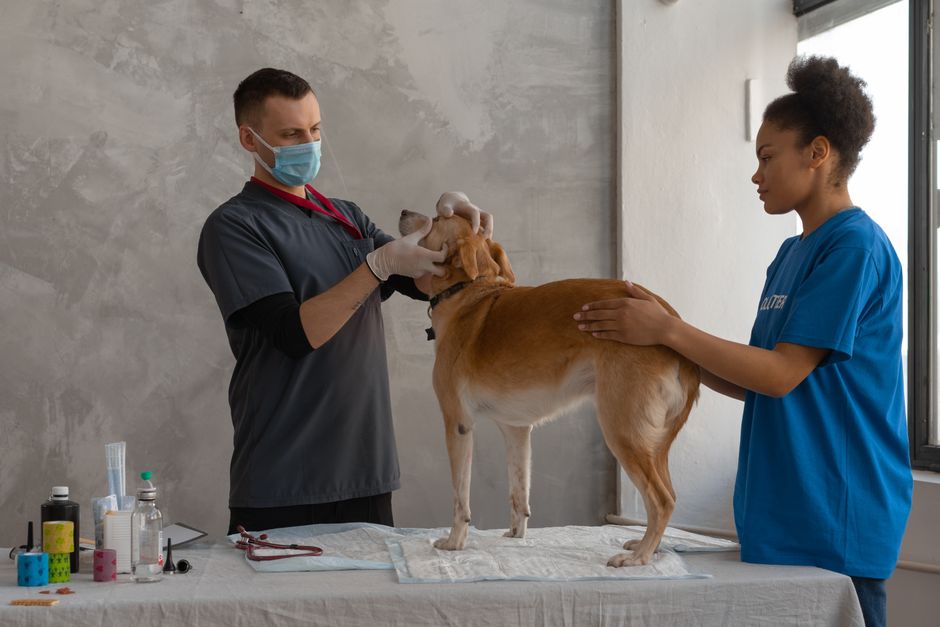
When you bring your dog or cat to Companion Animal Clinic for a dental evaluation, our veterinarians will perform a thorough oral examination, assessing the teeth, gums, and oral tissues for any signs of disease. If we identify concerns, we may recommend a professional dental cleaning, a procedure performed under general anesthesia to ensure your pet’s safety and comfort.
During a dental cleaning, our veterinary professionals will remove plaque and tartar from both above and below the gumline. This is followed by polishing the teeth to smooth the surfaces and discourage future buildup. If diseased or damaged teeth are found, we will discuss the need for pet tooth extractions or more advanced pet oral surgery to restore your pet's comfort and prevent further complications.
Our clinic is equipped with modern diagnostic tools, including digital radiology, to evaluate the health of the teeth and jawbone beneath the gumline. This allows us to identify hidden problems, such as tooth root abscesses or bone loss, that might not be visible during a visual exam. All procedures are performed with your pet’s safety as our top priority, and we provide detailed aftercare instructions to help your pet recover smoothly.
Regular professional cleanings are an essential part of preventive dental care for pets in Gilbert, especially for pets who are at higher risk due to age, breed, or previous dental issues. Our veterinary team will help you determine the ideal cleaning schedule for your pet to keep dental disease at bay.
Home Dental Care: Simple Steps for Healthier Smiles
While professional cleanings are important, what you do at home every day plays an equally vital role in maintaining your pet’s dental health. Establishing a consistent home dental care routine is the best way to slow the buildup of plaque and tartar, supporting the work done during veterinary cleanings.
Brushing your pet’s teeth with a pet-safe toothpaste is the gold standard of home care. Daily brushing is ideal, but even a few times a week can make a significant difference. Many pets are hesitant at first, so patience and positive reinforcement are key; start slowly by letting your pet taste the toothpaste and gradually introduce the brush.
Dental chews, treats, and toys designed to reduce plaque can provide additional support, especially for pets that resist tooth brushing. Look for products approved by the Veterinary Oral Health Council (VOHC) to ensure they are effective and safe. Special dental diets may also help, as these are formulated to mechanically clean the teeth during chewing.
Water additives and oral rinses can be useful, particularly for pets with early signs of gingivitis or those unable to tolerate brushing. However, these are best used as a supplement rather than a replacement for mechanical cleaning. Our veterinarians are happy to recommend the most effective products for your pet’s needs during a visit to our Gilbert location.
For additional support in preventing gum disease, our gingivitis prevention services are available to guide you in developing a customized home care plan.
When to Seek Veterinary Dental Care: Protecting Your Pet’s Health
Knowing when to seek professional help is crucial for preventing minor dental issues from becoming major health concerns. Any time you notice warning signs such as bad breath, red or swollen gums, loose teeth, difficulty eating, or changes in behavior, it is important to schedule an appointment with our veterinary team for a dental evaluation.
Even if your pet appears healthy, routine dental check-ups are recommended at least once a year, or more frequently for older pets and those with a history of dental disease. Preventive dental care for pets in Gilbert is most effective when combined with regular professional assessments and cleanings.
If you are searching for a veterinarian near me who prioritizes dental health, Companion Animal Clinic is here to help. Our team is committed to providing compassionate, comprehensive care for pets in Gilbert and surrounding communities. Whether your pet needs a routine cleaning or advanced dental repair, we are equipped to address a full spectrum of oral health needs.
Keeping Your Pet’s Smile Healthy: Take the Next Step with Companion Animal Clinic
Dental health is a lifelong commitment, and the right preventive steps today can spare your pet from pain and health complications down the road. By staying alert to the signs of dental problems, understanding the underlying causes, and partnering with our veterinary professionals for regular care, you are giving your pet the best chance for a happy, healthy life.
If you are ready to schedule your pet’s dental evaluation, cleaning, or simply want advice on the best home care routine, our team at Companion Animal Clinic welcomes your call. We invite you to reach out to (515) 233-6689 or visit us at 143 Dunn Street, Gilbert, IA 50105 to experience the difference of a dedicated dental vet near me. Let us help you protect your pet’s dental health in Gilbert with comprehensive preventive dental care for pets tailored to your companion’s unique needs.
For more details on our veterinary dental services, explore our dental cleaning services for pets to maintain oral health or speak with our veterinary team about your pet’s specific oral health concerns. Together, we can ensure your pet enjoys a lifetime of healthy smiles and wagging tails.
This blog provides general information about pet dental health. For individualized advice and treatment, please schedule an examination with your veterinarian. If you notice urgent symptoms such as severe pain, bleeding, or an inability to eat, contact us promptly for immediate support.