How Companion Care Supports Pet and Livestock Health Year-Round
How Companion Care Supports Pet and Livestock Health Year-Round
Caring for animals—whether they are beloved family dogs and cats or hardworking livestock on your farm—means making health and comfort a year-round priority. At Companion Animal Clinic, located right on 143 Dunn Street in Gilbert, IA, our philosophy centers on providing exceptional companion care for all the animals in your life. From regular checkups and vaccinations to advanced diagnostics and surgical services, our experienced veterinary team is here to help pets and livestock thrive in every season. In this guide, you’ll discover how routine exams, preventive strategies, and timely intervention can support the year-round health of both companion animals and farm herds. We’ll share practical advice for maintaining wellness at home and in the barn, highlight the unique needs of each species, and explain when professional veterinary care is essential for your dog, cat, goat, sheep, horse, or cow.
Recognizing When Companion Care Is Needed
Animals can’t tell us when something feels wrong, so attentive observation is key for every pet owner and producer. For dogs and cats, changes like decreased appetite, lethargy, excessive scratching, or unusual lumps may signal the need for a checkup. Other warning signs include persistent coughing, limping, difficulty urinating, or foul breath. For livestock such as goats, sheep, or cattle, subtle shifts in behavior—like isolating from the group, reduced feed intake, or altered gait—should raise concern. Additional signs that prompt a call to your veterinary team include respiratory distress, scouring (diarrhea), abnormal calving or lambing, and sudden drops in production or body condition. Horses, meanwhile, may show stiffness, reluctance to exercise, nasal discharge, or changes in manure consistency.
Seasonal changes in Iowa can also influence animal health. Spring brings mud and parasite challenges in pastures, while winter may cause joint stiffness or hoof issues. By recognizing these patterns and acting quickly, you’re taking the first step in proactive companion care.
Why Year-Round Health Matters: Causes and Contributing Factors
Maintaining wellness throughout the year involves more than treating illness as it arises—it’s about understanding the risks each season brings and how preventive strategies keep animals healthier, longer. For companion animals, regular vaccinations and parasite prevention help protect against diseases that can spread rapidly, especially as temperatures warm and outdoor activity increases. Dental health is another cornerstone of companion care; neglected teeth can lead to pain, infection, and organ complications over time.
Livestock face their own set of challenges. Parasite loads tend to climb in spring and summer, while cold weather can stress immune systems and increase the risk of respiratory illness. Nutritional needs fluctuate with the seasons, especially for pregnant or lactating animals and those approaching weaning. Horses require consistent hoof care and dental maintenance to avoid lameness and digestive upset, particularly as their workload or diet changes. By staying ahead of these factors, producers and horse owners can support steady growth, optimal production, and better animal welfare.
Professional Treatment and What to Expect from Your Veterinary Team
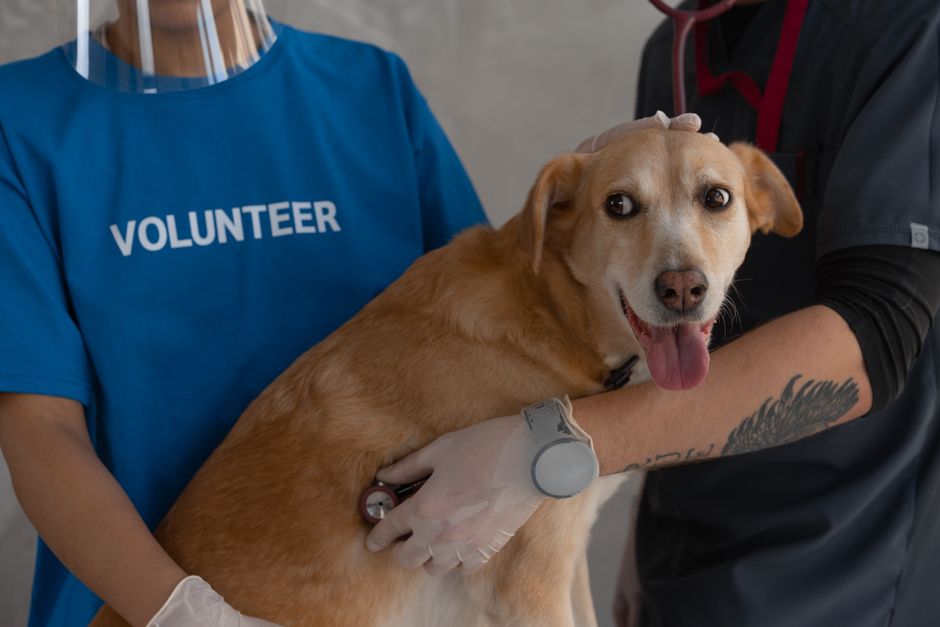
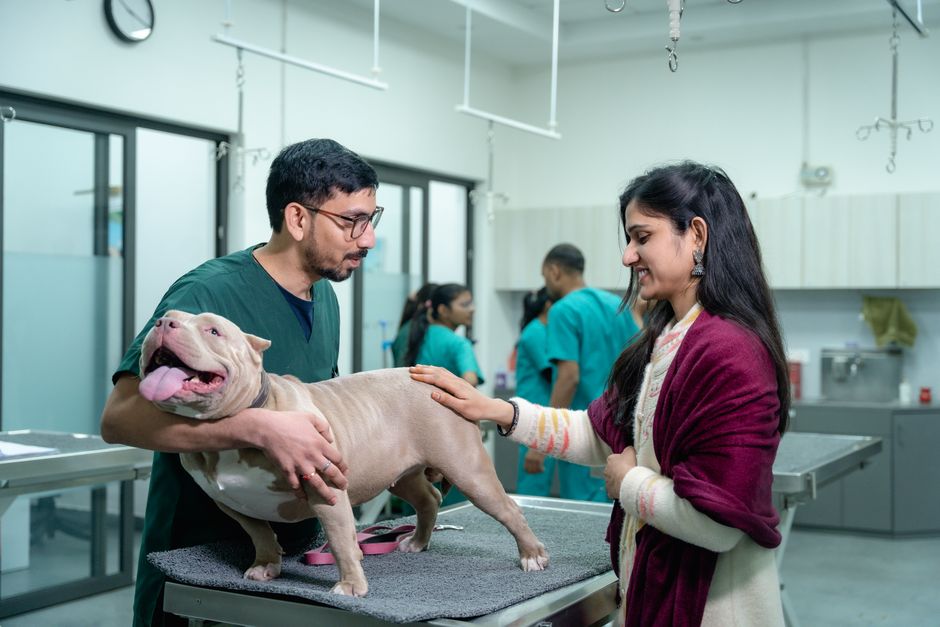
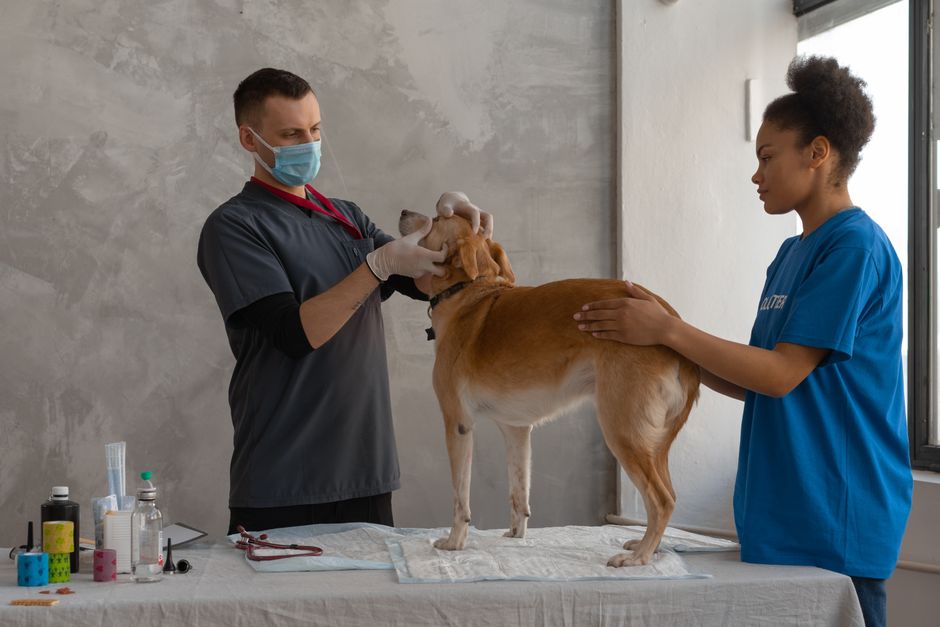
Scheduling regular examinations is one of the most effective ways to ensure both pets and livestock stay healthy. For dogs and cats, a comprehensive wellness examination at Companion Animal Clinic provides an opportunity to assess weight, body condition, dental health, skin, joints, and internal organ function. These visits often include tailored vaccination schedules, screening for parasites, and guidance on nutrition and behavior.
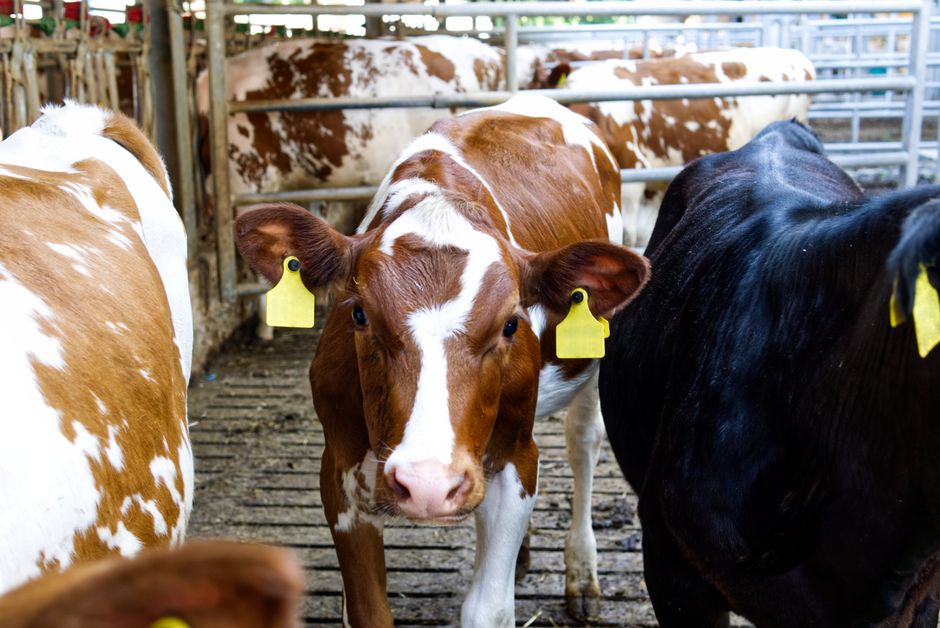
Livestock benefit from herd health checks, which may include pregnancy diagnosis, vaccination programs, parasite management, and body condition scoring. Our veterinary team can help producers establish protocols for calving or lambing season, monitor herd productivity, and address concerns like lameness or mastitis before they impact the operation.
Horses receive specialized care through regular soundness evaluations, dental floats, vaccination updates, and strategic deworming. If an issue is detected—such as a suspicious lump, persistent cough, or abnormal gait—our diagnostic capabilities include lab testing, digital radiology, and ultrasound. These tools help us provide clear answers and develop individualized treatment plans, whether your animal needs medication, minor surgery, or more advanced intervention. Learn more about our diagnostic laboratory services and how they support accurate, timely care for all species.
Preventive Strategies and Home Care for Every Animal
Proactive companion care extends far beyond the exam room. At home, pet owners can support their dog or cat’s health by providing a balanced diet, regular exercise, dental hygiene routines, and parasite prevention. Observing your pet for subtle changes, such as weight gain or dental tartar, allows early intervention and helps maintain quality of life. Cats may benefit from environmental enrichment and stress reduction to prevent urinary and behavioral issues.
Producers can enhance herd health by ensuring clean water, balanced nutrition, and safe handling facilities. Rotating pastures, monitoring for parasites, and scheduling timely vaccinations are vital steps in preventing disease outbreaks. Calving and lambing areas should be kept clean and dry, with sick or weak animals separated to minimize disease transmission. Horses thrive with consistent routines, proper hoof care, clean bedding, and turnout that supports both mental and physical well-being. Annual dental floats and tailored vaccination plans help reduce the risk of colic and infectious disease.
No matter the species, building a partnership with your veterinary team ensures you have access to expert advice on preventive care, nutrition, and early warning signs that may signal trouble.
When to Seek Veterinary Care: Knowing the Right Time
Deciding when to call your veterinarian can feel daunting, but prompt action often makes all the difference. For pets, symptoms such as persistent vomiting or diarrhea, sudden collapse, difficulty breathing, or suspected poisoning are always emergencies. More subtle issues—like gradual weight loss, changes in thirst or urination, or persistent skin problems—warrant a scheduled appointment for evaluation.
Producers and horse owners should contact their veterinary team immediately if they observe rapid breathing, inability to rise, abnormal births, or unexplained deaths in the herd. Issues such as lameness, decreased milk production, or unexplained weight loss should also be addressed promptly to avoid long-term impacts on animal welfare and productivity. Horses with signs of colic, severe lameness, or wounds need immediate attention, as these conditions can deteriorate quickly.
If you are ever unsure, err on the side of caution and reach out to our veterinarians for guidance. Timely intervention often leads to better outcomes, reduced suffering, and, for producers, less economic loss. For urgent health needs, our emergency veterinary care page offers more information about how we support animals in crisis.
Practical Companion Care for Pets, Livestock, and Horses
A year-round approach to animal health means adjusting your care routines as seasons and circumstances change. For pet owners, this may involve updating vaccines before boarding or travel, addressing flea and tick prevention as the weather warms, or scheduling dental cleanings to prevent painful oral disease. For producers, reviewing vaccination schedules ahead of calving or lambing season, monitoring feed quality, and preparing for heat stress or cold snaps are essential tasks.
Horse owners should pay extra attention to hoof health during wet weather, ensure access to fresh water in winter, and monitor for weight changes as pasture quality shifts. Collaborative relationships with your veterinary team make it easier to adapt care protocols and catch problems early, whether you are managing a single barn cat, a herd of cattle, or a stable full of horses. For complex or chronic concerns in any species, our internal medicine services are available to help unravel challenging cases and guide long-term care.
Your Local Partner for Year-Round Animal Health
Maintaining the well-being of your animals—whether they curl up on your couch or graze in your pasture—requires a proactive, informed approach to companion care. At Companion Animal Clinic, we are committed to supporting the health of pets, livestock, and horses in Gilbert, IA, and surrounding communities through every season of the year. Our veterinary professionals are here to provide preventive care, advanced diagnostics, and compassionate treatment whenever you need us.
If you have concerns about your animal’s health, want to schedule a routine examination, or need advice tailored to your situation, we invite you to contact our clinic. You can reach our team at (515) 233-6689 or visit us in person at 143 Dunn Street, Gilbert, IA 50105. For those searching for a veterinarian near me who understands the unique needs of both pets and livestock, our clinic is here to help. Let us work together to keep your animals healthy, comfortable, and thriving all year long.
This blog is intended for informational purposes and does not replace professional veterinary advice. Always consult your veterinarian for specific concerns about your animals.