Preventing Winter Weight Gain in Indoor Pets

Preventing Winter Weight Gain in Indoor Pets: Essential Tips for Gilbert, IA Dog and Cat Owners
As the Iowa winter settles in and temperatures drop, many local pet owners find that their indoor dogs and cats become less active and may start to put on extra pounds. If you are noticing changes in your pet’s waistline or energy levels, you are not alone. At Companion Animal Clinic, located right on 143 Dunn Street in Gilbert, IA, our veterinary team frequently helps families manage and prevent winter weight gain in their cherished companions. In this article, we will address why indoor pets are at particular risk during the colder months, how to recognize when your pet might be gaining unhealthy weight, and practical steps you can take for preventing pet weight gain. We’ll also share actionable indoor pet health tips to help your dog or cat stay active and healthy all year long.
Our focus is on supporting your pet’s long-term wellbeing through comprehensive care and personalized recommendations. As your trusted veterinary partner in Gilbert and surrounding communities, we encourage you to schedule an appointment with our team for a wellness examination if you have any concerns about your pet’s weight or overall health. If you would like to learn more about how regular check-ups can support your pet’s weight management, explore our wellness examination services.
Recognizing Winter Weight Gain in Indoor Dogs and Cats
It can be easy to miss gradual changes in your pet’s body condition, especially when they spend most of their time indoors during the winter. However, being able to spot the early signs of weight gain is an important part of preventing more serious health issues down the road.
Common signs that your indoor pet may be gaining excess weight include difficulty feeling your pet’s ribs beneath a layer of fat, a loss of a defined waist when viewed from above, or a more rounded belly that hangs lower than usual. You might also notice that your dog or cat is less playful, has trouble grooming themselves, or tires easily during walks or play sessions. Additionally, some pets develop trouble jumping onto furniture or climbing stairs as they become heavier. If your indoor cat spends more time sleeping and less time exploring, or your dog seems reluctant to go outside, these changes could be related to both decreased activity and increased weight.
A sudden increase in appetite or persistent begging for treats may also contribute to weight gain. Paying close attention to these subtle changes, particularly in the winter months, can help you respond early and seek guidance from a veterinarian near you before more significant health issues develop.
Why Do Indoor Pets Gain Weight in Winter?
Understanding the root causes of winter weight gain in pets can help you create an effective prevention plan. Several factors combine to make weight management more challenging for indoor dogs and cats when the weather turns cold in Gilbert.
One of the primary reasons is reduced physical activity. Colder temperatures, snow, and icy sidewalks often mean fewer walks, shorter outdoor playtimes, and less opportunity for pets to burn calories. For indoor cats, chilly drafts and shorter daylight hours can lead to increased napping and less spontaneous movement around the house.
In addition to reduced activity, many pets experience changes in their metabolism and appetite during the winter months. Some animals instinctively eat more in response to colder weather, while owners may be tempted to offer extra treats or table scraps as comfort during long winter evenings. Certain commercial pet foods are higher in calories than necessary for less active pets, which can contribute to weight gain if not properly managed.
Environmental enrichment also plays a role. When pets become bored due to limited stimulation indoors, they may turn to food for entertainment or comfort. Without intentional efforts to keep pets mentally and physically engaged, the risk of weight gain increases.
Professional Treatment and Support for Overweight Pets in Gilbert, IA
If you notice your pet is carrying extra weight, the first step is to schedule a comprehensive evaluation with your local veterinary professionals at Companion Animal Clinic. Managing pet weight gain is about much more than simply cutting back on food; a careful approach is needed to support your pet’s overall health and avoid potential complications.
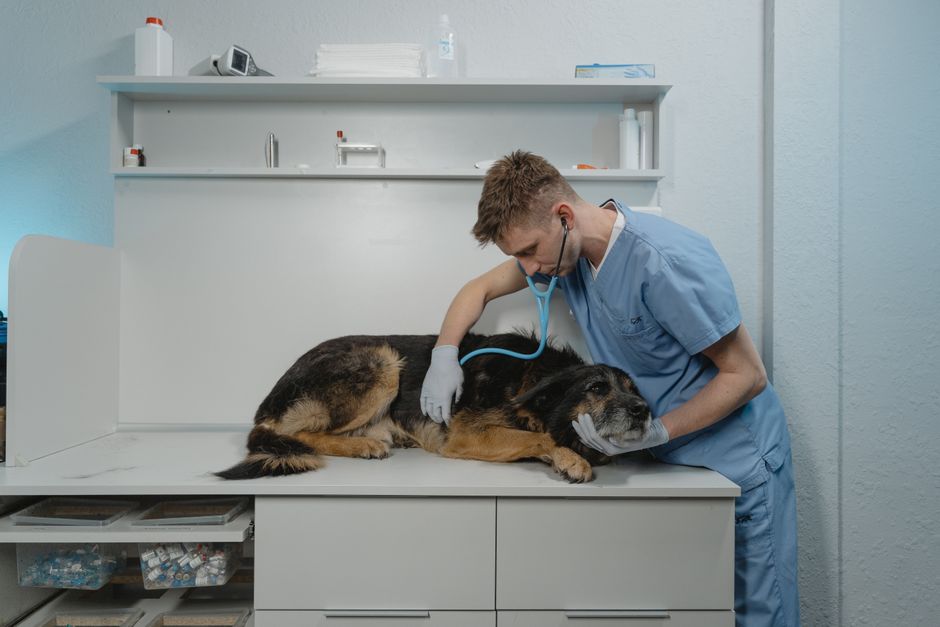
During a veterinary visit, our team will assess your pet’s body condition, discuss their current diet and activity levels, and check for any underlying medical issues that could be contributing to weight changes. Conditions such as hypothyroidism or arthritis can make it difficult for pets to maintain a healthy weight, so it’s important to rule out or address these concerns early.
Treatment options for overweight pets in Gilbert include creating a tailored nutrition plan, often involving a gradual calorie reduction and a shift to a weight management or specialty diet. We may recommend options available through our specialty diets for dogs and cats page, which provides information about diets designed specifically to support healthy weight loss and maintenance. In some cases, your veterinarian may suggest additional diagnostic testing to ensure there are no hidden health problems impacting your pet’s weight.
Regular follow-up visits allow us to track your pet’s progress, adjust their plan as needed, and offer continued support. Our goal is not just short-term weight loss, but establishing lifelong habits for your pet’s wellbeing. For older pets, our Senior Pet Care services can provide added guidance on maintaining a healthy weight as their needs change with age.
Indoor Pet Health Tips: How to Prevent Winter Weight Gain at Home
While veterinary care is essential for addressing significant weight issues, there is a lot you can do at home to help your indoor pet maintain a healthy weight throughout the winter. Preventing pet weight gain involves a combination of mindful feeding, creative exercise, and environmental enrichment.
First, pay close attention to portion sizes and feeding routines. Use a measuring cup to serve your pet’s meals, and consult with your veterinarian about the right amount and type of food for your dog or cat’s age, breed, and activity level. Treats should make up no more than ten percent of your pet’s daily calories; consider healthier treat alternatives or use a portion of their regular kibble as rewards during training.
To keep your pet active indoors, try interactive games like fetch in the hallway, hide-and-seek with favorite toys, or puzzle feeders that encourage movement and mental stimulation. For cats, climbing trees, scratching posts, and window perches can promote activity and satisfy their natural curiosity. Rotating toys and changing up play routines can also help prevent boredom. If your home allows, short bursts of supervised outdoor play, even in the winter, can be beneficial when weather permits.
Environmental enrichment is just as important as physical exercise. Setting up food-dispensing toys, creating obstacle courses with household items, or teaching new tricks can keep your pet’s mind and body engaged. Aim to schedule regular playtime into your daily routine, especially on days when outdoor activity is limited.
Finally, keep track of your pet’s weight and body shape on a monthly basis. If you notice changes, reach out to your veterinary team for guidance. These indoor pet health tips can make a significant difference in preventing pet weight gain in Gilbert and help your pet stay happy and healthy year-round.
When to Seek Veterinary Care for Your Pet’s Weight
It’s important to know when home care is not enough and professional support is needed. You should schedule an appointment with your veterinarian near you if your pet’s weight continues to increase despite your best efforts, if you notice a sudden change in appetite or activity level, or if your pet develops symptoms such as persistent lethargy, labored breathing, or unexplained lameness. These signs may indicate an underlying medical issue that requires prompt diagnosis and treatment.
Additionally, if your pet is older or has existing health conditions, regular veterinary checkups become even more crucial for monitoring their weight and adjusting their care plan as needed. The veterinary professionals at Companion Animal Clinic can help you determine the healthiest approach and provide ongoing support for your pet’s unique needs. For more information on how routine exams contribute to healthy weight management, visit our page about wellness examinations.
Remember, early intervention leads to better outcomes. If you are searching for the best veterinarian near me for managing pet weight and overall wellness, our Gilbert, IA clinic is here to help your pet thrive through every season.
Your Partner for Preventing Pet Weight Gain in Gilbert, IA
Winter can be a challenging time for indoor pets, but with the right resources and support, you can help your dog or cat maintain a healthy weight and enjoy a vibrant, active life. By recognizing the early signs of weight gain, understanding the unique risks winter poses, and implementing actionable indoor pet health tips, you are already taking important steps toward your pet’s long-term wellbeing.
If you have questions about your pet’s diet, activity level, or body condition, we encourage you to schedule an appointment with our veterinary team. At Companion Animal Clinic, our commitment is to provide comprehensive, compassionate care to every pet who walks through our doors. Whether you are interested in a tailored nutrition plan, a wellness examination, or specialty diets for dogs and cats in Gilbert, our team is ready to support you.
To get started, call (515) 233-6689 or visit our clinic location to schedule your pet’s next visit. For families searching for the best veterinarian near me, our locally owned clinic is dedicated to helping pets in Gilbert and surrounding communities live healthier, happier lives all year long.
Please note: The advice provided in this blog is for informational purposes only and is not a substitute for professional veterinary care. Always consult with your veterinarian for individualized recommendations and before making changes to your pet’s diet or exercise routine. For more resources and pet care tips, you can explore our veterinary blog.