Senior Pet Wellness: Winter Care Tips for Iowa Owners

Senior Pet Wellness: Winter Care Tips for Iowa Owners
Winter in Iowa brings frigid temperatures, icy winds, and shorter days, creating unique challenges for senior pets and their loving owners. If your older dog or cat seems to be slowing down or struggling more during the cold months, you are not alone. Many pet owners in Gilbert and surrounding communities notice changes in their senior pets as winter settles in. At Companion Animal Clinic, located at 143 Dunn Street, Gilbert, IA 50105, our caring veterinary team is dedicated to helping your aging companions stay happy, healthy, and comfortable no matter what the Iowa weather brings.
This guide will help you recognize when your senior pet may need a little extra support this winter. You will learn about common winter-related health challenges for older pets, why these issues occur, practical home care strategies, and when it is time to schedule a wellness examination. We will also share how our team at Companion Animal Clinic can partner with you to keep your pet healthy through every season. For those interested in a more tailored approach to aging pet care, our senior pet care services are designed specifically for the needs of older dogs and cats.
Recognizing Winter Challenges in Senior Pets
Older pets are often more sensitive to cold weather and seasonal changes. As pets age, their bodies may not regulate temperature as efficiently, and existing health conditions can become more problematic during the winter months. Recognizing the subtle and not-so-subtle signs that your senior pet is struggling with the cold is the first step in providing the support they need.
Some key symptoms of winter discomfort in senior pets include stiff or achy joints, reluctance to go outside, slower movements, or hesitance when climbing stairs. You might notice that your dog or cat is sleeping more or appears less interested in playing. Changes in appetite, accidents in the house, or vocalizing when getting up are other signs that could point to discomfort or pain. Pets with arthritis, heart conditions, or kidney disease may experience worsening symptoms when temperatures drop. Skin and paw issues are also more common as dry air and snow can lead to cracked pads or itchy skin.
If your senior pet is demonstrating any of these changes, it is important to take them seriously. While some slowing down is normal with age, sudden or severe changes warrant a closer look from a veterinary professional.
Understanding Subtle Signs
Sometimes, the signs that your pet is uncomfortable are easy to overlook. For example, a cat that begins to avoid jumping onto their favorite windowsill or a dog that lags behind on walks may be communicating that winter is taking a toll. Paying attention to these subtle shifts in behavior can help you intervene early and reduce the risk of more serious health concerns.
Why Winter is Harder on Senior Pets
Winter brings a combination of environmental factors and physiological changes that can impact older pets. As animals age, their metabolism slows, and their immune system may not function as efficiently. This makes them less resilient to the stress of cold weather and more prone to illness or injury.
Joint stiffness and arthritis are especially common in senior dogs and cats, and cold temperatures can intensify inflammation and pain. When joints are cold, pets may appear more reluctant to move, which can lead to muscle loss and further mobility decline. Additionally, icy surfaces increase the risk of slips and falls, which can be particularly dangerous for pets with weakened bones or poorer balance.
Pets with chronic conditions such as heart disease, kidney disease, or diabetes often have more difficulty maintaining their body temperature. The cold can exacerbate these issues, leading to increased fatigue or even medical emergencies. Dry air inside homes can also irritate the respiratory system and skin, resulting in coughing, sneezing, or itching. With daylight hours reduced, pets may experience changes in sleep patterns or mood, making them seem more lethargic or withdrawn.
The Impact of Indoor Living
During winter, pets spend more time indoors, which can reduce their physical activity and mental stimulation. Less exercise can contribute to weight gain, which puts additional strain on joints and organs. For older pets, maintaining a healthy weight and staying mentally engaged are crucial to their overall wellbeing.
Supportive Veterinary Care for Senior Pets in the Winter
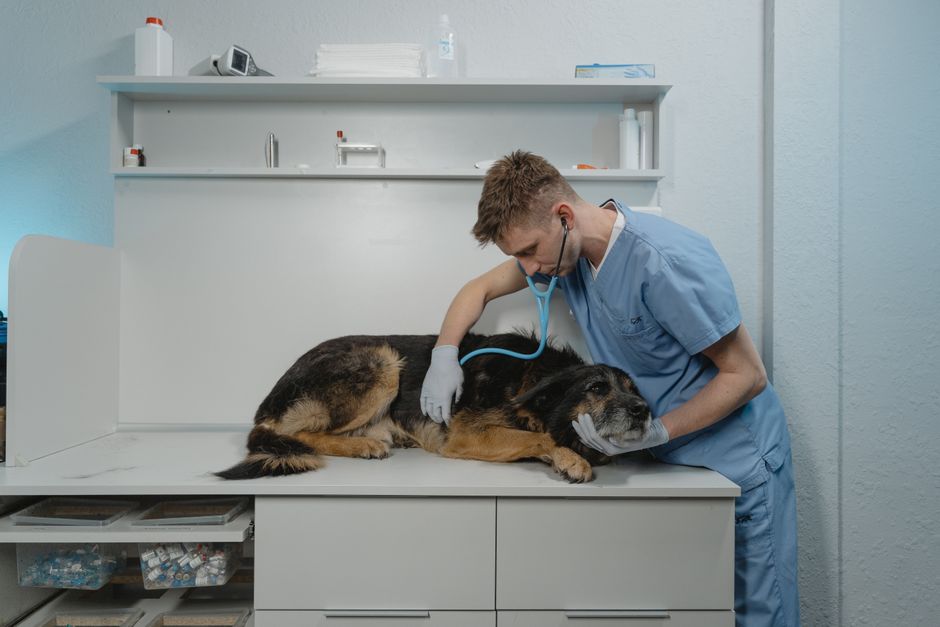
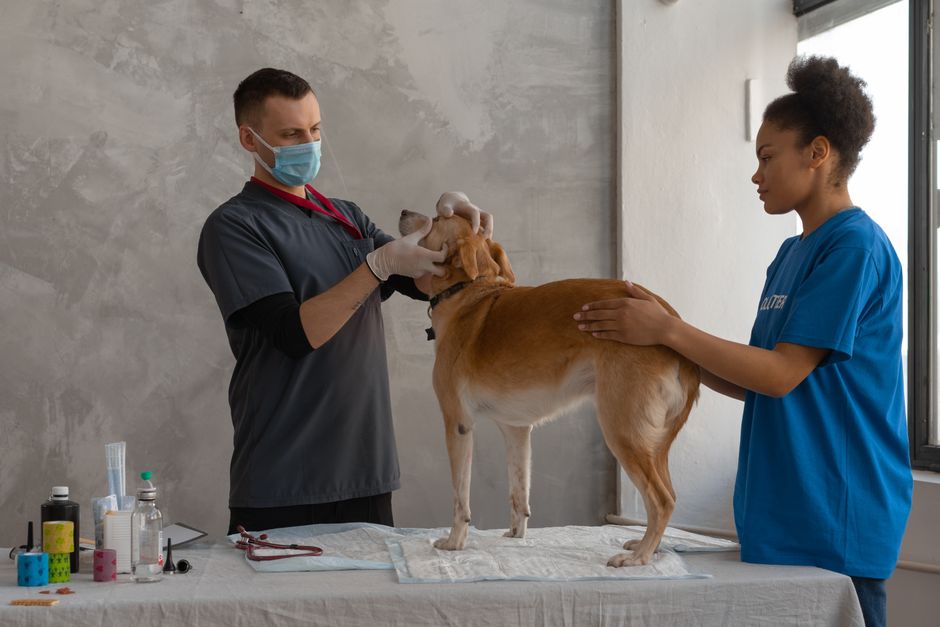
Regular veterinary care is essential for senior pets, but winter is an especially important time to keep up with wellness visits. At Companion Animal Clinic, our team of veterinarians offers comprehensive wellness examinations that are tailored to the unique needs of aging pets. During a winter wellness exam, we assess your pet’s mobility, weight, dental health, heart and kidney function, and any new or worsening symptoms.
For pets with chronic health conditions, our internal medicine expertise allows us to monitor and manage issues that may be aggravated by the season. Diagnostic tools like bloodwork and radiographs can help us detect problems early, such as changes in organ function or the progression of arthritis. If necessary, we can recommend pain management options, joint supplements, or adjustments to existing medications to help your pet feel their best.
Our veterinary professionals may discuss changes to your pet’s diet or exercise routine to address winter-related weight gain or muscle loss. Physical therapy, laser therapy, or other supportive treatments are sometimes beneficial for pets with mobility issues. For those with advanced needs, our internal medicine services and diagnostic laboratory capabilities ensure that your pet receives thorough and compassionate care throughout the winter months.
Dental and Skin Health
Dental health can impact your pet’s overall wellbeing, and issues like gum disease may worsen in the winter when immune defenses are lower. Our veterinarians can assess your pet’s oral health during a routine visit and provide recommendations for dental cleanings or at-home care. Dry winter air can also lead to flakes, itching, and cracked paw pads; we will evaluate your pet’s skin and coat and suggest moisturizers or topical therapies if needed.
Practical Home Care for Senior Pets During Iowa Winters
In addition to regular veterinary visits, there are several steps you can take at home to support your senior pet during the colder months. Ensuring your pet has a warm, draft-free place to sleep is crucial. Orthopedic or heated pet beds can be helpful for older animals with joint stiffness. Keeping walks shorter and closer to home on icy days can reduce the risk of slips and falls.
When going outside, consider a pet-safe, non-slip surface for entryways or steps, and dry your pet thoroughly after walks to prevent chills. For dogs, jackets or sweaters can provide extra warmth. Cats should remain indoors, especially in freezing temperatures. Maintaining a consistent, gentle exercise routine indoors helps keep your senior pet’s muscles strong and joints flexible.
Monitor your pet’s weight and appetite closely, as changes in metabolism and activity can lead to unwanted weight gain or loss. Offer fresh water at all times, since some pets may drink less in winter. If you use space heaters or fireplaces, ensure pets cannot get too close to avoid burns or dehydration. Humidifiers can help combat dry indoor air, easing respiratory discomfort and reducing skin irritation.
Keeping Your Pet Mentally Engaged
Mental stimulation is just as important as physical care in the winter. Puzzle feeders, interactive toys, and gentle play sessions can help keep your senior pet’s mind active. For pets that enjoy social interaction, spending quality time together can reduce boredom and prevent feelings of isolation.
When to Schedule a Veterinary Visit
Knowing when to seek professional veterinary care can make all the difference in your senior pet’s health. Schedule an appointment at Companion Animal Clinic if your pet experiences sudden behavioral changes, persistent pain or stiffness, difficulty breathing, unexplained weight loss or gain, changes in appetite or water intake, or any signs of illness such as vomiting, diarrhea, or coughing.
If your pet has a chronic health condition, more frequent check-ins during the winter months may be necessary to adjust medications or monitor for complications. Our team is here to help you navigate these decisions and provide guidance on what is normal aging versus when intervention is needed. Early detection of problems allows for more effective treatment and a better quality of life for your beloved companion.
For pet owners interested in a thorough evaluation of their senior dog or cat, consider our specialized senior pet care services. If you are ever unsure about a symptom or need advice on winter pet care, do not hesitate to call our veterinary professionals for support.
Your Partner in Senior Pet Wellness This Winter
Winter can be a challenging season for older pets, but with attentive care and the support of your local veterinary experts, your dog or cat can continue to thrive. At Companion Animal Clinic, our commitment to your pet’s comfort and health extends through every season. We encourage you to schedule a wellness examination or reach out for advice on managing chronic conditions, nutrition, mobility, or winter-specific concerns.
If you find yourself searching for a veterinarian near me, remember that our experienced team is just around the corner at 143 Dunn Street, Gilbert, IA 50105, proudly serving Gilbert and surrounding communities. To book your senior pet’s next checkup or to discuss any winter wellness questions, call us at (515) 233-6689 or visit our website to request an appointment. With a little extra care and attention, you and your senior pet can enjoy the winter season together—safe, warm, and well-supported.
This blog is intended for informational purposes only and should not replace professional veterinary advice. If you have concerns about your pet’s health, please contact our veterinary team for personalized recommendations.