What Companion Care Means for Your Pets and Livestock
What Companion Care Means for Your Pets and Livestock
Caring for animals is a lifelong commitment, whether you share your home with a playful puppy, a wise old cat, or you manage a flock of sheep or a herd of cattle on your farm. At Companion Animal Clinic in 143 Dunn Street, Gilbert, IA 50105, we understand that every animal—companion or livestock—relies on you for their wellbeing. That is why companion care is at the heart of everything we do, supporting the health of both household pets and farm animals throughout Gilbert and the surrounding communities. In this post, we’ll explore what comprehensive companion care means for your dogs, cats, and livestock, the vital role of preventive veterinary medicine, and how you can work with our veterinary team to ensure health and productivity year-round. We’ll also share practical tips for recognizing when your animal needs extra support, how to manage common health concerns, and the importance of regular checkups—whether you’re booking a wellness examination for your cat or scheduling a herd health visit for your cattle.
Recognizing When Companion Care Is Needed
For pet owners, signs that a dog or cat may require veterinary attention often include changes in appetite or thirst, lethargy, unexplained weight loss or gain, persistent coughing, vomiting, diarrhea, or signs of discomfort such as limping or excessive scratching. Dental issues can also be a concern, with symptoms including bad breath, difficulty eating, drooling, or pawing at the mouth. Regular monitoring of your pet’s behavior and routine is crucial because animals often hide pain or illness in the early stages.
On the farm, producers may notice different warning signs in livestock. Decreased feed intake, abnormal posture, coughing, lameness, unexpected changes in body condition score, reduced milk or egg production, and altered behavior within the herd or flock can all signal underlying health problems. During key seasons—such as calving, lambing, or weaning—producers should pay special attention to any animal struggling to keep up, as early intervention is critical for both animal welfare and economic sustainability. Whether you’re managing a group of goats or caring for a senior horse, companion care begins with recognizing subtle shifts in health and seeking veterinary guidance when concerns arise.
Understanding the Importance of Comprehensive Companion Care
Companion care goes beyond treating illness; it is about building a partnership with your veterinary team to ensure proactive, lifelong wellness for every animal under your care. For pets, this means annual wellness examinations, timely vaccinations, preventive dental cleanings, and ongoing support for chronic conditions. Each of these elements plays a role in maintaining your animal’s quality of life and longevity.
For livestock, comprehensive care includes herd health planning, vaccination protocols tailored to your operation’s unique risks, reproductive monitoring, and strategies for parasite control. Production animals benefit tremendously from routine evaluations, which help producers identify and address issues before they impact productivity or animal welfare. By working with veterinarians who understand both companion animal care and the demands of farm management, you ensure not only healthier animals, but also the long-term success of your operation.
Common Causes of Health Issues in Pets and Livestock
Many of the health problems we see in pets and livestock stem from preventable sources. In dogs and cats, oral disease is one of the most common issues, with plaque buildup leading to gingivitis, tooth loss, and even systemic illness if left untreated. Lifestyle factors such as poor diet, lack of exercise, and environmental stressors can contribute to obesity, diabetes, arthritis, and behavioral problems.
Livestock face their own challenges, often related to nutrition, housing, and environmental exposure. Inadequate mineral balance can cause metabolic disorders in cattle and sheep, while poor biosecurity may increase the risk of infectious diseases spreading through a herd or flock. Parasite pressure, especially during warm, wet periods in Iowa, can lead to weight loss, anemia, and reduced productivity if not properly managed. Recognizing these risk factors and working with your veterinarian to address them is central to effective companion care, whether in the home or on the farm.
Professional Veterinary Treatment and Management
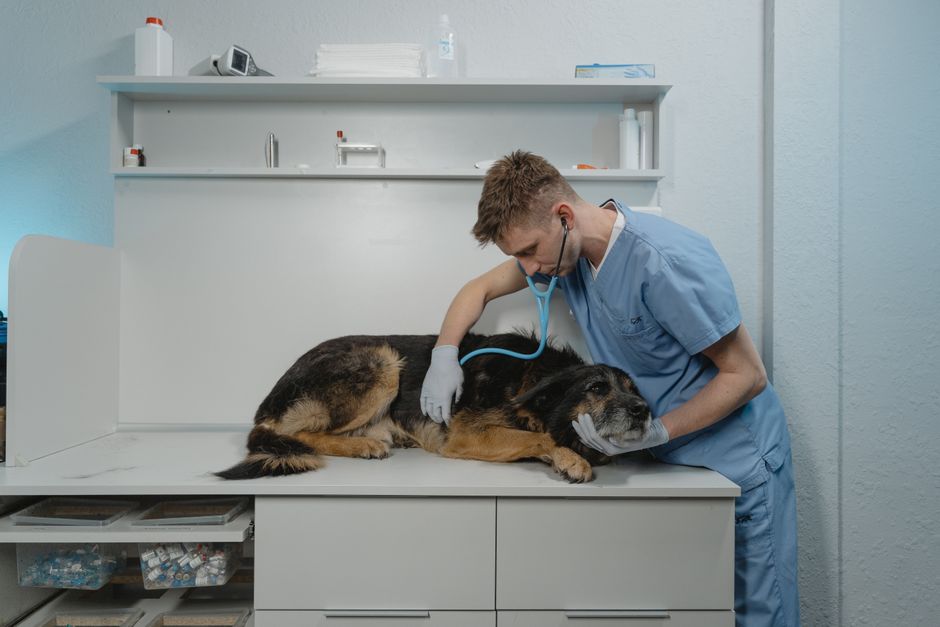
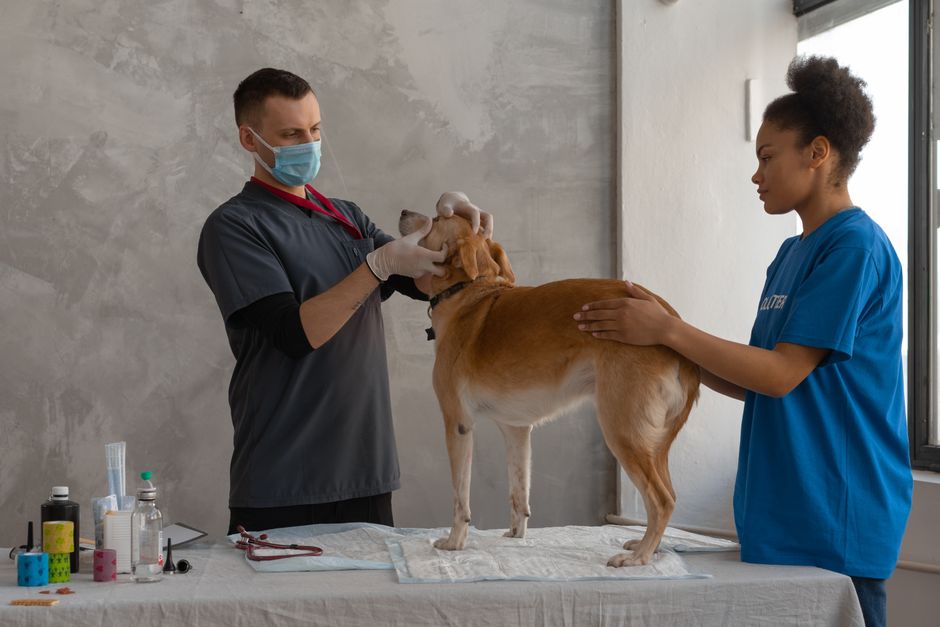
At Companion Animal Clinic, our veterinary team is dedicated to providing tailored companion care to meet the unique needs of each animal. For household pets, treatment approaches include comprehensive wellness examinations, parasite screenings, and dental cleanings—services that are essential for both prevention and early detection of disease. For example, a wellness examination allows us to assess your pet’s health from nose to tail, discuss nutrition and behavior, and develop a personalized care plan. Should your dog or cat require further diagnostics, we offer pet diagnostic lab services, digital radiology, and advanced surgical options.
Livestock and equine owners can rely on our mixed animal experience for herd health planning, vaccination programs, reproductive evaluations, and emergency care during calving or foaling season. Our veterinarians provide guidance on biosecurity, parasite control, and nutrition, all of which are vital for animal health and the economic success of your operation. We also support producers with strategies for managing chronic issues like lameness, mastitis, and respiratory disease, helping to maintain animal comfort and productivity.
When more advanced care is needed, such as surgical intervention or internal medicine support, our clinic is equipped to handle complex cases. Whether your goat needs a routine check or your family dog requires a dental procedure, our goal is to ensure every animal receives the highest standard of companion care.
Preventive Care: Protecting Animal Health Year-Round
Prevention is the cornerstone of companion care for both pets and livestock. For dogs and cats, this means scheduling regular wellness visits, maintaining up-to-date vaccinations, and incorporating dental care into your home routine. Simple steps such as brushing your pet’s teeth, providing balanced nutrition, ensuring regular exercise, and keeping parasite preventives current can have a significant impact on their long-term health.
On the farm, prevention involves developing herd health protocols in consultation with your veterinarian. This includes timely immunizations, strategic deworming, and regular monitoring for early signs of disease or nutritional deficiencies. In Iowa, seasonal changes can bring new challenges—spring and summer may increase parasite loads, while winter requires attention to shelter and nutrition. Producers should also prioritize biosecurity to minimize the introduction and spread of infectious diseases, especially when bringing in new animals or during busy seasons like breeding or weaning.
By adopting a preventive approach and partnering with a veterinary team experienced in mixed animal care, both pet owners and producers can catch problems early, minimize costly treatments, and ensure animals thrive year after year.
When to Seek Veterinary Care
Knowing when to reach out for professional support is a vital part of responsible animal ownership and management. For pet owners, prompt veterinary attention is warranted if your dog or cat shows signs of persistent vomiting or diarrhea, difficulty breathing, sudden lameness, unexplained weight loss, or changes in behavior that last more than a day or two. Dental problems, such as broken teeth, bleeding gums, or reluctance to eat, also require prompt evaluation. If you are uncertain whether a problem is serious, scheduling a wellness examination can provide peace of mind and help catch issues before they become urgent.
For livestock and horse owners, immediate veterinary consultation is recommended for animals that are off feed, show signs of colic or severe lameness, are having trouble calving or lambing, or display sudden changes in condition. Producers should not hesitate to contact their veterinary team if an infectious disease is suspected within the herd or flock, or if multiple animals are affected by similar symptoms. Timely intervention can prevent larger outbreaks and safeguard the entire operation.
At Companion Animal Clinic, we encourage all animal owners—whether you care for a beloved cat or manage a herd of cattle—to trust your instincts and reach out whenever you notice something out of the ordinary. Early communication with your veterinary team can make all the difference in your animal’s outcome.
Partnering with Your Veterinary Team for Lifelong Companion Care
Comprehensive companion care is a collaborative effort. Our veterinarians work closely with pet owners to develop preventive care plans, monitor chronic conditions, and support you through every stage of your animal’s life. For producers and horse owners, we offer guidance on herd or stable management, reproductive health, and strategies for maximizing productivity while maintaining animal welfare. By building a long-term relationship with your veterinary team, you benefit from personalized advice, up-to-date medical recommendations, and the confidence that comes from knowing your animals are in good hands.
We understand that every animal—whether they greet you at the door or wait for you in the pasture—brings unique challenges and rewards. Our mission at Companion Animal Clinic is to support you at every step, helping your animals live healthier, happier lives.
Your Next Steps: Ensuring Quality Companion Care in Gilbert, IA
Whether you are scheduling a checkup for your dog, seeking guidance on herd health, or have questions about preventive care for your barn cats, Companion Animal Clinic in 143 Dunn Street, Gilbert, IA 50105 is here to help. Our experienced veterinary team serves both pets and livestock across Gilbert and neighboring communities, offering the full spectrum of companion care for every species under your care. If you are searching for a veterinarian near me who understands the needs of both household pets and farm animals, look no further.
To schedule an appointment or discuss your animal’s health, call us at (515) 233-6689. You can also explore our website for more information about wellness examinations, diagnostic lab services, and vaccination programs. Our veterinary professionals are committed to providing the highest standard of care, supporting you and your animals every step of the way.
For all your companion care needs—whether at home, in the barn, or out in the pasture—trust Companion Animal Clinic to be your partner in animal health.