What Makes a Great Companion Vet Clinic in Iowa?
What Makes a Great Companion Vet Clinic in Iowa?
Choosing a veterinary clinic is a decision that impacts not only your dog or cat, but also, for many in rural Iowa, your livestock, horses, or small ruminants. Whether you are a family looking for the best care for your pets, or a producer who occasionally needs veterinary support for your herd or flock, finding a trusted, comprehensive companion vet clinic in Gilbert, IA can offer peace of mind and reliable care. The team at Companion Animal Clinic, located at 143 Dunn Street, Gilbert, IA 50105, understands the unique needs of both pet owners and producers in the local community. In this guide, we will explore the hallmarks of an exceptional mixed-animal practice, from the depth of services offered to the importance of compassionate veterinary professionals and their role in keeping animals healthy across all species.
We will discuss how to recognize a quality veterinary clinic, what services to expect for both small animals and livestock, and how preventive care programs benefit everyone—whether your animal is on the couch, in the kennel, or out in the barn. If you have ever wondered what sets a great companion vet clinic apart in Iowa, read on for practical insights and actionable advice designed for the realities of life in and around Gilbert.
Recognizing the Signs You Need a Trusted Companion Vet Clinic
No matter your animal’s species, there are times when expert veterinary care is essential. For pet owners, this might mean noticing your dog is suddenly lethargic, your cat is avoiding food, or you spot tartar buildup on their teeth. For producers or horse owners, signs such as lameness in a gelding, decreased milk production in a dairy goat, coughing calves, or an ewe that is slow to rise after lambing all indicate it is time to consult a veterinarian.
Common situations that call for a visit to your companion vet clinic include persistent vomiting or diarrhea, unexplained weight loss or gain, difficulty breathing, or visible injuries. For livestock, additional warning signs might involve abnormal behavior at feeding, sudden drop in milk yield, or signs of infectious disease within the herd. Horses may present with symptoms like colic, swelling of joints, or changes in gait. Regardless of the species, the underlying theme is change—when an animal’s behavior, appetite, or appearance shifts, seeking professional advice early can prevent more serious health problems.
Why Do These Issues Occur? Understanding the Causes Across Species
Health concerns in animals can arise from a variety of factors. For dogs and cats, common causes include dietary indiscretion, dental disease, infectious agents like parvovirus, genetic predispositions, and age-related changes such as arthritis or declining organ function. In livestock and equine species, causes often relate to environmental stressors—weather fluctuations, nutrition imbalances, parasite burdens, and biosecurity lapses can all contribute to outbreaks of illness or reductions in productivity.
For instance, cattle may struggle with respiratory disease during Iowa’s damp spring or dusty fall, while sheep and goats may face parasite challenges after periods of heavy rain. Horses are prone to colic if their feeding routine changes or if they ingest sand while grazing. Recognizing the underlying causes often requires both veterinary expertise and a thorough understanding of the animal’s daily environment, which is why mixed-animal clinics are so valuable in rural communities.
Comprehensive Veterinary Care: What to Expect from a Mixed-Animal Clinic
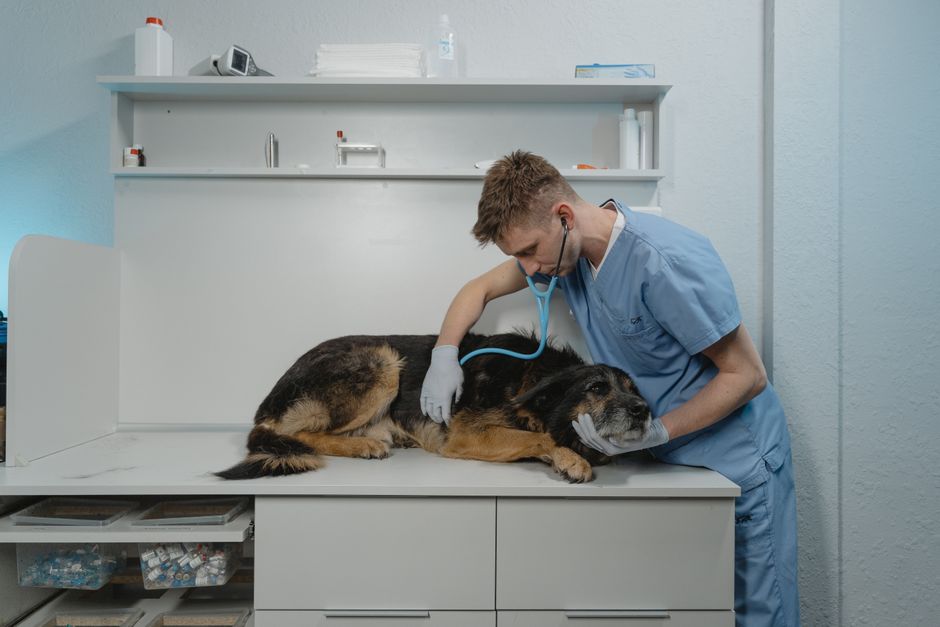
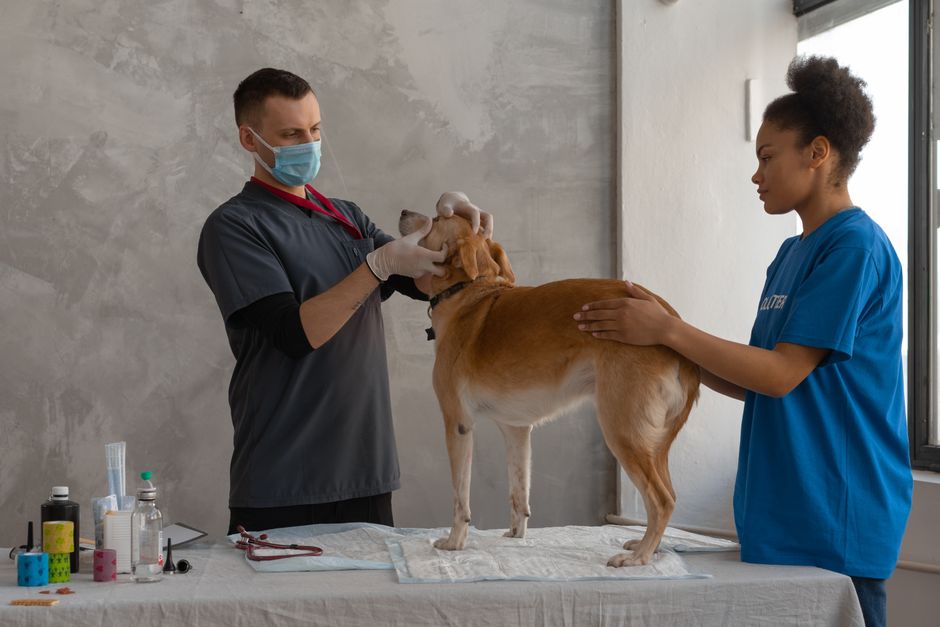
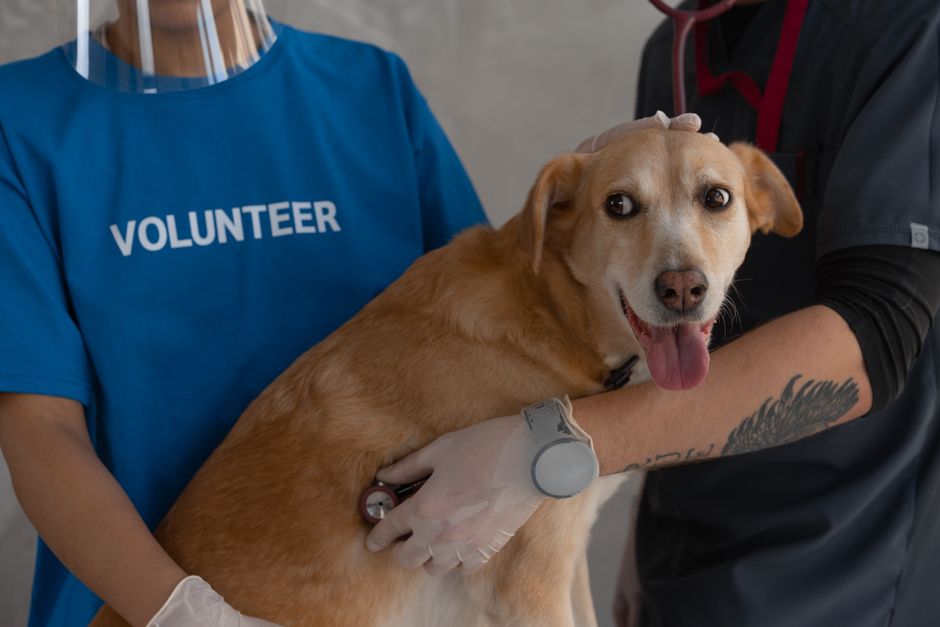
One of the defining features of a great companion vet clinic is its ability to provide a wide range of veterinary services. At Companion Animal Clinic, our team of veterinarians delivers care for dogs and cats, but also extends support to producers and horse owners with occasional needs for livestock and equine attention. Services for companion animals include routine examinations, pet dental cleanings, vaccinations, internal medicine, and surgical procedures, as well as management of chronic conditions and urgent care when unexpected issues arise.
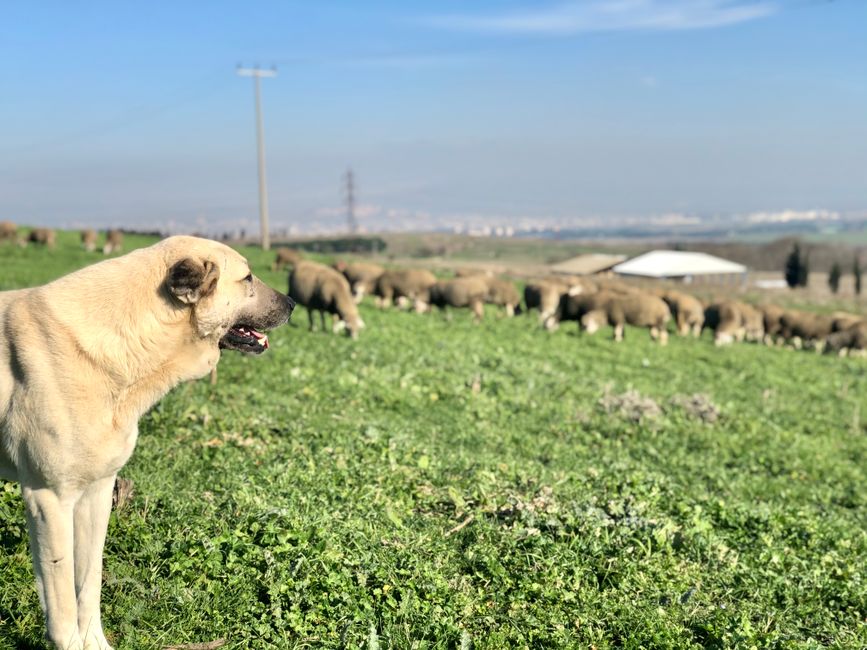
For livestock and horses, the clinic can address needs such as wound management, lameness evaluations, reproductive exams, and basic herd health consultations. The ability to move seamlessly between species, while maintaining a high standard of care, is what sets a mixed-animal practice apart. The veterinary team’s experience with everything from pet dental health to livestock biosecurity challenges means that you can rely on consistent, knowledgeable support—no matter what kind of animal you bring in.
Preventive Health Programs
Preventive care is just as vital for livestock and horses as it is for household pets. Regular vaccination schedules, parasite control protocols, and routine health checks all help prevent disease outbreaks and costly losses. For pet owners, this might involve annual wellness visits, dental assessments, and heartworm testing. For producers, it means implementing vaccination plans for calves, biosecurity measures for the flock, and seasonal checkups to prepare for calving or lambing. The veterinary professionals at Companion Animal Clinic are committed to helping both owners and producers build preventive care routines that fit the unique demands of their animals and operations.
What Can You Do at Home or on the Farm to Support Animal Health?
While professional veterinary care is irreplaceable, there are several proactive steps you can take to support the health of your animals. For pet owners, simple actions such as monitoring your pet’s appetite, maintaining dental hygiene, providing regular exercise, and keeping up with scheduled vaccinations make a significant difference. Inspect your pet’s teeth for tartar or bad breath, ensure fresh water is always available, and check for any changes in coat or skin.
Producers and horse owners can focus on maintaining clean barns, providing balanced nutrition, observing animals at feeding time for early signs of illness, and practicing sound biosecurity. For example, isolating new arrivals, cleaning water troughs regularly, and rotating pastures to manage parasite loads are effective preventive steps. In horses, regular hoof care, dental floats, and monitoring for colic after changes in weather or feed help prevent serious issues.
When considering at-home or on-farm care, it is important to remember that while these steps are valuable, they do not replace professional veterinary evaluation when a problem arises. If you notice persistent coughing in a group of calves, lameness in your horse, or a cat that refuses to eat, reaching out to your trusted companion vet clinic is the best course of action.
When to Contact Your Local Companion Vet Clinic
Knowing when to seek veterinary care can make all the difference in your animal’s recovery and long-term health. For pets, situations that require immediate attention include difficulty breathing, collapse, uncontrolled bleeding, or suspected poisoning. For livestock and horses, emergencies include severe lacerations, inability to rise, signs of acute colic, or outbreaks of diarrhea that affect multiple animals. Additionally, any time an animal is not eating, seems unusually withdrawn, or shows a rapid change in condition, prompt professional evaluation is warranted.
For less urgent concerns such as mild lameness, skin issues, or routine vaccinations, scheduling an appointment allows the veterinary team to provide thorough, individualized care. If you are ever unsure, the best approach is to call your veterinarian and describe the situation. The team at Companion Animal Clinic is always ready to advise whether an in-clinic visit or an on-farm consultation is appropriate for your needs.
The Value of Community-Focused, Mixed-Animal Veterinary Care
A top companion vet clinic in Iowa is distinguished not only by its broad services, but by its commitment to building relationships with both pet owners and producers. In smaller communities like Gilbert, having a veterinary team that understands the needs of families, hobby farmers, and professional operators alike is invaluable. The ability to care for a limping dog, a colicking mare, or a sick goat all under one roof speaks to a deep level of experience and adaptability.
Furthermore, the connection between veterinary professionals and the community fosters trust and encourages proactive health management. Whether you’re preparing your herd for calving, seeking advice on new puppy care, or needing a dental cleaning for your cat, a mixed-animal clinic offers a one-stop solution. The team’s familiarity with local disease risks, climate challenges, and seasonal animal health patterns ensures your animals receive care tailored to their environment.
Take the Next Step: Contact Your Local Companion Vet Clinic in Gilbert, IA
If you are searching for a “vet near me” who can care for both your family pets and your farm animals, look no further than Companion Animal Clinic in Gilbert. Our veterinary professionals are dedicated to providing comprehensive, compassionate care for dogs, cats, livestock, and horses alike. From routine vaccinations and pet dental cleanings to urgent medical needs and preventive herd health, we are here to support the wellbeing of every animal in your life.
To schedule an appointment or discuss your animal’s needs, call (515) 233-6689 or visit us at 143 Dunn Street, Gilbert, IA 50105. For a complete list of our services, you can also visit our veterinary services page. At Companion Animal Clinic, we are proud to be your trusted companion vet clinic in Gilbert and surrounding communities—helping you keep every animal healthy, happy, and thriving.
This blog is intended for informational purposes only and does not replace professional veterinary advice. If your animal is experiencing an emergency or sudden change in health, contact your veterinarian immediately.