What Sets an Animal Clinic Apart for Pets and Livestock
What Sets an Animal Clinic Apart for Pets and Livestock
Choosing the right animal clinic is a major decision, especially for families and producers in Gilbert, IA, who care for both beloved pets and valuable livestock. Whether you’re a pet owner with a new puppy, a producer tending to a herd of cattle or sheep, or someone who cares for both at home and on the farm, it’s important to find a veterinary team that truly understands the needs of all your animals. At Companion Animal Clinic, located at 143 Dunn Street, Gilbert, IA 50105, we’re proud to be the trusted animal clinic for pets and livestock in Gilbert and surrounding communities. In this post, we’ll explore what makes a mixed-animal clinic unique, how modern diagnostics benefit every species, and why a single, local veterinary partner can make life easier for households and operations alike.
Recognizing When Your Animal Needs a Mixed-Animal Clinic
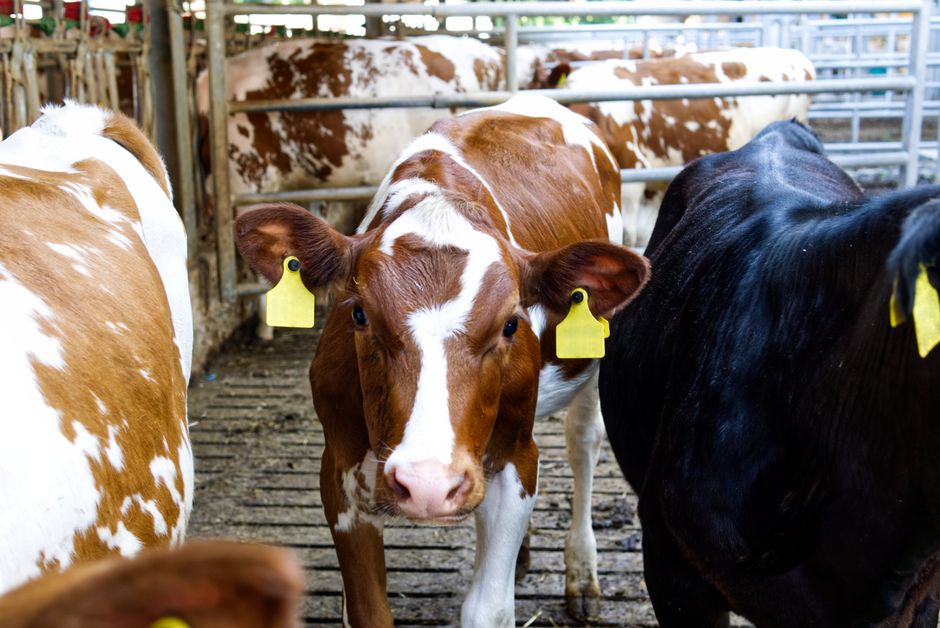
Pet owners and producers alike often wonder when it’s best to visit an animal clinic that serves both pets and livestock, instead of a species-specific facility. Some signs make it clear that a comprehensive approach is the right fit. For pets, symptoms such as lethargy, sudden changes in appetite, coughing, limping, or dental issues are common reasons to schedule a visit. For livestock, producers may notice decreased feed intake, lameness in cattle or sheep, unusual behaviors in goats, or health concerns during critical times such as calving, lambing, or seasonal herd checks. Horses may show signs like reluctance to move, nasal discharge, or changes in body condition.
Situations that cross species lines, such as zoonotic disease concerns or new animals introduced to a farm with both pets and livestock, can benefit greatly from a team that understands the health dynamics of multiple animal types. The ability to recognize early warning signs in both companion and farm animals means that the right animal clinic can intervene before minor issues become major health concerns.
Why a Mixed-Animal Clinic Matters: Unique Needs and Care Approaches
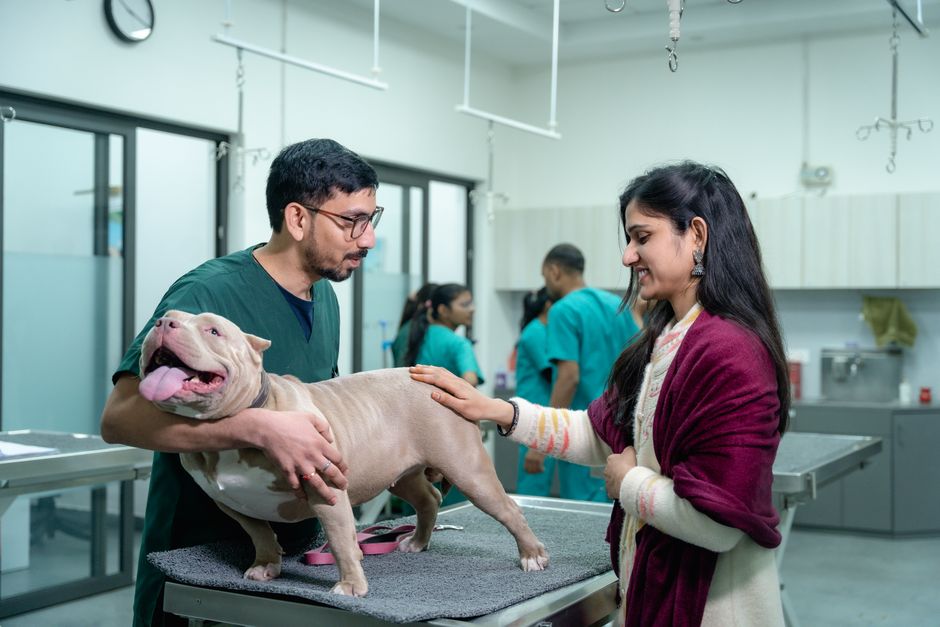
A mixed-animal clinic brings together broad expertise and flexible resources. For pet owners, this means comprehensive wellness care, dental cleanings, and prompt responses to urgent needs. For producers, it ensures access to routine herd health checks, reproductive evaluations, and support for biosecurity measures. Dr. Tammy L. Kersting and the veterinary professionals at Companion Animal Clinic are trained to transition seamlessly between the needs of a family dog and the management of a group of goats or cows.
The value of a mixed-animal clinic is especially clear during seasonal shifts common in Iowa. In the spring, horses may require dental floats and vaccinations; at the same time, cattle herds are moving through calving or early pasture turnout, with increased risk of infectious disease. Dogs and cats might face seasonal allergies or tick-borne illnesses as the weather warms. With a team experienced in all of these areas, you receive coordinated advice for your entire animal family—no need to shuttle between multiple clinics.
The ability to offer internal medicine services for diagnosing complex health concerns benefits both pets and livestock. For example, diagnostic testing for unexplained weight loss or chronic coughing can apply to dogs, cats, or even small ruminants, with adjustments for species-specific differences.
Comprehensive Diagnostics: Modern Tools for All Species
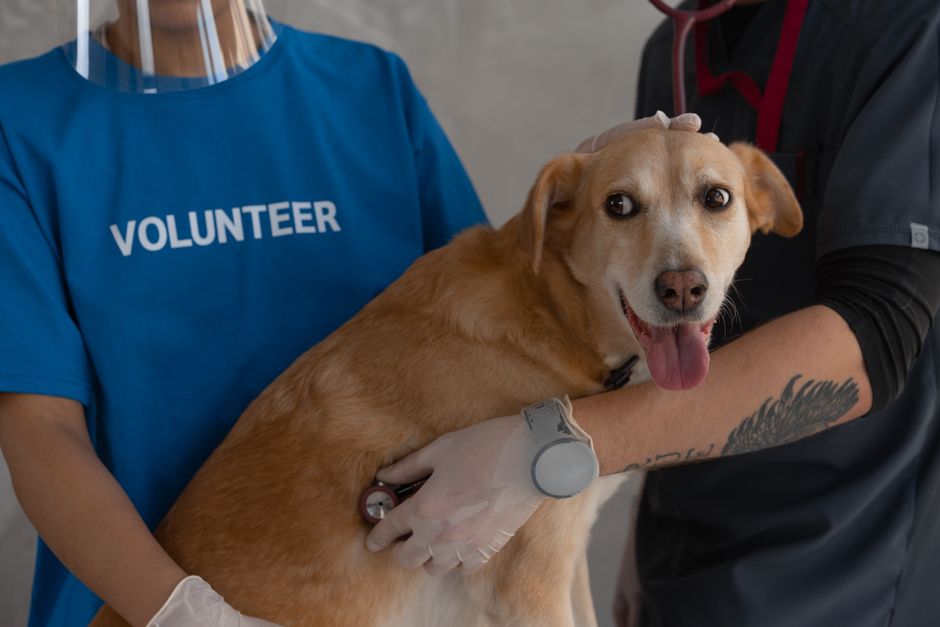
Modern veterinary medicine has transformed the care that animal clinics can provide. At Companion Animal Clinic, our investment in advanced diagnostics benefits every patient, whether they walk on paws, hooves, or trot into the barn. Our pet diagnostic laboratory enables rapid bloodwork and analysis, supporting timely decisions for both sick pets and livestock during herd checks.
Digital radiology allows for clear imaging of lameness problems in horses, injuries in dogs, or respiratory issues in calves. When a sheep presents with unexplained weight loss or a cat is limping, digital X-rays can help pinpoint the cause efficiently. For reproductive or internal concerns, veterinary ultrasound services offer noninvasive evaluation, whether it’s monitoring a pregnant mare or investigating abdominal pain in a dog.
By maintaining access to these advanced tools, our animal clinic provides the kind of thorough diagnostic work-up that leads to more accurate diagnoses, faster treatment, and better outcomes for every species we serve.
Treatment and Management: Tailored Care for Pets and Livestock
Every animal deserves a treatment plan designed for its unique needs. For pets, treatment options might include medications for infections, dental procedures, or surgical intervention for injuries or masses. For livestock and horses, the focus often expands to include herd-level management, vaccination protocols, parasite control, and reproductive support.
When a dog or cat faces a complex health issue, our veterinary surgical team offers procedures ranging from mass removals to internal surgery, always with a focus on minimizing discomfort and supporting recovery. In livestock, surgical interventions may include procedures like C-sections in cattle or laceration repairs in goats, all performed with attention to animal welfare and producer needs.
For both pets and livestock, our animal clinic emphasizes clear communication. We guide you through treatment options, expected outcomes, and follow-up care, whether you’re scheduling a dental cleaning for your cat or addressing lameness in a sheep. Our team is committed to evidence-based medicine and practical solutions that respect your goals—whether it’s maximizing your dog’s comfort at home or ensuring the health and productivity of your operation.
Prevention and Home/Farm Care: Keeping Every Animal Healthy
Preventing illness is always more effective—emotionally and financially—than treating advanced disease. For pet owners, this means regular wellness examinations, up-to-date vaccinations, year-round parasite control, and routine dental care. Steps such as monitoring your dog’s weight, keeping cats indoors during extreme weather, and scheduling annual checkups can extend the quality and length of your pet’s life.
For producers and horse owners, prevention focuses on seasonal herd health checks, vaccination schedules tailored to local disease risks, maintaining clean water sources, and monitoring body condition scores throughout the year. Early intervention during calving or lambing season, consistent parasite control, and biosecurity protocols help protect livestock from costly outbreaks. Our team can help design herd management plans and recommend strategies to reduce stress and illness in barns and pastures.
Education is a key part of prevention. We’re always available to answer questions about diet, exercise, housing, and health monitoring for all species under your care. By taking a proactive approach, you can minimize emergencies and ensure that your entire animal family thrives.
When to Seek Professional Veterinary Care
While many health issues can be managed at home or on the farm, there are clear times when a visit to your local animal clinic is essential. For pets, urgent warning signs include persistent vomiting or diarrhea, sudden collapse, difficulty breathing, or suspected poisoning. For livestock and horses, emergency situations might involve calving difficulties, severe lameness, or sudden changes in behavior or appetite affecting multiple animals.
If you’re ever unsure whether an issue requires immediate attention, our veterinary team is ready to advise you. We encourage you to call (515) 233-6689 if you notice any concerning symptoms in your animals. Timely intervention can make all the difference, both for beloved pets and for the productivity and welfare of your herd or flock.
It’s always better to err on the side of caution. If your pet or livestock seems “off,” a quick check by our experienced veterinarians can catch problems before they escalate. For those searching for a “vet near me” who can handle everything from puppy wellness visits to herd health emergencies, Companion Animal Clinic is here to help.
The Local Advantage: Why Choose Companion Animal Clinic in Gilbert, IA
Having a single, trusted animal clinic that understands both your pets and your farm animals brings peace of mind and practical benefits. At Companion Animal Clinic, we’re deeply rooted in the Gilbert community and understand the challenges unique to our region—from changing seasons to local disease pressures. Our team is committed to continuing education and invests in the latest technology to provide the best care possible for every animal we see.
We welcome the opportunity to get to know you, your animals, and your goals—whether you’re managing a busy household, a growing herd, or both. Our comprehensive approach means you can expect continuity of care, coordinated health plans, and a veterinary team that values your trust.
Take the Next Step: Schedule Comprehensive Mixed-Animal Care Today
The right animal clinic does more than treat illness; it partners with you to support the health and happiness of all your animals, from cats and dogs to cattle, goats, sheep, and horses. If you’re located in Gilbert or the surrounding communities and want the convenience, expertise, and peace of mind that comes from a full-service, mixed-animal clinic, we invite you to experience the difference at Companion Animal Clinic.
To schedule an appointment for your pet, arrange a herd health check, or discuss a health concern with our veterinary professionals, contact us at (515) 233-6689 or stop by 143 Dunn Street, Gilbert, IA 50105. Our team is here to answer your questions, provide guidance, and support you as a trusted “vet near me” for pets and livestock alike. For more information about our services, including wellness examinations and internal medicine, visit companionanimalcliniciowa.com.
Let Companion Animal Clinic be your partner in animal health—because caring for every member of your animal family is what sets us apart.