What to Expect with Bladder Stone Surgery for Pets at Our Iowa Clinic
What to Expect with Bladder Stone Surgery for Pets at Our Iowa Clinic
Bladder stones can cause significant pain and discomfort for pets, often leading to urinary accidents, frequent bathroom trips, or even more serious health complications. If you have noticed signs of urinary trouble in your dog or cat, you might be researching bladder stone surgery for pets in Gilbert, IA or searching for guidance from a trustworthy veterinary team. At Companion Animal Clinic, located at 143 Dunn Street, Gilbert, IA 50105, we understand how distressing it can be when your furry friend is in discomfort. Our compassionate veterinarians are here to answer your questions, walk you through the surgical process, and support your pet from diagnosis to recovery and beyond.
In this blog, we will help you recognize symptoms that may point to bladder stones, explain why and how these stones develop, outline what you can expect before, during, and after bladder stone surgery for pets, and discuss important steps for aftercare and prevention. We will also share when to seek veterinary surgery in Gilbert, IA and how our veterinary professionals partner with you every step of the way. If you are searching for a “vet near me” who offers advanced surgical and preventive care, our clinic is dedicated to serving families in Gilbert and surrounding communities. To learn more about how we approach these procedures, you can visit our bladder stone surgery information page.
Recognizing the Signs: When Your Pet Might Need Bladder Stone Surgery
Early detection is key when it comes to urinary problems in pets. Recognizing the symptoms of bladder stones can help you take prompt action and prevent more severe complications. Common signs that may indicate your pet is suffering from bladder stones include straining or difficulty urinating, frequent attempts to urinate with little output, blood in the urine, urinating in unusual places, licking the urinary opening, and signs of pain such as vocalizing or restlessness. In some cases, you might notice your pet having urinary accidents indoors, showing signs of abdominal discomfort, or appearing more lethargic than usual.
It is important to understand that while these symptoms may sometimes be associated with urinary tract infections or other disorders, they often overlap with those seen in pets suffering from bladder stones. If your dog or cat displays any of these behaviors, especially if the symptoms are persistent or worsening, seeking veterinary surgery in Gilbert, IA may be warranted. Our veterinary team can perform a thorough physical examination and diagnostic imaging to determine the presence of bladder stones and help you make informed decisions about your pet’s health.
Understanding the Causes: Why Do Pets Develop Bladder Stones?
Bladder stones, also known as uroliths, can form in both dogs and cats due to a combination of genetic, dietary, and environmental factors. Certain breeds are predisposed to developing stones, while others may be affected by underlying health conditions or dietary imbalances. The most common reasons for stone formation include an improper balance of minerals in the urine, chronic urinary tract infections, insufficient water intake, and specific metabolic or hereditary concerns.
Stones develop when minerals, such as struvite, calcium oxalate, or urate, crystallize and clump together in the bladder. Over time, these crystals can grow into larger stones, causing irritation and obstructing normal urine flow. Regional factors like the water hardness in Iowa or seasonal temperature changes that influence hydration can also play a role. At Companion Animal Clinic, we take a comprehensive approach to identifying the underlying cause of bladder stones, which allows us to tailor treatment and prevention strategies to each pet’s unique needs.
What to Expect: The Bladder Stone Surgery Process for Pets
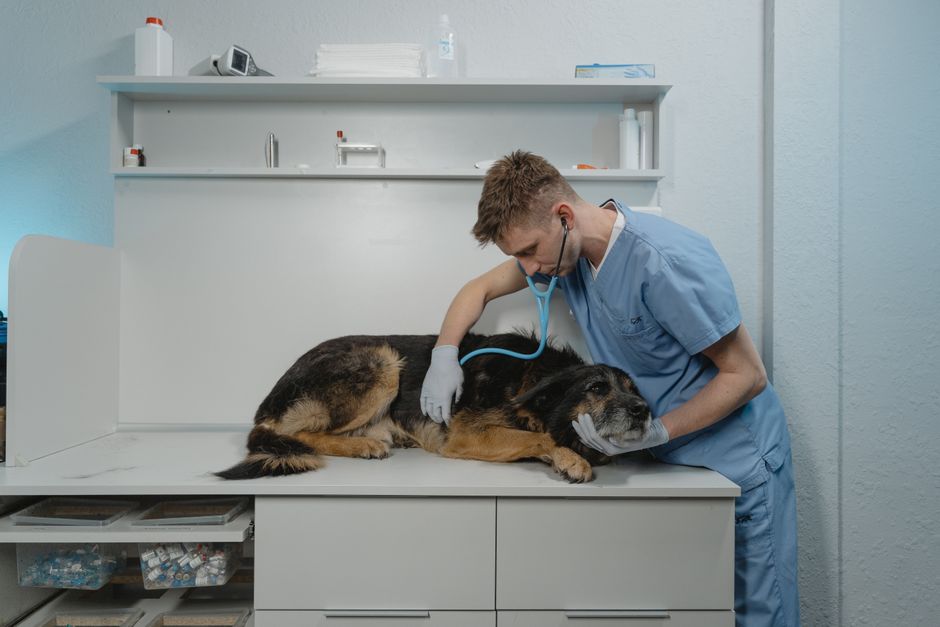
When your pet needs bladder stone surgery, our goal at Companion Animal Clinic is to provide a safe, comfortable, and successful experience from start to finish. The process begins with a detailed consultation, where our veterinary professionals review your pet’s medical history, perform a physical examination, and conduct necessary diagnostic tests such as X-rays or ultrasound to confirm the presence, size, and location of stones.
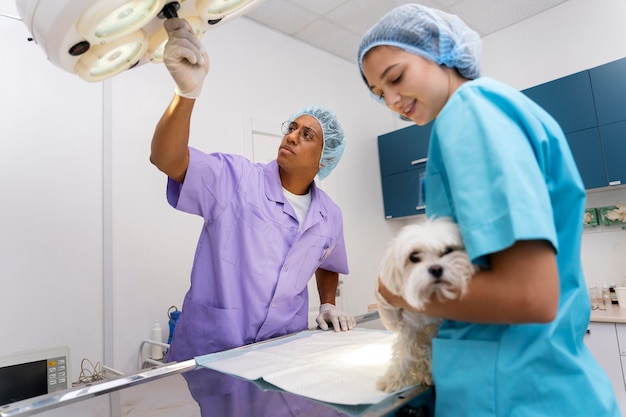
If surgery is recommended, we will explain every step of the procedure and answer any questions you have. The surgery itself, known as a cystotomy, involves making a small incision in the bladder to remove the stones. Our veterinarians use advanced techniques to minimize discomfort and speed recovery. Throughout the procedure, your pet is closely monitored with state-of-the-art equipment to ensure their safety.
After surgery, your pet will be cared for in a quiet, comfortable environment as they wake from anesthesia. Pain management, fluids, and monitoring for complications are provided as standard care. Most pets are able to return home within a day or two, although the exact timeline depends on individual recovery and the complexity of the case.
For more details on the range of surgical solutions we offer, you can visit our overview of veterinary surgical services or explore our expertise in internal surgical procedures for pets. Our veterinary surgery in Gilbert, IA is designed to support your pet with compassionate and comprehensive care at every stage.
What Recovery Looks Like After Bladder Stone Surgery
The recovery phase is an essential part of your pet’s return to health. Most pets experience some mild discomfort or fatigue in the first 24-48 hours following surgery. Our veterinary professionals will provide detailed at-home care instructions, including proper medication administration, wound monitoring, and dietary recommendations to support healing. You might be asked to limit your pet’s activity for a week or two and encourage gentle, supervised walks for dogs or create a quiet, contained resting area for cats.
It is important to watch for signs of complications, such as difficulty urinating, incontinence, swelling at the incision site, loss of appetite, or continued blood in the urine. If you notice any of these symptoms or have concerns about your pet’s recovery, promptly reach out to our clinic for guidance. Our role as your “quality vet near me” extends far beyond the operating room; we are here to help you navigate every aspect of your pet’s healing process.
Preventing Bladder Stones: Steps Pet Owners Can Take
While some pets are genetically predisposed to bladder stones, there are proactive steps you can take to lower your pet’s risk. These steps include providing a well-balanced, veterinarian-recommended diet, ensuring your pet has access to fresh water at all times, and encouraging regular bathroom breaks or litter box use. For pets with a history of urinary issues, prescription diets formulated to reduce stone-forming minerals may be recommended by our veterinarians.
Regular wellness examinations and urinalysis are essential for early detection of urinary abnormalities. If your pet is prone to forming stones, we may recommend periodic imaging or in-clinic testing to monitor their urinary health. Maintaining a healthy weight, managing underlying medical conditions, and minimizing stress in your pet’s environment can also make a difference.
Our team is always available to help you develop a preventive care plan tailored to your pet’s needs, whether you are in Gilbert or searching for veterinary services near me for ongoing support.
When to Seek Veterinary Care for Urinary Issues
Prompt veterinary attention is crucial whenever you notice changes in your pet’s urination habits, blood in the urine, straining, or signs of pain. Complete urinary blockage is a medical emergency that can quickly become life-threatening, especially in male cats and small dogs. Warning signs of a blockage include repeated unsuccessful attempts to urinate, crying out in pain, vomiting, or collapse. If you observe these symptoms, contact our veterinarians immediately.
For less urgent symptoms, such as occasional accidents or mild discomfort, scheduling an appointment with our team for a thorough evaluation is the best course of action. Our veterinary surgery in Gilbert, IA is designed to address both emergency and routine surgical needs, ensuring your pet receives timely and effective care.
If you are unsure whether your pet’s symptoms warrant a visit, it is always better to err on the side of caution and consult with our veterinary professionals. Our commitment is to provide clear guidance and compassionate care so you never have to navigate your pet’s health concerns alone.
Supporting Your Pet’s Health: Compassionate Care from Consultation to Recovery
Bladder stone surgery for pets can feel overwhelming, but having a trusted veterinary team by your side makes all the difference. At Companion Animal Clinic, we are dedicated to providing advanced veterinary surgery in Gilbert, IA while building long-term relationships with families throughout Gilbert and surrounding communities. Our veterinarians are committed to clear communication, thorough follow-up, and ongoing preventive care tailored to your pet’s unique needs.
If your pet is showing signs of urinary trouble or you have questions about bladder stone surgery, we invite you to schedule an appointment with our experienced team. You can learn more about our bladder stone surgery services or explore our comprehensive surgical offerings for peace of mind. For those searching for a “vet near me” with the expertise and compassion to guide you through every stage of your pet’s health journey, we are here to help.
To schedule a consultation or discuss your pet’s needs, call (515) 233-6689 or visit us at 143 Dunn Street, Gilbert, IA 50105. Your pet’s comfort, safety, and long-term wellbeing are always our top priority.
Disclaimer: This blog is provided for general informational purposes only and should not be considered a substitute for professional veterinary advice, diagnosis, or treatment. If you have concerns about your pet’s health, always consult directly with a licensed veterinarian. For more information about bladder stone surgery for pets or to schedule an appointment, please contact our clinic.