Why Is My Pet Drinking More Water? When to Worry
Why Is My Pet Drinking More Water? When to Worry
If you have recently noticed your dog or cat spending more time at the water bowl, you are not alone. Many pet owners in Gilbert and surrounding communities wonder whether increased thirst is simply a response to Iowa’s changing seasons or a sign of something more serious. At Companion Animal Clinic, located at 143 Dunn Street, Gilbert, IA 50105, our veterinary team often sees concerned families searching for answers about why their pets are suddenly drinking so much water. Understanding the difference between normal and excessive thirst in dogs and cats can help you determine when it is time to schedule an appointment with a trusted veterinarian near you.
In this guide, we will explore the common reasons behind increased water intake, highlight warning signs that may point to underlying health issues like diabetes or kidney disease, and explain when you should contact our veterinarians for a comprehensive pet exam. We will also discuss prevention tips and home care strategies to keep your pet healthy. If you are searching for quality veterinary services near me or wondering about pet diagnostics in Gilbert, this article will provide the insight and reassurance you need. For more information about our medical capabilities, you can also review our Internal Medicine services for pet health concerns at Companion Animal Clinic.
Recognizing Excessive Thirst in Dogs and Cats
What Counts as “Too Much” Water?
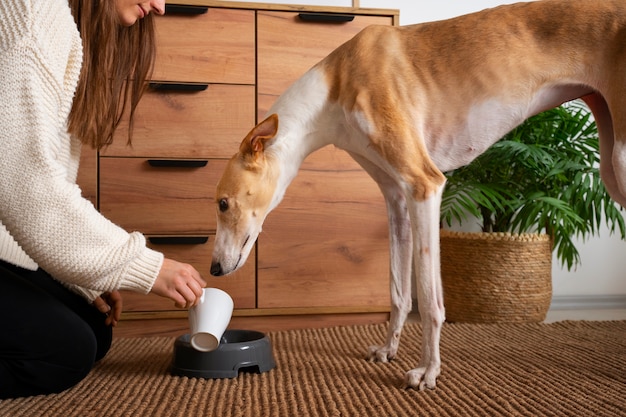
While every dog and cat is unique, there are general guidelines for normal water consumption. Dogs typically drink about one ounce of water per pound of body weight each day, while cats tend to drink a bit less, especially if they eat wet food. However, variations in activity level, diet, and weather can influence these amounts. For example, pets may drink more during hot Iowa summers or after vigorous play.
The key symptoms of excessive thirst in dogs and cats include visiting the water bowl far more often than usual, finishing their water much faster, and needing to be let outside or to the litter box more frequently due to increased urination. Pet owners might also notice accidents indoors, which can be distressing for both you and your pet. Other signs to watch for are changes in appetite, unexplained weight loss, or lethargy accompanying the increased thirst.
When Is It a Concern?
It is normal for pets to drink more water after exercise, eating dry food, or during hot weather. However, a sudden or persistent increase in thirst, especially when paired with other symptoms like vomiting, diarrhea, or behavioral changes, should be taken seriously. If you find yourself constantly refilling the water bowl or your pet’s thirst seems insatiable, it is time to consider a veterinary evaluation.
Why Is My Pet Drinking More Water? Exploring the Causes
Common Causes of Increased Thirst
There are several reasons why your pet may start drinking more water. Some are benign, while others require prompt veterinary attention. For instance, activity changes, switching from wet to dry food, or warmer temperatures can all lead to a natural uptick in thirst. Stressful events, such as moving homes or adding new pets, can also temporarily affect your pet’s drinking habits.
However, persistent excessive thirst in dogs and cats can signal underlying medical problems. Some of the most common health-related causes include diabetes mellitus, where the body cannot properly regulate blood sugar; chronic kidney disease, which affects the body’s ability to conserve water; and hormonal disorders such as Cushing’s disease. Liver disease, certain infections, and side effects from medications like steroids can also contribute to increased water intake.
How Local Factors Play a Role
In communities like Gilbert, seasonal changes can influence your pet’s hydration needs. Iowa’s hot summers often mean pets pant more and lose extra moisture, which can lead to increased thirst. Conversely, heated indoor environments during winter may also encourage pets to seek out more water. While these environmental factors are generally harmless, recognizing when thirst is out of the ordinary is essential—especially if you live in an area where certain diseases, such as tick-borne illnesses or diabetes, are more common.
How Our Veterinary Team Diagnoses and Treats Excessive Thirst
What to Expect During a Veterinary Visit
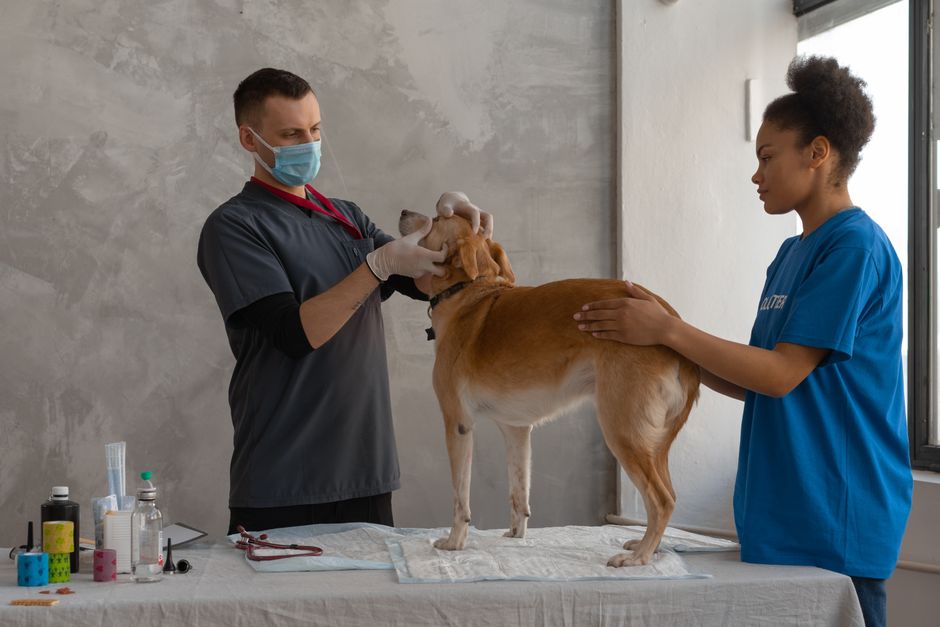
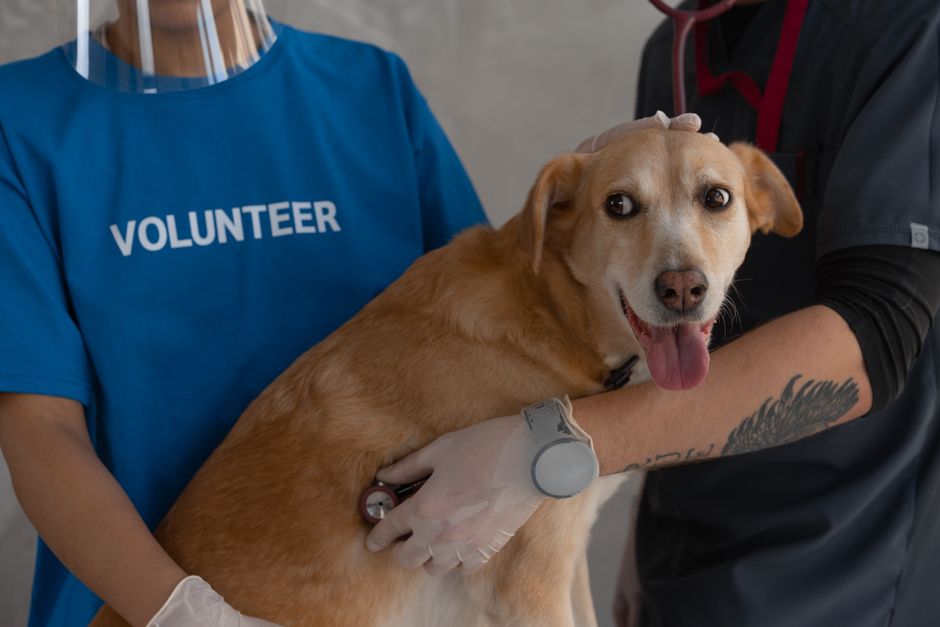
When you schedule an appointment at Companion Animal Clinic for concerns about your pet drinking more water, our veterinarians will begin by gathering a thorough history of your pet’s behavior, diet, and recent changes. We will perform a complete physical examination, paying close attention to hydration status, body condition, and organ function.
Key diagnostic steps often include blood and urine testing, which help uncover issues like elevated blood sugar, kidney dysfunction, or infection. Our pet diagnostic laboratory services in Gilbert allow us to quickly assess your pet’s internal health and pinpoint the cause of excessive thirst. In some cases, additional diagnostics such as blood pressure monitoring or imaging may be recommended to further clarify the diagnosis.
Treatment Options Tailored to Your Pet
Treatment approaches for excessive thirst in dogs and cats depend on the underlying cause. For pets diagnosed with diabetes, management often involves insulin therapy and dietary adjustments. Chronic kidney disease may require special diets, medications, and ongoing monitoring to help pets live more comfortably. Hormonal disorders can sometimes be managed with medication, while infections or other medical conditions will be treated according to the specific diagnosis.
Regardless of the cause, our goal at Companion Animal Clinic is to provide comprehensive veterinary care and support for both you and your pet. We work closely with you to develop a personalized treatment plan, answer your questions, and monitor your pet’s progress over time. If you are interested in specialized care for older pets, our Senior Pet Care services focusing on the health and wellness of older pets may also be beneficial, as senior pets are more likely to develop conditions that affect thirst.
Supporting Your Pet at Home: Prevention and Monitoring
Steps You Can Take
While some causes of excessive thirst in dogs and cats are unavoidable, there are practical steps you can follow to promote your pet’s health and catch problems early. Always provide fresh, clean water and monitor how much your pet drinks each day, especially if you have noticed recent changes. For cats, consider offering both wet and dry food to encourage balanced hydration.
Maintaining a consistent feeding schedule and monitoring your pet’s weight can help you recognize concerning patterns sooner. Watching for additional symptoms—such as changes in appetite, urination frequency, or energy levels—can provide valuable clues. Regular wellness visits and preventive screenings allow your veterinarian to detect early signs of diabetes, kidney disease, or other conditions before they become advanced.
Healthy Habits for Pets in Gilbert
Living in Gilbert and nearby areas means dealing with Midwest weather extremes. In summer, be sure your pet always has access to cool water and shade. During winter, check that indoor air is not too dry, as this can increase thirst unnecessarily. For pets receiving medication, always ask your veterinarian about possible side effects, including increased water intake.
When to Schedule an Appointment with a Veterinarian Near Me
Red Flags That Warrant Immediate Attention
While mild, temporary increases in thirst may not require urgent care, certain warning signs mean your pet should be seen by a veterinarian right away. These include sudden and dramatic spikes in water consumption, vomiting or diarrhea lasting more than 24 hours, loss of appetite, unexplained weight loss, weakness, or signs of disorientation. If your pet is very young, very old, or has a chronic health condition, it is best not to wait—schedule an appointment as soon as possible for a thorough evaluation.
Our veterinary professionals at Companion Animal Clinic are here to help you determine if your pet’s drinking habits are part of a larger health issue. If you are in Gilbert or the surrounding communities and searching for a quality vet near me, know that our clinic provides comprehensive care for pets at every life stage. For urgent concerns, you can learn more about our Urgent Care and emergency veterinary services at Companion Animal Clinic.
The Importance of Local Expertise
Choosing a veterinary clinic with experience in diagnosing and treating common causes of excessive thirst in dogs and cats in Gilbert ensures your pet receives care tailored to local risks and conditions. Our team is familiar with the health patterns seen in Iowa pets and is committed to providing timely, compassionate service when you need it most.
Conclusion: Support for Your Pet’s Health Starts Here
Increased water consumption in dogs and cats can be a sign of anything from simple environmental changes to more serious medical conditions. By keeping a close eye on your pet’s habits, taking note of concerning symptoms, and seeking professional guidance when needed, you help ensure a healthier, happier life for your furry family member. Companion Animal Clinic is dedicated to serving pets in Gilbert and surrounding communities with personalized, comprehensive veterinary care.
If you are worried about your pet drinking more water, do not wait for symptoms to worsen. Schedule an appointment with our veterinary team today by calling (515) 233-6689 or visiting us at 143 Dunn Street, Gilbert, IA 50105. We are proud to be recognized as a trusted vet near me, providing pet diagnostic laboratory services in Gilbert and the highest standard of care for every patient we see. For more details about our capabilities, you can explore our pet diagnostic laboratory services including lab testing for disease detection or contact our veterinary professionals for answers to your questions. Your pet’s health and your peace of mind are always our top priorities.
Disclaimer: This article is for informational purposes only and should not be used as a substitute for professional veterinary advice. If you are concerned about your pet’s health, please contact your veterinarian for guidance and an accurate diagnosis.