Why Your Cat Has Eye Boogers and When to Worry
Why Your Cat Has Eye Boogers and When to Worry
If you have ever noticed that your cat has eye boogers, you are not alone. Many cat owners in Gilbert and surrounding communities find themselves concerned when they see discharge or crust near their cat’s eyes. At Companion Animal Clinic, our team of veterinarians often answers questions about feline eye health, helping owners understand what’s normal and when it’s time for a checkup. In this blog, we will explain the causes of eye discharge in cats, how to recognize when it’s a simple issue or something more serious, what you can do at home, and when it’s important to schedule an appointment at our 143 Dunn Street, Gilbert, IA 50105. We will also provide tips for keeping your cat’s eyes healthy, and guide you on local resources and next steps if you need a veterinarian near you.
Recognizing When Your Cat Has Eye Boogers
It’s not uncommon for a cat to develop a small amount of eye discharge. Most owners first notice eye boogers as a crust in the inner corner of the cat’s eyes, especially after a nap. This discharge can range from clear to slightly brown or gray, and is often a result of normal tear drainage. However, signs that the issue may be more than routine include persistent watery eyes, thick yellow or green discharge, red or swollen eyelids, squinting, rubbing at the eyes, or any sudden changes in your cat’s behavior such as hiding or decreased appetite.
In some cases, mild eye discharge can be seasonal and related to environmental factors, such as dust or pollen common in Iowa’s spring and fall. Cats who spend time outdoors may also accumulate more debris around their eyes, leading to occasional crusting. However, if you notice your cat constantly pawing at their face, keeping one eye closed, or if the discharge has an unusual color or odor, these are signs that something more serious may be occurring.
Common Causes of Eye Boogers in Cats
When a cat has eye boogers, there are a variety of possible explanations. Normal tear production helps keep the eyes lubricated and healthy, but some cats produce more tears than others, especially certain breeds like Persians or Himalayans. Environmental irritants, such as dust, cleaning chemicals, or smoke, can also increase tear production and lead to more noticeable eye boogers.
Allergies are another frequent cause in our area, as cats can react to pollen, mold, or even certain foods. In these cases, you may see additional symptoms like sneezing or itchy skin. If you suspect allergies, our team can help determine if allergy testing is appropriate for your cat.
Infections are a more concerning cause of eye discharge. Conjunctivitis, or “pink eye,” can occur due to viruses, bacteria, or even fungi. Feline herpesvirus and calicivirus are common culprits, particularly in kittens or cats from shelters. Signs of infection often include thick, colored discharge, redness, and swelling. Eye injuries, such as scratches or foreign bodies, can also lead to discharge, as can blocked tear ducts or corneal ulcers.
Sometimes, eye issues can be secondary to other health problems, like upper respiratory infections or systemic illnesses. For example, a cat with a stuffy nose may have increased tear overflow, leading to more frequent eye boogers.
How Our Gilbert Veterinary Team Diagnoses and Treats Eye Discharge
When a cat has persistent or abnormal eye boogers, a veterinary examination is the best way to determine the cause and the right treatment. At Companion Animal Clinic in Gilbert, our veterinarians will start with a thorough eye exam, looking for signs of redness, swelling, pain, or vision changes. We may use diagnostic tools such as an eye stain evaluation to detect ulcers or scratches on the cornea, or a Schirmer Tear Test to measure tear production and assess for dry eye conditions.
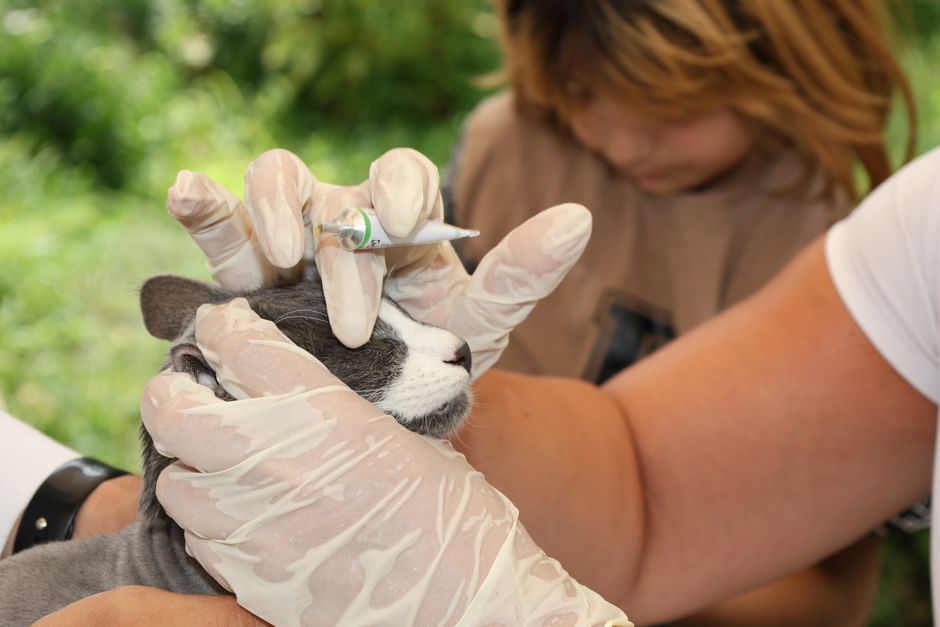
Depending on what we find, treatment options involve a range of approaches. For mild cases related to dust or mild irritation, gentle cleaning of the area with a damp cloth may be all that’s needed. If allergies are suspected, we will discuss ways to minimize allergens in your home and may recommend further testing or medical management. Infections usually require prescription medications, which could include antibiotic or antiviral eye drops or ointments. If your cat is diagnosed with a more complex eye condition, such as a blocked tear duct or corneal ulcer, more advanced treatments or minor procedures may be needed.
Our veterinary team will always explain the diagnosis and walk you through the treatment plan, making sure you feel comfortable with the next steps. In some cases, ongoing monitoring or follow-up visits are important to ensure your cat’s eyes heal properly.
Home Care and Prevention for Healthy Cat Eyes
Good eye health starts with attentive at-home care. Owners should gently wipe away minor eye boogers with a clean, damp cotton ball, always using a separate one for each eye to prevent the spread of infection. Avoid using human eye products or over-the-counter remedies unless specifically instructed by your veterinarian, as some substances can be harmful to cats.
Keeping your home environment clean and free of dust, smoke, or strong cleaning chemicals can help minimize irritants that may contribute to eye discharge. For cats with known allergies, vacuuming regularly and using air purifiers may reduce exposure to triggers. If your cat goes outside, check their eyes when they come in for any signs of debris or irritation.
Feeding a balanced diet and keeping up with regular wellness exams also play a role in maintaining eye health. In some cases, cats prone to eye issues may benefit from additional supplements or dietary changes, which our veterinarians can discuss with you during your visit.
When to Schedule a Veterinary Visit for Cat Eye Boogers
It can be difficult to know when your cat’s eye discharge is a simple annoyance or a sign of a bigger problem. Generally, you should schedule an appointment at Companion Animal Clinic if your cat has eye boogers that are persistent, thick, yellow, green, or have an odor. Additional warning signs include squinting, excessive tearing, swelling, redness, or if your cat seems to be in pain or is rubbing at their eyes frequently.
Sudden changes, such as one eye suddenly producing more discharge than the other, vision changes, or discharge accompanied by respiratory symptoms, should always be evaluated promptly. If you are ever unsure, our veterinary professionals are happy to answer questions and help you decide whether your cat needs to be seen. For urgent situations, such as severe swelling, inability to open the eye, or bleeding, call us right away so we can provide timely care.
Local Expertise for Cat Eye Care in Gilbert and Surrounding Communities
At Companion Animal Clinic, we understand that it can be worrying when your cat has eye boogers, especially if you are not sure what’s normal or what’s cause for concern. Our experienced team of veterinarians combines advanced diagnostics with a compassionate approach to care, serving cats and the occasional farm animal throughout Gilbert and surrounding communities. We are here to help you keep your cat’s eyes bright and healthy, whether your concern is mild crusting or a more serious eye condition.
If you are searching for a veterinarian near me to help with eye discharge, or if you want to schedule a comprehensive eye exam for your cat, Companion Animal Clinic makes it easy. You can call us at (515) 233-6689 to book an appointment, or stop by our convenient location at 143 Dunn Street. Our veterinary team is always ready to provide expert guidance, answer your questions, and deliver the care your cat deserves.
For more information about eye health, diagnostic options like the Schirmer Tear Test or eye stain evaluation, or to learn about allergy testing, please visit our website or reach out to our clinic directly. Remember, when your cat has eye boogers and you are unsure what to do, prompt veterinary attention is the best way to protect your cat’s vision and overall health.
This blog is for informational purposes only and does not substitute for professional veterinary advice. Please schedule an appointment with our veterinary team for specific concerns or urgent issues involving your cat’s eyes.