Bladder Stone Surgery in Dogs: What Iowa Pet Owners Should Know
Bladder Stone Surgery in Dogs: What Iowa Pet Owners Should Know
If your dog is straining to urinate, having accidents in the house, or showing signs of discomfort, it’s natural to feel concerned and want clear answers. Bladder stones can be a painful and potentially serious health issue for dogs, but with timely diagnosis and expert care, most dogs can return to their happy, healthy selves. At Companion Animal Clinic, located at 143 Dunn Street, Gilbert, IA 50105, our veterinary team is experienced in diagnosing and treating urinary issues, including bladder stone surgery in dogs. This guide will walk you through what bladder stones are, how to recognize the signs, why they form, what bladder stone surgery involves, and how you can support your dog’s recovery right here in Gilbert and the surrounding communities.
We understand how stressful it can be when your companion is unwell. Our goal is to provide the information and support you need—whether you’re scheduling a routine checkup or facing the possibility of surgery. If you suspect your dog may have urinary problems, the earlier you reach out, the better the outcome can be. Throughout this article, we’ll also highlight how our bladder stone surgery services are tailored to meet your dog’s needs, and when it’s time to seek help from our caring veterinary professionals.
Recognizing Bladder Stones in Dogs: Symptoms and Warning Signs
Bladder stones, or uroliths, are hard mineral formations that develop in a dog’s bladder. These stones can range in size from tiny grains to large, pebble-sized masses, and their presence can cause discomfort, irritation, and even blockages in your dog’s urinary tract.
Key symptoms to watch for include frequent attempts to urinate, straining or crying out during urination, visible blood in the urine, and accidents in the house even if your dog is well-trained. Some dogs may lick their genital area frequently or seem restless and unable to get comfortable. In more severe cases, dogs may be unable to urinate at all, which is an emergency situation requiring immediate veterinary care. Owners might notice their dog visiting the yard often without producing much urine, or see small puddles inside the house. These signs can be subtle at first, but they often become more obvious as the stones grow or cause inflammation.
If you notice any of these symptoms, especially if your dog suddenly cannot urinate, it is essential to contact your veterinary team right away. Bladder stone surgery in dogs may be needed if stones are causing a blockage or cannot be dissolved with other treatments.
Why Do Dogs Get Bladder Stones? Understanding the Causes
Bladder stones form when minerals in the urine combine to create solid crystals, which can then clump together into stones. There are several types of bladder stones, each formed from different minerals, such as struvite, calcium oxalate, or urate. Factors that contribute to bladder stone formation include genetics, diet, urinary tract infections, underlying metabolic conditions, and how dilute or concentrated your dog’s urine tends to be.
Certain breeds, such as Miniature Schnauzers, Dalmatians, and Bulldogs, are more prone to specific stone types. Dogs with chronic urinary tract infections may be at higher risk, as bacteria can alter urine chemistry and promote stone formation. Diet also plays a significant role; foods high in certain minerals or too little water intake can make stone formation more likely. In Iowa, where seasonal changes may affect how much water your dog drinks, it’s important to monitor hydration year-round.
Understanding why stones develop helps your veterinarian determine the best approach for treatment and prevention. Our internal medicine services at Companion Animal Clinic are designed to pinpoint the underlying causes of urinary problems, so we can create a plan tailored to your dog’s needs.
Treatment Options: What to Expect from Bladder Stone Surgery in Dogs
When bladder stones are diagnosed, your veterinarian will determine the most effective treatment based on the type, size, and location of the stones, as well as your dog’s overall health. For some small stones, dietary dissolution may be possible, especially if the stones are made of struvite. This involves feeding a special prescription diet that gradually dissolves the stones over several weeks.
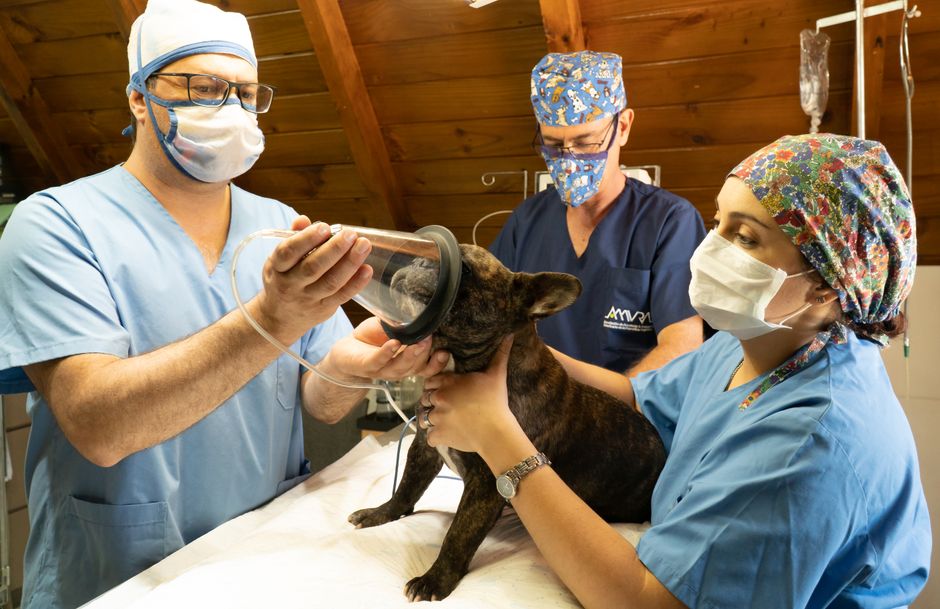
However, many bladder stones cannot be dissolved with diet alone or may be too large or causing severe symptoms. In these cases, bladder stone surgery in dogs becomes necessary. The procedure is called a cystotomy, where the veterinary surgeon carefully opens the bladder, removes the stones, and thoroughly flushes the bladder to reduce the chance of recurrence. Surgery is performed under general anesthesia, and the veterinary professionals at Companion Animal Clinic use advanced monitoring and pain management protocols to ensure your dog’s safety and comfort.
Post-surgery, most dogs recover quickly, with many returning to normal activity within a week or two. Your veterinarian will provide detailed instructions on caring for your dog at home, including any necessary medications, dietary adjustments, and activity restrictions during healing. To learn more about the specifics of this procedure and how we approach surgical care, you can read about our bladder stone surgery services or explore our broader surgery services.
Supporting Your Dog’s Recovery and Preventing Future Stones
After bladder stone surgery in dogs, home care is crucial for a smooth recovery. Your veterinarian will recommend keeping your dog calm and limiting activity for the first week or so to allow the incision to heal. Monitoring the incision site for redness, swelling, or discharge is important, as is ensuring your dog does not lick or chew at the stitches. Medications may be prescribed to manage pain and prevent infection, and follow-up visits will be scheduled to check healing progress.
Prevention of future bladder stones focuses on maintaining a healthy urinary environment. This often involves providing plenty of fresh water, feeding a veterinarian-recommended diet that discourages stone formation, and monitoring for any return of urinary symptoms. Some dogs will require periodic urine tests or imaging to catch new stones early. Regular checkups at Companion Animal Clinic allow our veterinary team to tailor recommendations to your dog’s unique risk factors.
If your dog is a breed prone to stones, or has had stones before, your veterinarian may suggest routine urinalysis and diet adjustments as part of an ongoing care plan. These preventive steps are especially important in Iowa’s variable climate, where changes in temperature and humidity can influence how much water your dog drinks.
When to Contact Your Veterinarian
Knowing when to seek veterinary care can make all the difference. If your dog is straining to urinate, passing blood in the urine, or seems in pain, it’s time to schedule an appointment right away. Complete inability to urinate is an emergency and requires immediate intervention to prevent life-threatening complications. Dogs who have had bladder stones before are at higher risk for recurrence, so any return of symptoms should prompt a quick call to your veterinary team.
For pet owners in Gilbert and the surrounding communities, our veterinarians are here to support you through every stage, from diagnosis to recovery. Early intervention not only relieves discomfort but can also prevent more serious issues like urinary blockages or kidney damage.
The Importance of Professional Diagnosis and Treatment
While some online resources suggest home remedies for bladder stones, it is critical to understand that professional evaluation is essential for safe and effective care. Only a veterinarian can accurately diagnose the type of stone and determine the best treatment; attempting to treat bladder stones at home can delay needed care and increase the risk of complications.
Our veterinary professionals utilize physical examinations, urinalysis, x-rays or ultrasound, and sometimes urine cultures to get a complete picture of your dog’s urinary health. This comprehensive approach ensures that your dog receives the most appropriate care, whether that means medication, dietary changes, or surgery.
For more in-depth information about diagnosing and managing internal health concerns like bladder stones, visit our internal medicine services page.
Compassionate Bladder Stone Surgery and Support in Gilbert, IA
Bladder stone surgery in dogs is a common and highly effective procedure when performed by experienced veterinary professionals. At Companion Animal Clinic, our team is dedicated to providing compassionate, thorough care for your dogs and other companion animals. We serve families in Gilbert and surrounding communities with a focus on clear communication, evidence-based medicine, and a commitment to your animal’s well-being.
If you notice any signs of urinary trouble in your dog, do not wait—schedule an appointment with our veterinary team today. When searching for a veterinarian near me who truly understands your concerns and provides expert surgical care, look no further than Companion Animal Clinic. To discuss bladder stone surgery, request an evaluation, or learn more about our bladder stone surgery services, call us at (515) 233-6689 or visit us at 143 Dunn Street, Gilbert, IA 50105. Your dog’s comfort and health are our top priorities, and we are here to support you every step of the way.
This article is intended for informational purposes only and should not replace professional veterinary advice. Always consult your veterinarian if you have concerns about your dog’s health or need guidance regarding urinary issues or bladder stone surgery in dogs.