Bladder Stone Surgery in Dogs: What Iowa Pet Owners Should Know

Bladder Stone Surgery in Dogs: What Iowa Pet Owners Should Know
When your dog starts having trouble urinating, strains during bathroom trips, or suddenly has accidents in the house, it can be both distressing and confusing for any pet owner. These signs may point to a common yet serious condition: bladder stones. At Companion Animal Clinic, located on 143 Dunn Street in Gilbert, IA, our experienced veterinary team frequently helps pet owners navigate the challenges of bladder stone surgery in dogs. In this comprehensive guide, you'll learn how to recognize the symptoms, understand what causes bladder stones, discover what bladder stone surgery entails, and get practical advice for supporting your dog's recovery. We'll also provide clear guidance on when to seek veterinary care, all with the goal of keeping dogs in Gilbert and surrounding communities happy and healthy.
Bladder stones can progress quickly and, if left untreated, may lead to life-threatening complications. If you suspect your dog has urinary issues, knowing when to act and what to expect can make all the difference. Throughout this article, we'll share the expertise of our veterinary professionals and connect you with resources, including our bladder stone surgery services, so you can make the best decisions for your canine companion.
Recognizing the Signs: How to Tell if Your Dog Might Have Bladder Stones
Bladder stones in dogs often start with subtle changes that can be mistaken for minor issues or even house-training setbacks. Key symptoms to watch for include straining or difficulty urinating, frequent attempts to urinate with only small amounts produced, visible blood in the urine, and accidents in the house from dogs who are normally well-trained. Some dogs may lick at their genital area more than usual or seem uncomfortable while urinating. You might also notice your dog asking to go outside more frequently or having sudden behavior changes around bathroom time.
In certain cases, dogs with bladder stones can become completely unable to pass urine, leading to a blocked bladder. This is a true emergency, as a urinary blockage can quickly become fatal if not addressed right away. If your dog is repeatedly trying to urinate but nothing is coming out, appears to be in pain, or has a swollen abdomen, call our veterinary team immediately.
While these symptoms are common, they can also be caused by urinary tract infections, inflammation, or other health problems. That is why a thorough veterinary examination is so important whenever you see abnormal urinary behaviors in your dog.
Understanding the Causes: Why Do Dogs Develop Bladder Stones?
Bladder stones, also known as uroliths, are hard mineral formations that develop in the bladder. Several factors can contribute to their formation, including genetics, diet, urinary tract infections, and certain medical conditions. Some breeds, such as Dalmatians, Miniature Schnauzers, and Bulldogs, are more prone to developing specific types of stones due to inherited metabolic differences.
The process usually begins when minerals in the urine become too concentrated and start to crystallize. Over time, these crystals can clump together, eventually forming stones that vary in size from tiny grains to large, gravel-like masses. Infections in the urinary tract can change the pH of urine or introduce bacteria that promote stone formation. Additionally, dogs on certain diets or those with less access to fresh water may be at higher risk.
Environmental factors, such as the local climate in Iowa, can also play a role. For instance, dogs may drink less during colder months or after heavy exercise, leading to more concentrated urine and a higher likelihood of stone formation. Regular veterinary checkups and discussions about your dog's diet and lifestyle can help identify risk factors early.
Treatment Options: What to Expect from Bladder Stone Surgery in Dogs
Once bladder stones are diagnosed through a combination of physical examination, urine testing, and imaging (like X-rays or ultrasound), your veterinarian will recommend a treatment plan based on the size, type, and number of stones, as well as your dog's overall health.
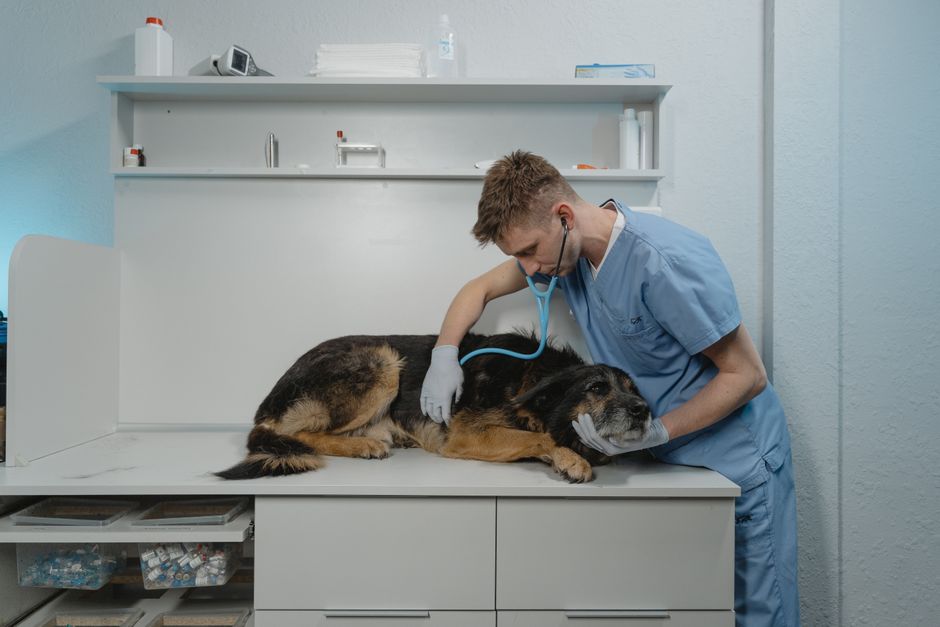
For many dogs, especially those with larger or obstructive stones, surgical removal is the safest and most effective option. At Companion Animal Clinic, our bladder stone surgery services are performed with careful attention to your dog's comfort and safety. The procedure, called a cystotomy, involves making a small incision into the bladder to remove all visible stones. Your dog is placed under general anesthesia, and our veterinary professionals use advanced surgical and monitoring techniques to minimize risks.
After surgery, we may send stone samples to a laboratory for analysis, which helps guide future prevention strategies. In some cases, especially with certain stone types, non-surgical options like prescription diets or medications may be effective in dissolving smaller stones or preventing recurrence. This is why our internal medicine services are often involved in tailoring long-term care plans.
Recovery from bladder stone surgery typically involves a short hospital stay, pain management, and close monitoring for any signs of infection or complications. Most dogs return to their normal activities within a week or two, but your veterinarian will provide specific instructions for home care and follow-up visits.
Prevention and Home Care: Supporting Your Dog Before and After Surgery
Preventing bladder stones—or reducing the risk of recurrence—relies on a combination of dietary management, ensuring adequate hydration, and regular veterinary care. After bladder stone surgery, your dog may benefit from a special diet formulated to dissolve certain minerals or prevent crystal formation. Fresh, clean water should always be available, and encouraging your dog to drink more can help flush out minerals before they can clump together.
Monitoring your dog for any signs of urinary trouble is essential, especially in the weeks following surgery. If you notice your dog straining, urinating more frequently, or showing any of the earlier symptoms again, contact our veterinary team right away. Keeping up with scheduled follow-up visits allows us to check for new stones, monitor healing, and adjust your dog's care plan as needed.
For pet owners in Gilbert and surrounding communities, adapting activity routines or providing more frequent bathroom breaks—especially in extreme weather—can also make a difference. If you have questions about the best diet, supplements, or prevention strategies for your dog's unique risk factors, our veterinarians are always happy to provide guidance.
When to Seek Veterinary Care: Acting Quickly Makes a Difference
Bladder stones can become serious very quickly, so timing is everything. You should schedule an appointment with our veterinary team as soon as you notice any of the warning signs described earlier. If your dog is unable to urinate, seems to be in significant pain, or exhibits a swollen or tender abdomen, seek emergency care without delay.
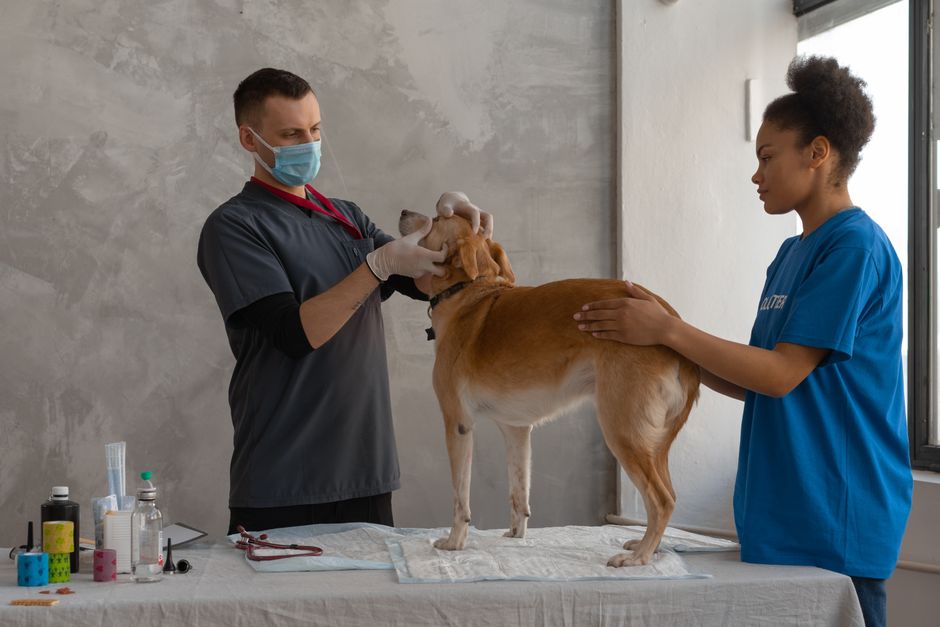
Even if your dog's symptoms seem mild, it's important to have a professional evaluation, as bladder stones can be difficult to diagnose based solely on outward signs. Our experienced veterinary professionals use a combination of diagnostic tools to pinpoint the problem and recommend the safest, most effective treatment.
If you are searching for a veterinarian near me who understands the needs of local pets and provides advanced surgical care, Companion Animal Clinic is here for you. We welcome new and returning clients from Gilbert and nearby communities, offering convenient appointment scheduling and compassionate follow-up.
Trust Companion Animal Clinic for Bladder Stone Surgery in Dogs
Bladder stone surgery in dogs is a highly effective way to relieve pain, restore normal urination, and prevent serious complications. At Companion Animal Clinic, our team of veterinarians is committed to providing thorough, individualized care for every dog and pet owner we serve. Our surgical, medical, and preventive services are designed to support your dog's health at every stage—from timely diagnosis to complete recovery and ongoing prevention.
If your dog is showing signs of urinary trouble, or if you have questions about bladder stones, we encourage you to reach out for expert guidance. Schedule an appointment at our Gilbert location by calling (515) 233-6689, or explore our bladder stone surgery services and internal medicine options online to learn more about how we can help.
Remember, prompt action is key to your dog's comfort and health. When you need a veterinarian near me who truly cares, Companion Animal Clinic in Gilbert, Iowa, is ready to be your trusted partner every step of the way.