Cat Goopy Eyes: Causes and When to See the Vet
Cat Goopy Eyes: Causes and When to See the Vet
If you’ve noticed your cat’s eye looking watery, sticky, or producing a thick discharge, you’re not alone—cat goopy eyes are a common concern, especially during Iowa’s colder months when environmental changes can affect your pet’s health. At Companion Animal Clinic, conveniently located at 143 Dunn Street, Gilbert, IA 50105, our team of veterinarians understands how worrisome it can be to see changes in your cat’s eyes or behavior. This blog will help you recognize the signs of cat goopy eye, understand what might be causing it, and guide you on when it’s time to schedule an appointment with our experienced veterinary professionals. We’ll also discuss what you can do at home to keep your cat comfortable and how preventive care can make a difference for pets in Gilbert and surrounding communities.
Recognizing Cat Goopy Eye: What Pet Owners Should Watch For
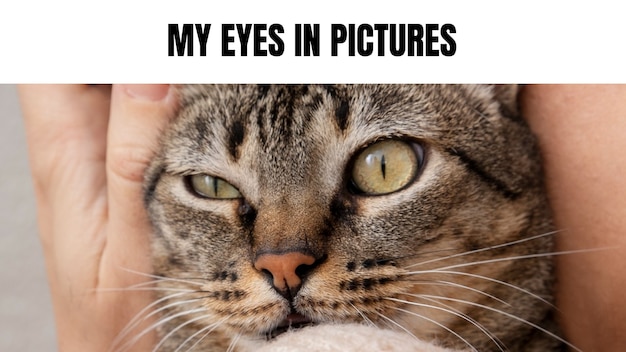
Cats are masters at hiding discomfort, so eye problems may go unnoticed until symptoms become obvious. The telltale signs of cat goopy eye include watery or sticky discharge, crusts forming on the eyelids or in the corners of the eyes, and a general appearance of wetness around the face. You may also notice that your cat blinks more often, squints, or keeps one eye partially closed. Some cats will paw at their face or rub their head against furniture in an attempt to relieve irritation. Additional symptoms such as redness, swelling, cloudiness, or changes in your cat’s usual behavior—like becoming less playful or hiding more frequently—can accompany eye discharge and often indicate that the discomfort is more than just a minor annoyance.
A cat may also have difficulty opening an affected eye, or you might notice a change in the color or consistency of the discharge. Clear, watery discharge is often seen with mild irritation or allergies, while yellow, green, or thick pus-like discharge usually points to infection. The presence of an unpleasant odor or visible swelling around the eye are warning signs that should never be ignored. Eye problems can progress quickly, so it’s important to pay close attention to any changes and seek veterinary advice early to prevent long-term issues.
Common Causes of Goopy Eyes in Cats
Cat goopy eye can result from a variety of underlying conditions, some of which require prompt veterinary treatment. In many cases, the cause is conjunctivitis, which is inflammation of the thin membrane lining the eyelids and covering the white part of the eye. Conjunctivitis in cats may be triggered by infections, allergies, or exposure to irritants such as dust, smoke, or cleaning products. Upper respiratory infections, often caused by viruses like feline herpesvirus or calicivirus, are a frequent culprit, especially in multi-cat households or shelters. These infections lead to symptoms that include sneezing, nasal discharge, and watery or mucous-filled eyes.
Allergies are another common cause; cats can react to pollen, mold, or even certain foods, resulting in itchy, watery eyes. Foreign bodies, such as a speck of dirt, a stray eyelash, or even a small scratch on the eye surface, can also lead to excessive tearing and discharge. More serious issues like corneal ulcers, eye injuries, or blocked tear ducts may develop secondary to these primary problems, causing persistent or worsening symptoms.
In some cases, underlying health conditions such as feline immunodeficiency virus (FIV) or feline leukemia virus (FeLV) can weaken the immune system and make cats more susceptible to chronic or recurrent eye issues. Environmental factors, particularly during the winter when indoor air becomes drier and allergens accumulate, may also play a role in the development of cat goopy eye in Gilbert and other Iowa communities.
Diagnosis and Treatment: How Veterinary Professionals Can Help
When you bring your cat to Companion Animal Clinic for an eye concern, our veterinarians start with a thorough examination to determine the source of the problem. We may ask you about recent changes in your cat’s environment, exposure to other animals, and the duration and progression of symptoms. Diagnostic tools such as the Schirmer Tear Test—which evaluates tear production—and specialized eye stain diagnostics can help us identify underlying issues such as dry eye or corneal injury. In some cases, measuring intraocular pressure with a Tonopen (IOP) may be necessary to rule out glaucoma or other serious eye conditions.
Treatment for cat goopy eye depends on the underlying cause. If a bacterial infection is diagnosed, the veterinary team may prescribe antibiotic eye drops or ointments. Viral infections may require supportive care, immune-boosting supplements, or antiviral medications. Allergic reactions are often managed with environmental changes, prescription eye drops, or oral medications to reduce inflammation and discomfort.
For more complex cases, such as corneal ulcers or chronic dry eye, advanced treatments like diamond burr corneal debridement or surgical intervention may be recommended. Our clinic is equipped to handle a wide range of eye conditions, ensuring that your cat receives the most appropriate care for lasting relief. Throughout the diagnostic and treatment process, our veterinarians will keep you informed, answer your questions, and work with you to create a personalized care plan that considers your cat’s specific needs.
Home Care and Prevention: Supporting Your Cat’s Eye Health
While many mild cases of cat goopy eye can be managed at home with gentle care, it’s important to know when professional help is needed. At home, you can help keep your cat’s eyes clean by wiping away discharge with a soft, damp cloth or sterile saline solution. Be careful to use a separate cloth for each eye if both are affected, to prevent spreading infection. Avoid using over-the-counter human eye drops or medications, as these can be harmful to cats.
Preventive measures include keeping your cat’s living space clean and free from dust or strong chemical odors. Regularly washing bedding, vacuuming carpets, and running air purifiers during allergy season can reduce environmental triggers. Keeping your cat’s vaccinations current also helps protect against viral infections that commonly affect the eyes. During your routine wellness visits, our veterinary team will examine your cat’s eyes and provide recommendations tailored to your cat’s lifestyle and risk factors.
If your cat is prone to allergies or recurrent eye problems, discussing an ongoing preventive care plan with your veterinarian can make a significant difference. Proactive steps such as early intervention at the first sign of symptoms, monitoring for changes in eye appearance, and scheduling timely check-ups can help prevent minor irritations from developing into more serious eye conditions.
When to Schedule a Veterinary Visit for Cat Goopy Eye
Knowing when to seek veterinary care is crucial for protecting your cat’s vision and overall well-being. You should schedule an appointment at Companion Animal Clinic if your cat’s eye discharge is persistent, changes color from clear to yellow or green, or is accompanied by swelling, redness, or visible discomfort. Additional warning signs include squinting, pawing at the face, cloudiness in the eye, or any sudden change in behavior such as lethargy or loss of appetite.
Certain situations require immediate veterinary attention. If you notice blood in the discharge, a rapid onset of symptoms, or if your cat cannot open its eye fully, contact our clinic promptly. Eye injuries, sudden vision loss, or signs of severe pain—such as vocalizing or hiding—should never be ignored and may require same-day evaluation. Our team is here to provide guidance and prioritize urgent cases to ensure your cat receives timely and compassionate care.
It is important to remember that while some mild cases may improve with home care, untreated eye problems can quickly progress and lead to complications such as vision loss or chronic discomfort. If you are ever unsure whether your cat’s symptoms warrant a visit, our veterinarians are happy to provide advice and schedule an examination to assess your pet’s needs.
Supporting Your Cat’s Eye Health in Gilbert and Surrounding Communities
Caring for your cat’s eyes is an important part of their overall health and happiness. Cat goopy eye can be caused by a range of factors, from minor irritations to serious health concerns. By recognizing early warning signs, providing gentle home care, and seeking timely veterinary attention, you play a vital role in keeping your feline friend healthy and comfortable.
If you’re searching for a veterinarian near me who offers comprehensive eye care and personalized attention, Companion Animal Clinic is here for you and your pets in Gilbert and the surrounding communities. To schedule an appointment or discuss your cat’s symptoms, give us a call at (515) 233-6689. Our veterinary professionals are dedicated to providing advanced diagnostic tools such as the Schirmer Tear Test, eye stain diagnostics, and Tonopen (IOP) testing to support your cat’s eye health. You can also visit us in person at 143 Dunn Street, Gilbert, IA 50105.
Your cat’s comfort and well-being are our top priorities. If you have questions or need guidance about cat goopy eye, our veterinary team is here to help every step of the way. Always consult with your veterinarian for specific concerns, as individual cases may require unique treatment approaches. For more information on eye care or to book your next visit, reach out to Companion Animal Clinic today.