Dental Health for Iowa Livestock: Preventing Problems in May
Dental Health for Iowa Livestock: Preventing Problems in May
Spring is a busy time for livestock producers in Gilbert, IA and the surrounding communities. As pastures green up and herds transition from winter feed to fresh grass, many operators are focused on breeding, calving, and the daily demands of farm life. However, one important aspect of herd health that often goes unnoticed during this season is dental care. Dental issues in cattle, sheep, goats, and other livestock can silently undermine productivity, feed efficiency, and animal wellbeing. At Companion Animal Clinic, located at 143 Dunn Street, Gilbert, IA 50105, our veterinary team is committed to supporting local producers with practical, preventive guidance on livestock oral health. This blog will help you recognize the signs of dental problems, understand how Iowa’s May weather influences dental risks, and take action to keep your animals thriving all year long.
In the following sections, we will discuss common dental concerns for cattle, goats, and sheep, explore why dental health matters for productivity, and provide tips for monitoring and preventing issues on your operation. Whether you manage a small flock or a large commercial herd, proactive dental care is an investment that pays dividends in animal performance and overall profitability.
Recognizing Dental Problems in Your Livestock
Dental problems in livestock can be subtle at first, often going unnoticed until productivity drops or animals show clear signs of discomfort. Early recognition is critical for maintaining herd health and minimizing long-term losses. Common warning signs of dental issues in cattle, sheep, and goats include difficulty chewing or dropping feed, excessive salivation, slow weight gain despite adequate nutrition, foul odor from the mouth, visible swelling along the jaw or face, and in severe cases, undigested feed in the manure. Producers may also observe animals that are reluctant to graze or that favor one side of the mouth when eating.
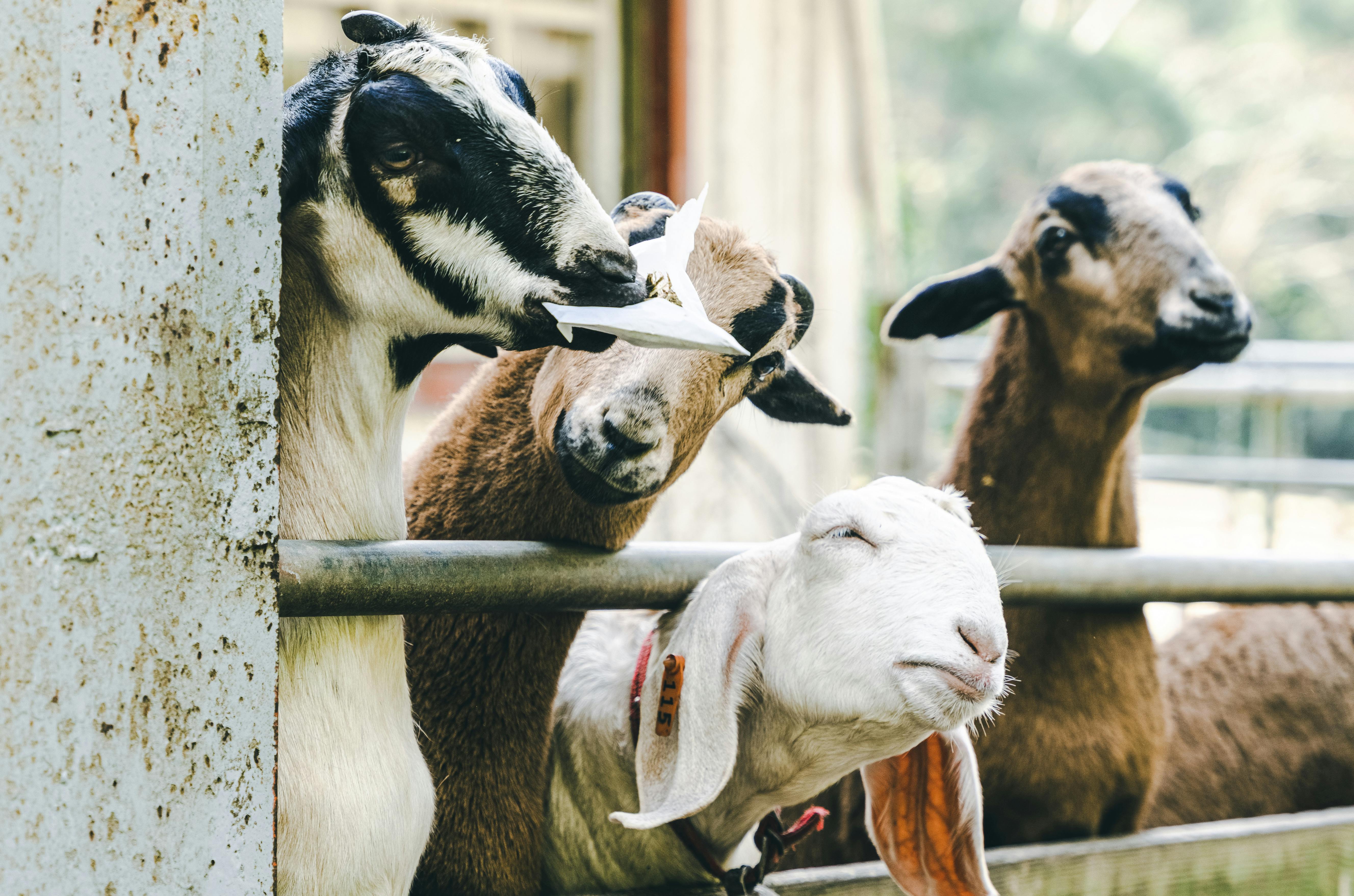
For cattle, issues such as worn incisors, missing teeth, and sharp molar points can reduce grazing efficiency, particularly as pastures become lush in May. Sheep and goats are prone to similar problems, including overgrown molars and tooth root abscesses, which can lead to chronic weight loss or even culling if left untreated. Animals recovering from winter feeding may be particularly vulnerable, as the transition to spring grass can reveal underlying dental pain that was masked by softer, processed feeds. Early intervention is key; if you notice any of these signs, a prompt evaluation by a veterinary professional can prevent more serious complications down the line.
The Roots of the Problem: Causes and Seasonal Factors
Understanding why dental issues develop in livestock helps producers take preventive action. Dental wear and disease are influenced by age, diet, genetics, and environmental factors. In Iowa, the shift from dry winter hay to fresh pasture in May can unmask dental problems that were less noticeable when animals were eating softer feeds. Older cattle, sheep, and goats are especially at risk as years of chewing can lead to worn or missing teeth, making it hard to process tougher spring forage.
Diet plays a central role. Grazing on sandy or gritty pastures, or consuming coarse feeds, accelerates tooth wear and may contribute to uneven surfaces that cause chewing pain. Additionally, nutritional imbalances—such as deficiencies in calcium or phosphorus—can weaken tooth structure and predispose animals to infections. Infectious conditions like “lumpy jaw” (actinomycosis) in cattle are more likely when dental injuries allow bacteria to invade the jawbone, often following trauma from sharp or broken teeth.
Genetic factors also matter. Some breeds are more prone to dental problems due to jaw conformation and tooth alignment. Routine herd health checks during seasonal transitions, especially in May when animals are adjusting to new feed sources, are an ideal time to assess dental status and plan preventive care.
Veterinary Treatment and Management of Livestock Dental Issues
When dental problems are identified, prompt and professional treatment can restore animal comfort, prevent chronic weight loss, and protect productivity. The veterinary team at Companion Animal Clinic is equipped to perform thorough oral examinations on cattle, goats, and sheep. During these evaluations, we check for loose or missing teeth, sharp points, abscesses, and other abnormalities that may interfere with eating.
Treatment options vary depending on the problem. For sharp molar points or overgrown teeth, veterinary professionals can use specialized floats or rasps to smooth rough surfaces and restore normal chewing. In cases of tooth root abscesses or severe infections, extraction of the affected tooth, flushing of the site, and antibiotic therapy may be warranted. Management of conditions like “lumpy jaw” often involves long-term antibiotics and, in some cases, surgical intervention to remove infected tissue.
Producers should be aware that some dental procedures require sedation and specialized equipment, especially for large animals. Our team prioritizes animal welfare and safety, minimizing stress during handling. Aftercare may include modifying the animal’s diet to ensure adequate nutrition while the mouth heals, as well as follow-up assessments to monitor recovery.
Preventing Dental Problems: Practical Steps for Producers
Prevention is always preferable to treatment, especially in a production setting where animal health directly impacts the bottom line. Regular dental checks are a cornerstone of preventive care for livestock. Scheduling a routine oral evaluation with your veterinary team—ideally during annual herd health checks or before turnout to spring pasture—can catch small issues before they escalate.
Feeding management is another critical area. Providing high-quality, appropriately textured feeds helps minimize excessive dental wear. Avoiding feeds with excessive sand or soil contamination, and rotating pastures to prevent overgrazing, can also reduce risk. Mineral supplementation tailored to your herd’s needs supports strong tooth and bone health, while prompt attention to oral injuries or swelling helps prevent the spread of infection.
Producers should also observe animals closely during seasonal transitions. Noticing changes in eating behavior, body condition, or pasture utilization can provide early clues to dental discomfort. Working with your veterinarian to develop a herd-specific dental health protocol, including regular monitoring and timely intervention, is one of the most effective strategies for long-term success.
When Should Producers Call the Veterinarian?
Knowing when to seek veterinary care is essential for effective livestock management. If you observe an animal with sudden weight loss, persistent drooling, foul breath, facial swelling, or reluctance to eat, it is time to schedule an evaluation. Animals that struggle to graze or appear to be in pain while chewing should be examined promptly, as untreated dental issues can quickly spiral into more serious health and production concerns.
Routine preventive checks—especially in the spring during the transition to lush pasture—are also highly recommended. Even if your herd appears healthy, underlying dental issues may be present in older animals or those with a history of dental problems. Early veterinary intervention not only relieves discomfort but also helps producers avoid costly losses due to decreased feed efficiency or premature culling.
The veterinary professionals at Companion Animal Clinic offer comprehensive herd health services, including dental assessments tailored to the needs of cattle, sheep, goats, and other livestock. Our clinic’s location in Gilbert, IA makes us easily accessible for producers in the area who are looking to optimize animal health and productivity.
The Importance of Dental Health for Livestock Productivity
Dental health is often overlooked in livestock operations, yet its impact on productivity cannot be overstated. Animals with healthy teeth are able to graze efficiently, utilize nutrients more effectively, and maintain optimal body condition throughout the production cycle. For cattle, this translates to better weight gains, higher milk yields, and improved reproductive performance. Sheep and goats with sound mouths are less susceptible to parasitism, chronic wasting, and the need for early culling.
Neglecting dental care can have significant economic consequences. Animals with dental pain eat less, process feed inefficiently, and are more vulnerable to disease. Over time, this can erode profitability and compromise animal welfare. By prioritizing regular dental evaluations and addressing problems promptly, producers can ensure that their livestock remain productive and resilient in the face of changing seasonal and environmental pressures.
Supporting Your Operation: How Companion Animal Clinic Can Help
At Companion Animal Clinic, we understand the unique challenges faced by Iowa livestock producers, especially during the busy spring months. Our veterinary team is committed to providing expert advice, prompt diagnostics, and practical solutions for dental health issues in cattle, sheep, goats, and more. Whether you are managing a cow-calf operation, a commercial sheep flock, or a small herd of backyard goats, our goal is to help you maximize animal health and farm profitability.
If you are concerned about dental issues in your herd this May, or simply want to establish a proactive preventive care program, we invite you to schedule an appointment with our experienced veterinary professionals. Our dental repair services are designed to address oral health issues and keep your livestock eating and performing at their best. Routine dental care is a valuable part of any comprehensive herd health plan, and we are here to support you every step of the way.
When searching for a veterinarian near me who understands both companion animals and production livestock, Companion Animal Clinic is your trusted local resource. Our commitment to animal wellbeing and producer success sets us apart in the Gilbert area.
To book a herd health evaluation or discuss your operation’s dental care needs, contact our team at (515) 233-6689, or visit us at 143 Dunn Street, Gilbert, IA 50105. Let us help you keep your animals healthy, productive, and thriving this spring and beyond.
This article is intended for informational purposes only and should not be used as a substitute for professional veterinary advice. Always consult your veterinarian for diagnosis and treatment of animal health concerns.