Recognizing Signs of Hypothermia in Dogs and Cats
Recognizing Signs of Hypothermia in Dogs and Cats
When temperatures drop in Gilbert, IA and the surrounding communities, it is natural for pet owners to worry about their furry companions’ safety. Hypothermia in pets is a real risk during Iowa’s cold winters, especially for dogs and cats who spend time outdoors, or for those who are young, elderly, or have certain health conditions. At Companion Animal Clinic, located at 143 Dunn Street, Gilbert, IA 50105, our veterinary team often receives questions about how to spot and respond to cold weather pet symptoms before they escalate.
In this guide, we’ll help you recognize the warning signs of hypothermia in dogs and cats, explain what causes this dangerous condition, outline what to do if you suspect your pet is affected, and offer practical tips for prevention. You’ll also learn when it’s time to schedule an appointment with a veterinarian in Gilbert or nearby areas. For pet owners searching for a “vet near me” or those wondering about the best way to protect their pets from Iowa’s harsh winters, this resource is designed to provide clear answers and peace of mind. If you’re concerned about your pet’s health this season, our team is here to help you every step of the way, including offering comprehensive pet exams to ensure your companion is ready for cold weather.
Spotting Hypothermia in Pets: What to Watch For
Hypothermia in pets occurs when a dog’s or cat’s body temperature drops below the normal range, which can quickly become life-threatening. Key symptoms include shivering that may be mild at first but can progress to intense, uncontrollable shaking. As body temperature continues to fall, pets may seem unusually lethargic, weak, or disoriented. Other signs to watch for are pale or bluish gums, trouble walking, slowed heart rate, shallow breathing, and unresponsiveness. In some cases, pets may whimper, seem anxious, or seek out unusual hiding spots for warmth.
Cold weather pet symptoms are not always obvious, so it’s important to observe your pet’s behavior closely after any exposure to low temperatures, snow, or ice. For example, a dog who comes in from the yard and seems less playful or a cat that curls up and refuses to move could be showing early signs of hypothermia. If you notice any of these warning signs, especially after your pet has been outside, it’s essential to respond quickly and seek veterinary advice.
Understanding the Causes of Hypothermia in Dogs and Cats
Hypothermia in pets is most commonly caused by prolonged exposure to cold temperatures, wind, or wet conditions. Dogs and cats can lose body heat rapidly if their fur gets wet from snow, rain, or ice, making them even more vulnerable. Smaller breeds, short-haired pets, very young puppies or kittens, senior animals, and those with medical conditions such as hypothyroidism or heart disease are at a greater risk. Even brief periods outdoors can be dangerous during extreme cold snaps in Gilbert and the surrounding communities.
Additional risk factors include pets left in unheated garages, basements, or cars, as well as those who become lost or trapped outside. It’s not just outdoor pets who are at risk; indoor animals can also develop hypothermia if their environment is too cold or if they have impaired ability to regulate body temperature due to age or illness. Recognizing these contributing factors is key to preventing cold weather pet symptoms before they become severe.
Treatment and Management: What to Expect at the Veterinary Clinic
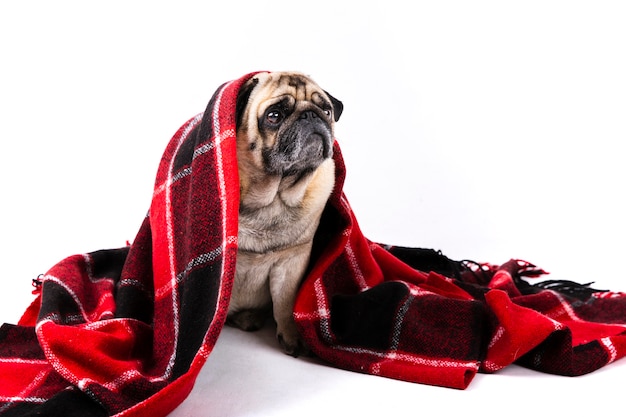
If you suspect your pet is suffering from hypothermia in Gilbert, IA, immediate action can make a significant difference. First, bring your pet into a warm, dry environment and gently wrap them in a dry towel or blanket. Avoid using heating pads or hot water bottles directly on your pet, as this can cause burns or further stress. Offer warm—not hot—water to drink if your pet is alert, but never force them to drink if they are unconscious or unable to swallow.
Professional treatment at a veterinary clinic may involve gradual rewarming techniques, intravenous fluids, oxygen therapy, and monitoring of vital signs. Our veterinarians will assess your pet’s condition, check for complications such as frostbite, and provide supportive care tailored to their needs. In some cases, additional diagnostics may be required, such as bloodwork or monitoring for underlying illnesses that could complicate recovery.
Prompt veterinary care is the safest way to address hypothermia in pets, as complications can develop rapidly. If you are worried about your pet’s response to cold weather, our internal medicine services are equipped to address and improve your pet’s health during the winter months.
Preventing Hypothermia and Cold Weather Pet Symptoms at Home
Prevention is always preferable to treatment when it comes to pet safety in winter. Key steps include limiting outdoor time during cold snaps, especially for young, senior, or short-haired pets. When walks are necessary, use pet-safe coats or sweaters and consider booties to protect paws from ice and salt. After outdoor activities, dry your pet thoroughly, paying close attention to areas where moisture can linger.
At home, ensure your pet has a warm, draft-free place to sleep. Keep bedding clean and dry and avoid placing your pet’s bed directly on cold floors. For outdoor pets—such as working farm dogs or barn cats—provide insulated shelters with plenty of clean straw or bedding, and ensure access to unfrozen water. Monitoring your pet’s health throughout the winter with regular veterinary checkups is also an important preventative step. Scheduling a wellness examination can help detect underlying conditions that may increase your pet’s risk for hypothermia.
Talk to your veterinarian about specific concerns, especially if your pet has chronic health issues or you notice any changes in their behavior as temperatures drop. Educating all family members about the signs of cold stress can ensure everyone is prepared to act quickly if needed.
When to Seek Veterinary Care for Hypothermia in Pets
Knowing when to seek professional veterinary care can save your pet’s life. If your dog or cat exhibits persistent shivering, weakness, confusion, difficulty breathing, or becomes unresponsive after being exposed to cold, call your veterinarian immediately. Pets with underlying health problems, or those who are very young or elderly, should be evaluated by a veterinary professional at the first sign of cold weather pet symptoms.
Time-sensitive care is especially critical in severe cases, as untreated hypothermia can lead to organ failure or even death. In Gilbert and surrounding communities, pet owners should never hesitate to contact their veterinary team for guidance. If you are unsure whether your pet needs to be seen, it is always better to err on the side of caution and make an appointment for a thorough evaluation.
For ongoing monitoring, especially in older pets or those with chronic conditions, consider senior pet care services to help safeguard your pet’s health throughout the colder months. Our veterinary professionals can provide advice and tailored support to help you keep your pet safe, comfortable, and healthy all winter long.
Protecting Your Pet in Cold Weather: Take Action Today
Hypothermia in pets is a preventable yet potentially life-threatening condition, especially in regions like Gilbert, IA where winters can be harsh. By recognizing the early signs, understanding the risks, and acting promptly, you can keep your beloved companion safe throughout the season. Remember, cold weather pet symptoms are not always obvious, so vigilance and regular veterinary care are essential.
If you notice changes in your pet’s behavior or have concerns about their ability to handle Iowa’s winter weather, do not wait. Schedule an appointment with our veterinary team at Companion Animal Clinic for a wellness examination or to discuss any specific health concerns. Our veterinarians are here to help you with all your pet’s needs, from preventive care to urgent support for hypothermia in pets. If you are searching for a quality “vet near me,” trust our team to provide compassionate, expert care right here in Gilbert, IA.
To book your visit or ask questions about cold weather pet symptoms or hypothermia in pets, call us at (515) 233-6689 or visit our clinic location. Our veterinary professionals are dedicated to supporting you and your pet in Gilbert and the surrounding communities, ensuring a healthy, happy winter for all.
This blog is intended for informational purposes only and should not replace professional veterinary advice. If your pet is experiencing an emergency or symptoms of hypothermia, contact your veterinarian immediately.